Feature – Preserving 180-year-old legacy: UIN Ar-Raniry digitizes Quranic manuscript of Acehnese scholar

29 August 2026
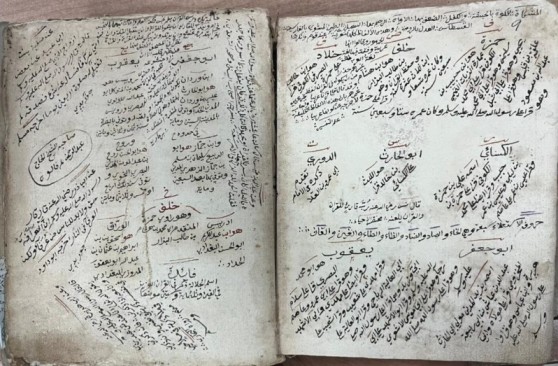
Digitization begins for an estimated 180-year-old manuscript by an Acehnese religious scholar. (The Indonesian Ministry of Religious Affairs)
Estimated to be around 180 years old, the manuscript contains not only the text of the Quran but also various notes documenting Islamic scholarly traditions, knowledge networks, and the socio-religious life of the community at that time.
Jakarta (Indonesia Window) – Fragile pages and slowly fading ink should not be allowed to erase knowledge preserved for nearly two centuries.
A Quranic manuscript belonging to the Acehnese scholar Teungku Chik Lampaloh (also known as Syekh Abdurrahman Lampaloh) is now being digitized so that this intellectual legacy of Islam of Indonesia remains accessible for study by future generations.
Estimated to be around 180 years old, the manuscript contains not only the text of the Quran but also various notes documenting Islamic scholarly traditions, knowledge networks, and the socio-religious life of the community at that time.
This preservation effort is part of research conducted by Nurrahmi, a doctoral student in Islamic Studies at the State Islamic University (UIN) Ar-Raniry Banda Aceh; the Indonesian Ministry of Religious Affairs reported on the initiative on its website on Friday (Aug. 28).
The research, titled ‘From Manuscript to Digital Heritage: Preserving Nusantara Islamic Knowledge through the Digitalization of the Teungku Chik Lampaloh Manuscript (The Descendants' Effort in Safeguarding an Ancestral Masterpiece)," was presented at the 10th International Library and Information Science Society Conference (I-LISS) 2026 at Universiti Teknologi MARA (UiTM) in Shah Alam, Selangor, Malaysia, from August 26 to 28, 2026.
The study was conducted in collaboration with Mujiburrahman, Syamsul Rijal, Zubaidah, and Fathin Zhafira Fauzi.
Nurrahmi stated that digitization is important because the physical condition of the manuscript has begun to deteriorate. Some pages have become fragile, while the writing in certain sections has begun to fade, making them increasingly difficult to read.
“Digitization is not merely about converting manuscripts into a digital format; it is also an effort to preserve the knowledge contained within them so that it can continue to be studied and passed on,” Nurrahmi said during her presentation.
According to her, the physical condition of the manuscripts is one of the primary challenges in their preservation. The use of iron-based ink—common in the past—poses a risk of long-term corrosive effects on the paper, for instance.
Therefore, digitization does more than just produce electronic copies. The availability of a digital version reduces the need to handle the original manuscripts directly, thereby minimizing the risk of damage.
In this way, the information stored in the manuscripts remains accessible, study-able, and transmissible without the need to repeatedly open or touch the original documents.
From fragile pages to digital heritage
The study used a qualitative descriptive approach comprising three main stages: pre-digitization, digitization, and post-digitization.
During the pre-digitization stage, researchers selected manuscripts, verified copyright and ownership, recorded bibliographic data, and prepared the necessary equipment.
The digitization stage involved image capture, image quality assessment, master file creation, metadata editing, and file conversion. Subsequently, the digitized results were packaged and documented during the post-digitization stage.
The research findings indicate that these stages help mitigate the risk of damage, including to the manuscripts' paratextual elements.
The process also yields high-quality digital surrogates, ensuring the long-term preservation of the information contained in the manuscripts.
Furthermore, the study proposes a framework that integrates preservation, metadata management, and knowledge dissemination.
This framework is considered applicable for libraries, archives, museums, and other cultural heritage institutions.
Tracing the footsteps of scholars from the manuscript margins
The Teungku Chik Lampaloh manuscript had previously been the subject of study by a research team from UIN Ar-Raniry and Al-Azhar University.
The study examined the manuscript's paratextual elements—such as marginal notes, colophons, annotations, and various other remarks.
These elements are significant as they provide insights into scholarly practices, the transmission of knowledge, networks of religious scholars, and the socio-religious conditions prevailing at the time the manuscript was written.
Thus, digitization does more than just preserve a historical artifact; it also safeguards the record of how Islamic knowledge was studied, recorded, and passed down in Aceh nearly two centuries ago.
At the I-LISS 2026 conference, Nurrahmi presented the condition and content of the manuscript via a video. The footage included explanations from Masykur, Director of the Pedir Museum Aceh, and Abdullah Maulani from DREAMSEA.
Masykur is involved in the documentation and public introduction of manuscripts through the Pedir Museum, while Abdullah Maulani offers a perspective based on his experience documenting manuscripts via DREAMSEA.
The presentation also showcased a prototype of a digital repository designed to house digitized manuscript pages.
Zubaidah, Secretary of the Doctoral Program in Islamic Studies at the UIN Ar-Raniry Graduate School, accompanied Nurrahmi at the conference.
The research presentation was well-received by I-LISS President Namtip Wipawin and drew the attention of conference participants.
Bringing research from Aceh to the global discourse
I-LISS 2026 was organized by the Faculty of Information Science at Universiti Teknologi MARA (UiTM) Selangor Branch (Puncak Perdana Campus), in collaboration with the UiTM Library Department and the International Library and Information Science Society.
The conference, themed "Thriving Through Transformation: Innovative, Digital, and AI-Driven Futures for Librarianship," brought together academics, researchers, librarians, educators, and library and information science professionals from various countries.
In addition to Nurrahmi, two other researchers from UIN Ar-Raniry—Nazaruddin and Mukhtaruddin—also presented at the forum.
Nazaruddin presented research titled "From HI to AI: Repositioning Libraries in the Evolution of Human and Artificial Intelligence."
The study examines the evolution of information retrieval systems, tracing the shift from an era reliant on Human Intelligence (HI) to the era of Artificial Intelligence (AI).
In his presentation, Nazaruddin compared the characteristics of libraries during the Dewey Decimal Classification (DDC) era with library developments in the AI era.
In the DDC era, information management and retrieval relied heavily on classification systems, manual numbering, physical card catalogs, on-shelf collection browsing, and face-to-face interaction between users and librarians.
In the AI era, libraries are evolving into more integrated information ecosystems through digital catalogs—such as the Online Public Access Catalog (OPAC)—global networks, AI-driven recommendations, semantic search, user data analysis, and the integration and digital annotation of catalogs.
According to Nazaruddin, the transformation toward AI did not happen overnight. Long before AI technology reached its current state of development, libraries had already established knowledge organization systems and information retrieval mechanisms that served as foundational elements for the evolution of intelligent information systems.
The research also highlights a gap in previous studies. Libraries are often viewed merely as adopters of AI technology, while their history and contributions as early architects of intelligent information retrieval systems have received insufficient attention.
Nazaruddin noted that participating in international conferences offers an opportunity to bring research findings and the Acehnese perspective into a broader academic arena.
"International conferences serve not only as a venue for presenting research findings but also as an opportunity to build networks, exchange ideas, and introduce local Acehnese perspectives into the global discourse on library and information science," he said.
The participation of UIN Ar-Raniry researchers in I-LISS 2026 underscores a vital theme: a knowledge legacy cannot simply be stored away. It must be preserved, studied, digitized, and brought into broader spaces of knowledge exchange to ensure it remains vibrant and continues to benefit future generations.
Reporting by Indonesia Window
Bagikan

Komentar
Berita Terkait
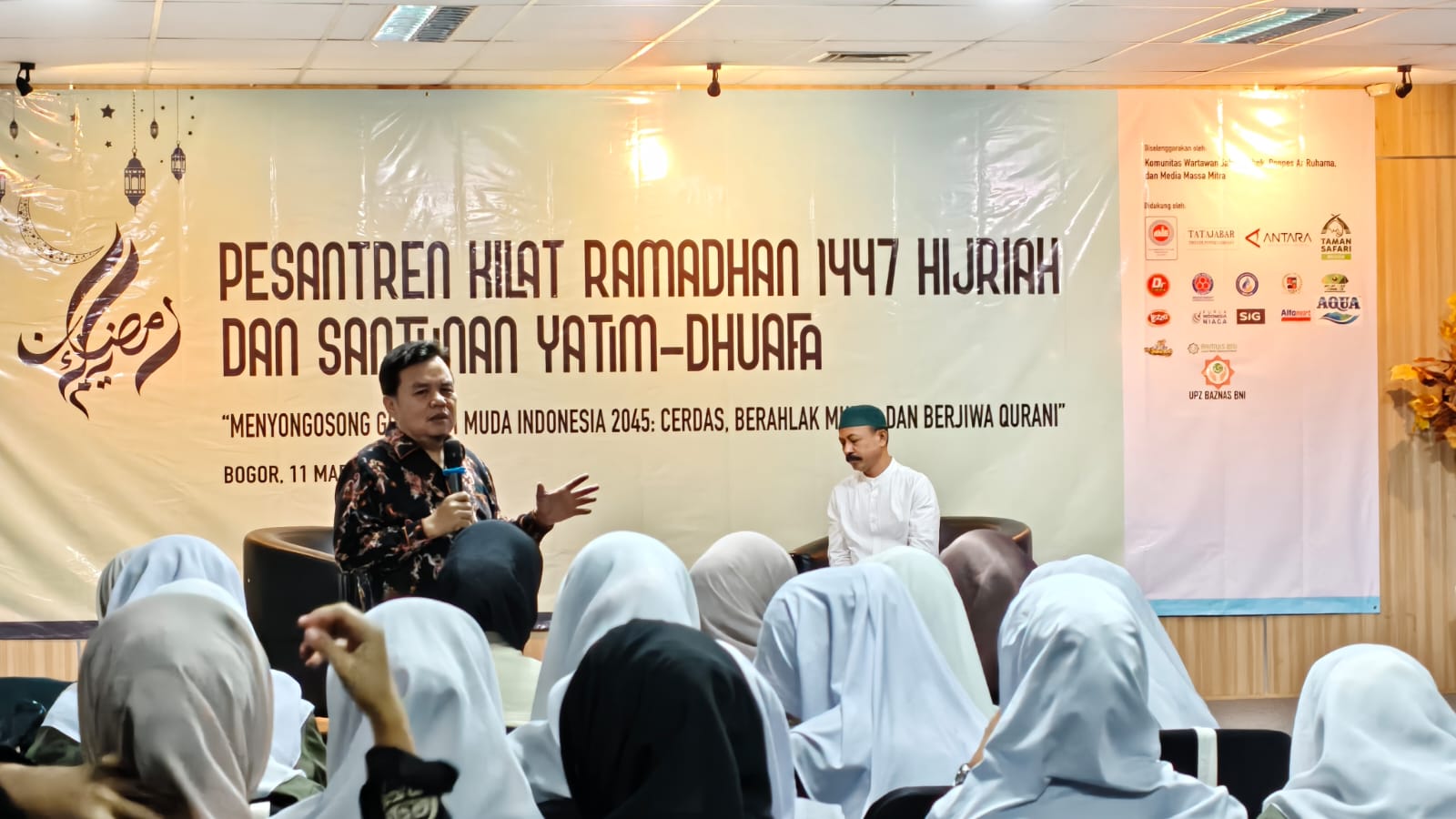
Ramadan 1447H – Bogor ’s speaker says Muslim students are Indonesia’s outstanding generation as they study the Quran
Indonesia
•
11 Mar 2026
Indonesia prioritizes comprehensive waste management strategy
Indonesia
•
13 Mar 2025
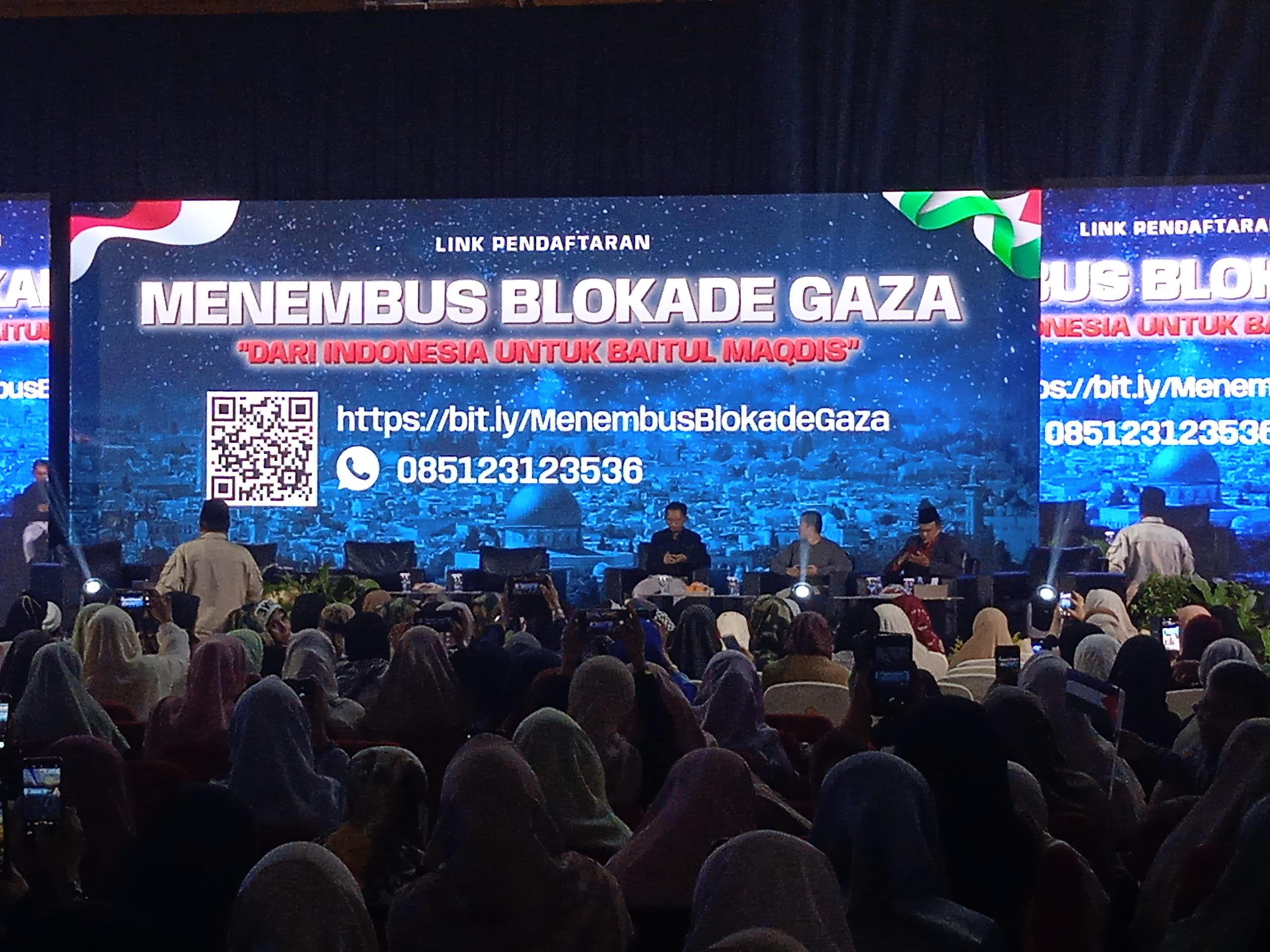
Religious and community leaders unite to support breaking Gaza blockade
Indonesia
•
30 Jun 2025
Indonesian zakat institution LAZSIP distributes 1.2 billion rupiahs to Palestine
Indonesia
•
13 May 2026


Berita Terbaru

Badr MoU: Indonesia’s move to expand cooperation in defense industry with Türkiye, Qatar, Pakistan
Indonesia
•
22 Oct 2026

Muhammad used as target of mockery by U.S. president, Indonesia’s Jama’ah Muslimin issues strong protest
Indonesia
•
20 Oct 2026
Islamic Study – Allah has guaranteed rizq; Why do we still worry?
Indonesia
•
18 Oct 2026

Indonesian crew member causes Ethiopian Airlines cargo plane to turn back from Addis Ababa
Indonesia
•
13 Oct 2026