News Focus – The White Spot hosts 'Bazaar Raya Collections': A Sustainable Business Approach for the Muslim Fashion Industry in Indonesia

18 November 2026
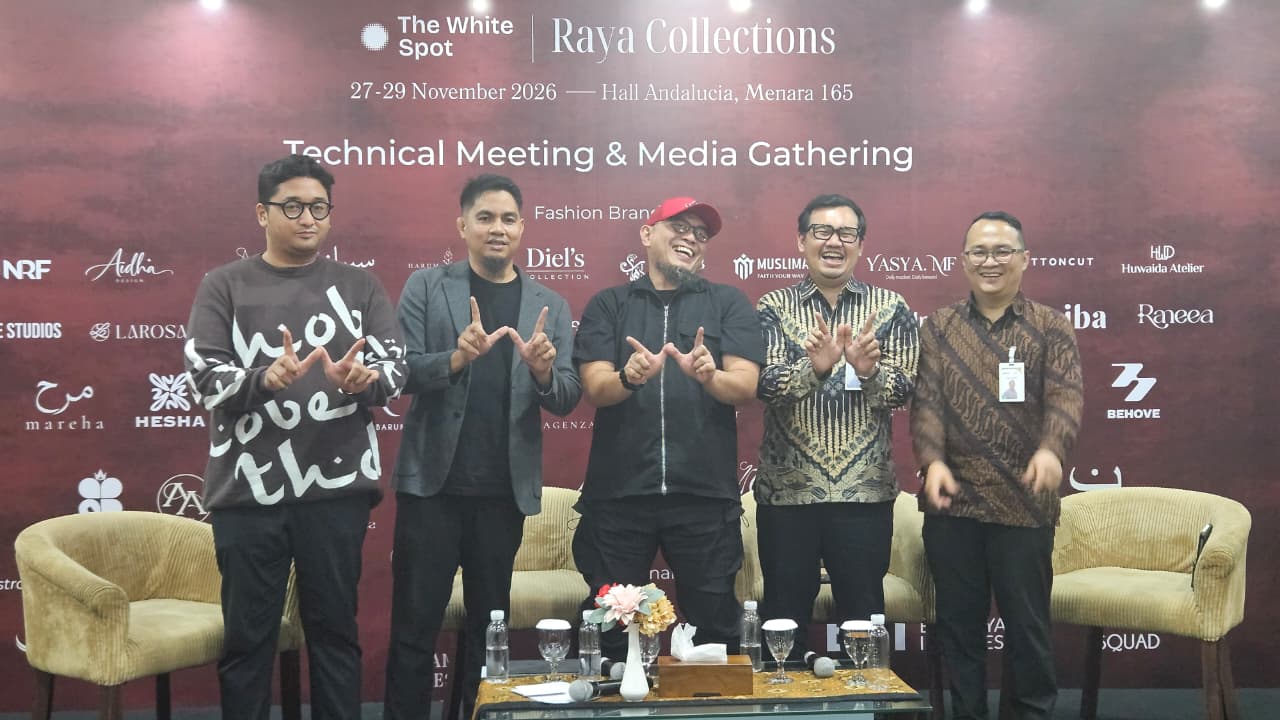
The White Spot founder Randa Pramana (second from left) and Muhammad Iqbal Syarif from the Retail Deposit Solution Group at the BSI Head Office (second from right) at a press conference ahead of the Bazaar Raya Collections in Jakarta, Wednesday (November 18, 2026). (Indonesia Window/Ronald Rangkayo)
Jakarta (Indonesia Window) – Ramadan and the Eid holidays are pivotal moments for businesses in the modest fashion sector. To ensure a brand remains memorable to shoppers long after the peak shopping season has passed, offering attractive products alone is not enough.
The White Spot—a platform for curated bazaars and brand collaborations—aims to connect various Muslim fashion brands with consumers, communities, personal shoppers, and business partners through its 'Bazaar Raya Collections' event.
The event will take place from November 27–29, 2026, at Hall Andalucia, Menara 165, South Jakarta. It is set to feature approximately 60 booths spanning categories such as syar’i fashion, modest fashion, lifestyle, beauty, and food and beverages.
Expanding markets through curation and collaboration, The White Spot was founded by Randa Pramana, who observed the consumer behavior of women who prefer syar’i (Islamic-compliant) attire in the Greater Jakarta area.
He identified an opportunity to strengthen ties between brands and personal shoppers, Key Opinion Leaders (KOLs), and communities—all of whom play a vital role in introducing products to potential buyers.
During a press conference in Indonesia’s capital Jakarta on Wednesday (Nov. 18), Randa explained that The White Spot’s curation process goes beyond mere popularity or social media follower counts; it evaluates a brand’s identity, product quality, and alignment with market needs.
He added that brands from different categories are also welcome to participate, provided they resonate with the profile of the event's attendees.
Randa noted that brands offering similar products do not necessarily have to view one another solely as competitors. They can also work together to introduce product categories and expand the market.
"We don’t just want to create competition between brands. In fact, brands with products in similar categories can collaborate to set trends and grow the market," he said.
One way to achieve this is by showcasing tenants' products through The White Spot’s communication channels ahead of the event.
This product-showcasing activity is intended to build awareness and generate interest early on, ensuring that brands do not rely solely on transactions made during the bazaar itself.
Digital transactions: Support for business owners is also being provided by Bank Syariah Indonesia (BSI).
Muhammad Iqbal Syarif from BSI’s Retail Deposit Solution Group at the head office explained that this support is part of an effort to encourage MSMEs—particularly in the modest fashion sector—to grow and reach a broader market.
For the Bazaar Raya Collections, BSI will facilitate tenant transactions via QRIS and assist with the provision of Soundbox devices.
BSI also offers opportunities for banking and financing support tailored to the specific needs and growth stage of each tenant’s business. "
"Through our support for The White Spot, we hope that MSMEs, especially those in the modest fashion sector, will have the opportunity to develop and level up," said Iqbal.
While payment and financial service support can assist with tenants' operational needs, expanding into new markets also requires high product quality, effective business management, and consistent communication
The Indonesian modest fashion market is driven by more than just fleeting fashion trends.
Within this space, brands compete to offer design, quality, and comfort, while simultaneously seeking ways to gain recognition and consumer trust.
Regarding the challenges, Bank Indonesia recorded that the export value of Indonesian modest fashion commodities reached 632.76 million US dollars from January to July 2024—an increase of 3.38 percent compared to the same period the previous year.
1 US dollar = 18,241 Indonesian rupiah.
While this figure highlights one aspect of industry activity, it does not necessarily reflect the performance of every individual brand or the domestic market as a whole. For many business owners, the challenge lies in maintaining relationships with consumers outside of peak shopping seasons.
While Ramadan and the Eid holidays often draw significant attention to apparel and celebratory goods, a brand’s long-term sustainability depends on its ability to retain consumer trust once these peak periods have passed.
The "Bazaar Raya Collections" event features approximately 60 booths, occupied by 46 fashion brands and 10 food and beverage brands, alongside others in the lifestyle and beauty sectors.
As for knowledge sharing, The White Spot identifies connection and knowledge as the two pillars upon which its platform is built.
The connection pillar focuses on fostering relationships among brands, consumers, personal shoppers, key opinion leaders (KOLs), and various communities.
The knowledge pillar is designed as a space for sharing insights on business literacy, management, and development.
During the bazaar, visitors can participate in several programs, including The White Reflections—themed ‘Muslimah Ready to Make an Impact’—as well as The White Reminders (study sessions) and The White Talks with KOL, titled ‘Her Perspective’.
There are also workshops such as ‘Journaling Embroidery’ with Bertina Ambar, and a session on the brand-building journey led by Desi Bellaluna, founder of Bellaluna.
Growth Beyond the Bazaar: For Randa, a bazaar should ideally be part of a broader, long-term business strategy. Brands can leverage such events to introduce products, gather direct consumer feedback, and build relationships that endure long after the stalls are packed away.
“Brands don’t just need a place to sell; they need a space to grow," says Randa.
The White Spot plans to host recurring programs with themes tailored to market demands—such as Ramadan, Eid-themed collections, and other seasonal offerings.
The hope is that collaborations would extend well beyond the event itself, allowing brands to continue cultivating their image and maintaining consumer trust. Ultimately, sales figures during a bazaar are only one metric of an event’s impact.
Whether consumers recognize the brand, recall their shopping experience, and seek out the products again once the promotional buzz has faded—that is the long-term work that every business owner must continue to pursue.
Reporting by Indonesia Window
Bagikan

Komentar
Berita Terkait

Indonesia’s Semeru volcano in E Java has long history of eruption
Indonesia
•
07 Dec 2021

Indonesia's G20 presidency has potential to add 533 mln USD to GDP
Indonesia
•
12 Nov 2021

Indonesians share same right in buying masks with Taiwanese
Indonesia
•
26 Feb 2020

Indonesian domestic worker returns home from Saudi Arabia with full wages plus bonus
Indonesia
•
08 Aug 2021

Berita Terbaru

News Focus – Why does Javan rhino need second habitat? Indonesian researchers explain
Indonesia
•
19 Nov 2026

Feature – Indonesian experts proudly involved in Taiwan’s semiconductor industry
Indonesia
•
19 Nov 2026

At ASEAN-US Summit, Trump praises Indonesia’s leadership and cooperation
Indonesia
•
18 Nov 2026
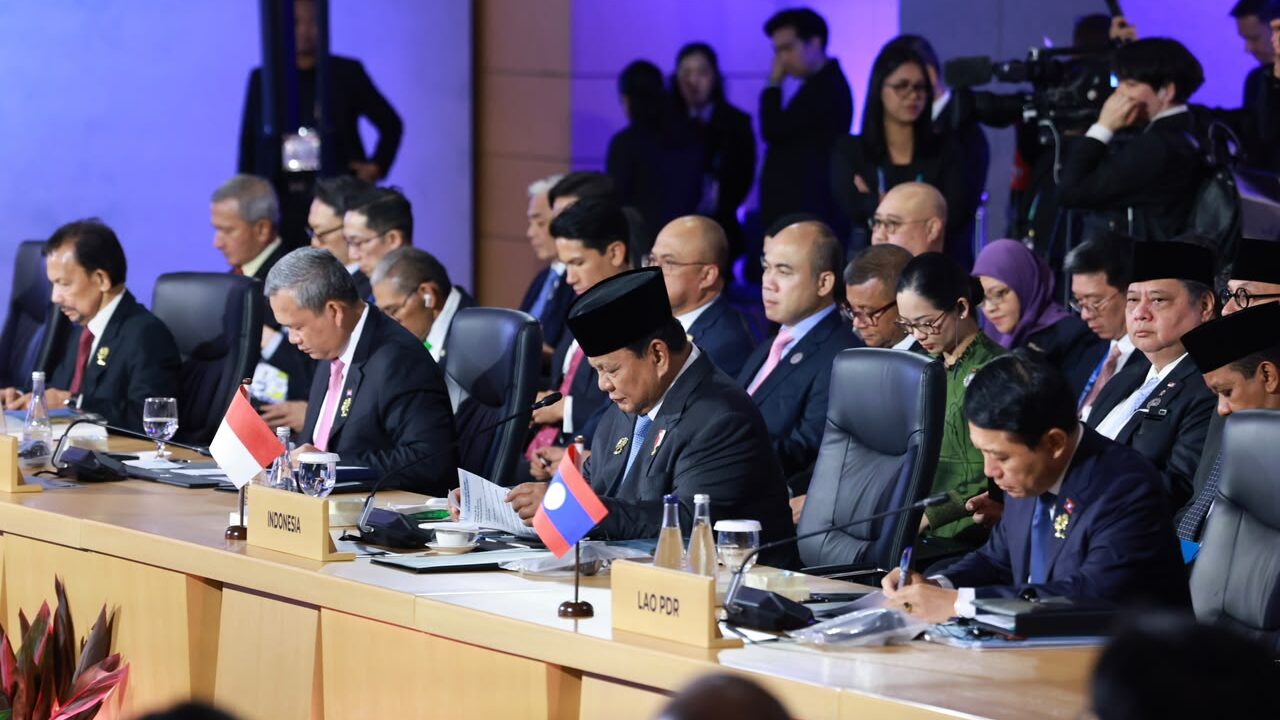
At ASEAN–Japan Summit, Indonesian president calls for concrete action to implement strategic partnership
Indonesia
•
17 Nov 2026