At ASEAN–Japan Summit, Indonesian president calls for concrete action to implement strategic partnership

17 November 2026
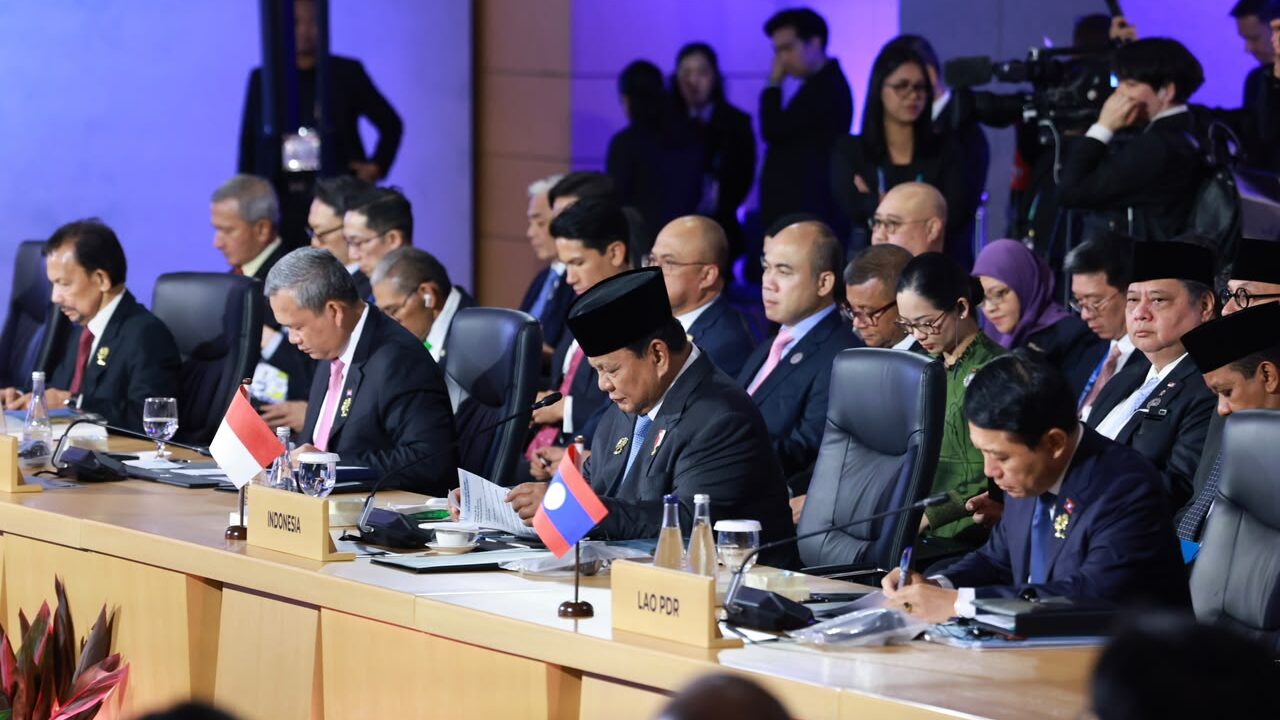
Indonesian President Prabowo Subianto (wearing a cap) delivered his remarks at the 29th ASEAN-Japan Summit, held at the Philippine International Convention Center (PICC) in Manila, the Philippines, on Tuesday, November 17, 2026. (Photo: BPMI Setpres/Presidential Media Team)
At the ASEAN–Japan Summit, Indonesian President Prabowo emphasized the importance of expanding maritime cooperation, particularly in strengthening capacity, connectivity, and situational awareness within the maritime areas.
Jakarta (Indonesia Window) – Indonesian Prabowo Subianto has underscored the importance of strengthening the ASEAN–Japan partnership to maintain peace and security, as well as to enhance the region’s economic and energy resilience.
President Prabowo made the remark at the 29th ASEAN–Japan Summit held at the Philippine International Convention Center (PICC) in Manila, the Philippines, on Tuesday (Nov. 17).
The president noted that Japan has consistently demonstrated its role as a reliable development partner for ASEAN, contributing to the region’s peace, security, and prosperity.
“Japan has shown what it means to be a reliable development partner for ASEAN—a trusted partner in maintaining peace and security, and in fostering prosperity,” he stated.
The Head of State also welcomed efforts to align the ASEAN Outlook on the Indo-Pacific with Japan’s vision for a Free and Open Indo-Pacific.
According to the president, both frameworks can serve as a vital foundation for upholding peace, stability, prosperity, and inclusivity in the region.
He further emphasized the necessity of expanding maritime cooperation, specifically by strengthening capacity, connectivity, and situational awareness in maritime areas.
In addition, he highlighted economic resilience as a key factor in navigating global changes and uncertainties.
“We must open up more paths for cooperation to bolster capacity building, connectivity, and awareness in the maritime sector. As we face the waves of change around us, strengthening economic resilience is the key,” he said.
In the economic sector, the president pushes for the optimization of various cooperation frameworks, such as the ASEAN-Japan Economic Partnership, the Regional Comprehensive Economic Partnership (RCEP), and ASEAN Plus Three.
These collaborations are expected to strengthen supply chains while enhancing the participation of small and medium-sized enterprises.
The president also highlighted the importance of digital transformation and the advancement of artificial intelligence.
He noted that while digital technology has created broader opportunities for society, the deployment of artificial intelligence must ensure safety and effective human oversight.
Regarding energy, President Prabowo outlined several measures Indonesia is taking to bolster national resilience—ranging from food self-sufficiency and energy independence to water management.
Indonesia has also introduced a 50 percent biodiesel blend, initiated large-scale bioethanol development, and launched a program to build 100 gigawatts of solar power capacity.
“We are prepared to build upon these national efforts to strengthen regional resilience, and we look forward to close cooperation with Japan in the fields of science, technology, and education,” he stated.
The president noted that Japan’s commitment to diversifying energy sources and accelerating the development of renewable energy presents significant opportunities for concrete collaboration.
Furthermore, the president indicated that Indonesia is open to strengthening cooperation with Japan in the areas of minerals and rare earth elements.
“As close friends, let us ensure that our actions turn dreams into reality for future generations,” he said.
The message underscores the trajectory of the ASEAN–Japan partnership, which is envisioned not only to bolster regional stability but also to deliver concrete progress, collective resilience, and sustainable prosperity for future generations.
Reporting by Indonesia Window
Bagikan

Komentar
Berita Terkait
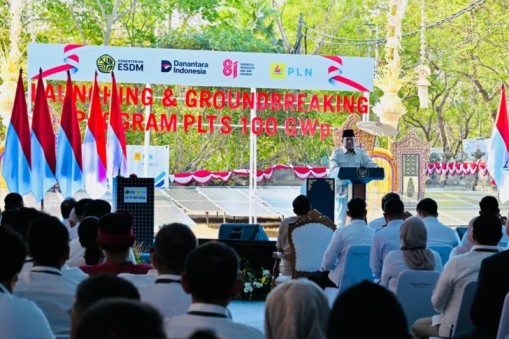
Indonesia launches 100 GWp solar power program, targets completion within three years
Indonesia
•
26 Aug 2026

Indonesia promotes multilateralism, global governance at G20 ministerial meeting
Indonesia
•
01 Jul 2021

Indonesian FM: Southeast Asia must remain free from nuclear weapons
Indonesia
•
11 Jul 2023

Indonesia-UAE partnership built on empowerment, not aid, UAE ambassador says
Indonesia
•
11 Jun 2026


Berita Terbaru
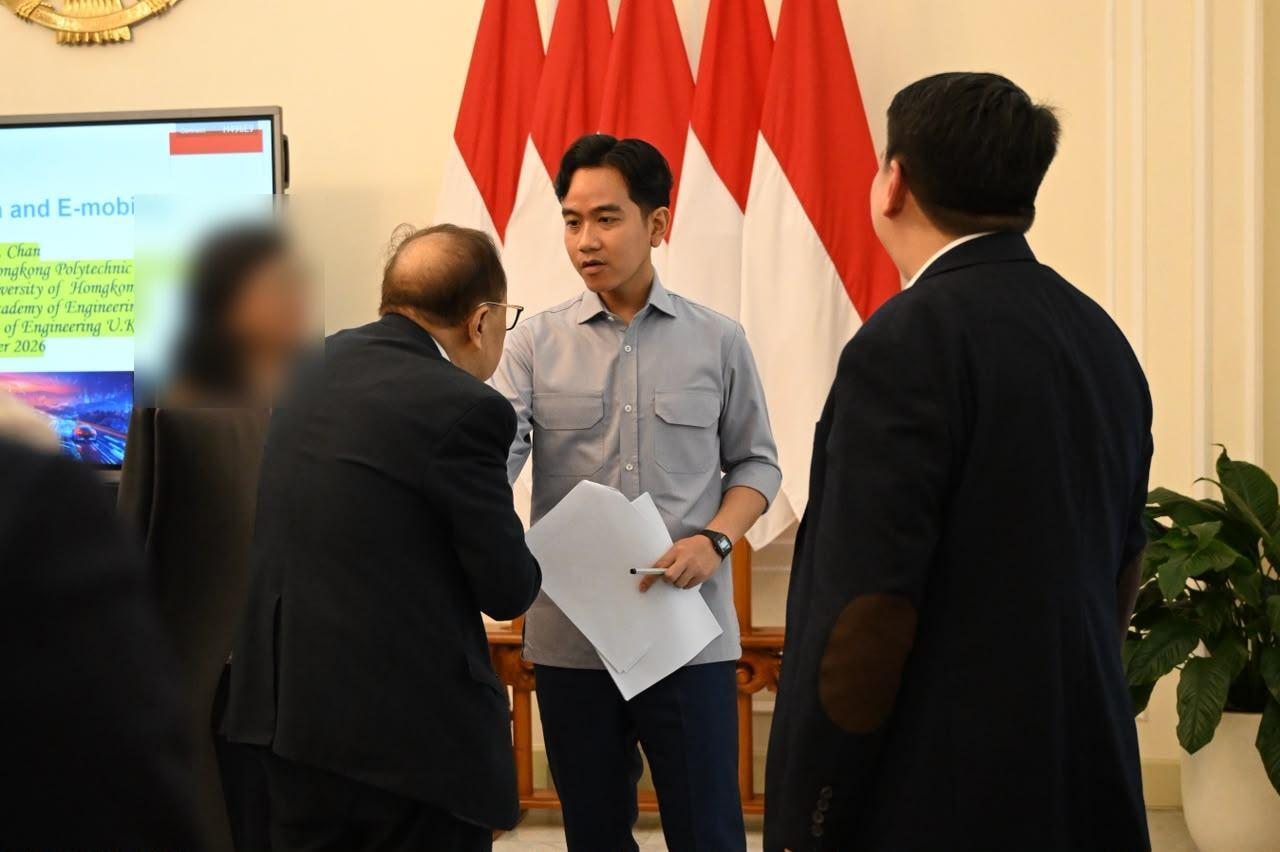
Indonesian vice president Gibran submits resignation letter to People’s Consultative Assembly
Indonesia
•
12 Nov 2026
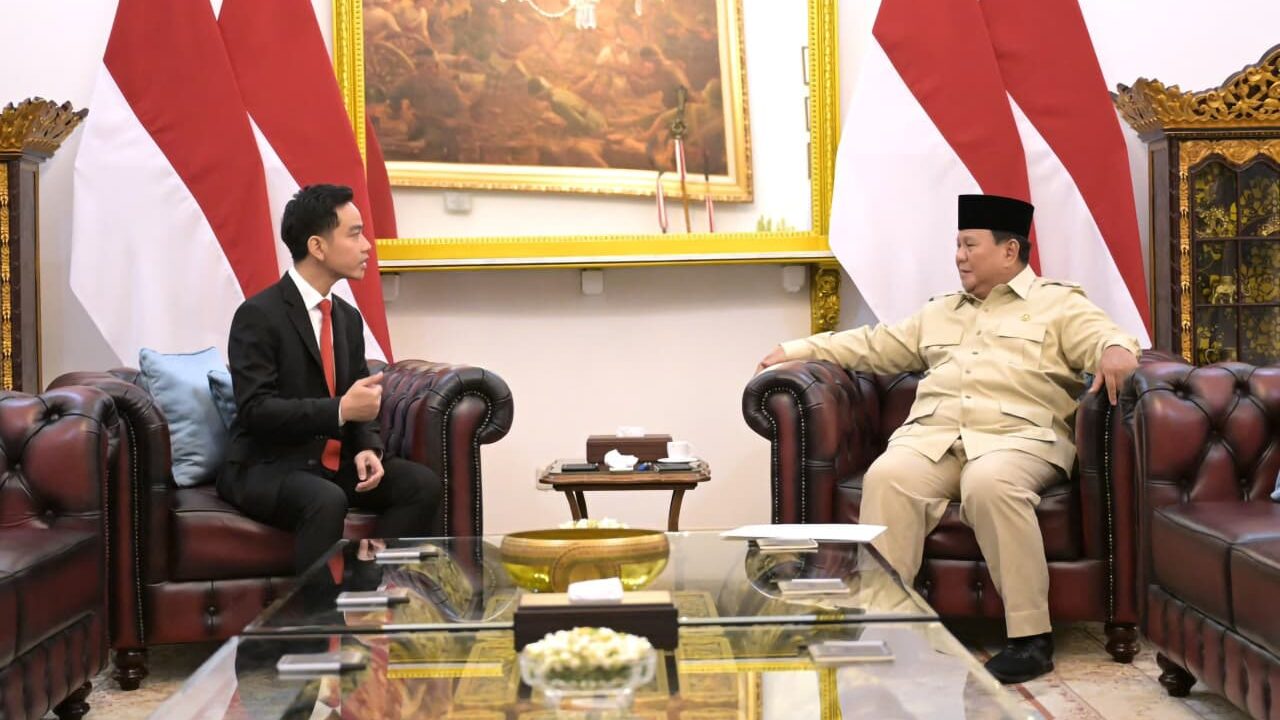
President Prabowo respects Gibran’s decision to resign as vice president, praises his services
Indonesia
•
12 Nov 2026

Indonesia outlines strengthened worker protection regulations at Asia-Pacific forum
Indonesia
•
26 Oct 2026
Opini – Foreign Minister Tata and the Future of Multilateralism: Indonesia and the UN in a Changing World Order
Indonesia
•
24 Oct 2026