Interview - Advancing Water Resilience and Energy Transition Through Global Partnership

12 June 2026
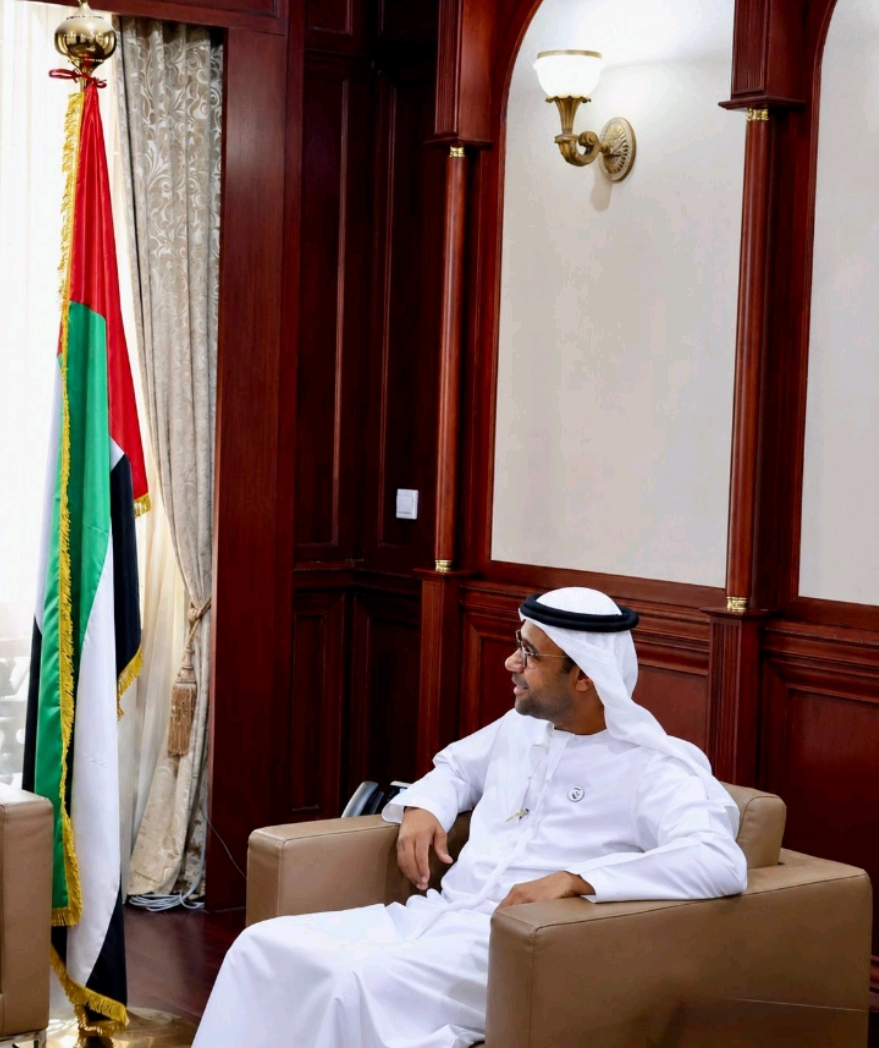
Exclusive Interview with Indonesia Window
Ambassador UAE to Indonesia Abdulla Salem AlDhaheri
How does the UAE define and approach humanitarian diplomacy within its foreign policy?
For the United Arab Emirates, humanitarian diplomacy is not merely an instrument of foreign policy; it is a moral pillar rooted in our founding father’s vision, the late Sheikh Zayed bin Sultan Al Nahyan. Since the founding of the UAE, humanitarianism, solidarity, and support for vulnerable communities have been core principles guiding the UAE’s engagement with the international community.
Today, under the directives of UAE President His Highness Mohamed bin Zayed Al Nahyan, the UAE continues to pursue a proactive and collaborative approach to humanitarian diplomacy - one that combines rapid crisis response with sustained efforts to support recovery, resilience, and long-term stability. This approach reflects the UAE’s belief that protecting human dignity and alleviating suffering are shared global responsibilities that transcends borders, and ethnicities.
Since the beginning of its global humanitarian approach, the UAE has spared no efforts in supporting those in need worldwide, by providing over AED 375 billion in international aid that has reached more than one billion individuals across all continents. These endeavors have solidified the UAE’s position as one of the world’s largest and most influential donors in relief and sustainable development fields.
A recent example is the UAE’s pledge of USD 550 million to support the United Nations’ Global Humanitarian Overview, reinforcing international efforts to deliver urgent assistance to millions of people affected by crises worldwide. This commitment underscores the UAE’s strong partnership with the United Nations humanitarian system and its support for multilateral action to ensure that aid reaches those most in need in a timely and effective manner.
More broadly, the UAE’s humanitarian engagement reflects a foreign policy grounded in dialogue, cooperation, and bridge-building. By working closely with international organizations and partners on the ground, the UAE seeks not only to respond to emergencies but also to contribute to a more stable, resilient, and prosperous global community.
The UAE also views humanitarian diplomacy through the lens of resilience and sustainable development. This includes supporting communities to withstand climate impacts, advancing access to clean energy, strengthening water resilience, and promoting practical partnerships that help countries move from emergency response to long-term preparedness.
Building on the UAE Consensus adopted at COP28, and in line with the UAE’s role as co-host of the 2026 UN Water Conference with Senegal, the UAE continues to advocate for action-oriented cooperation that links humanitarian response with climate adaptation, water, energy, and sustainable development outcomes.
What values or principles serve as the main foundation for building effective partnerships?
Our cooperation with Indonesia has been guided by three core principles: mutual respect, shared vision, and long-term commitment to sustainable development. These values reflect the broader humanitarian approach that has shaped the UAE’s international partnerships since the UAE’s founding.
As we celebrate 50 years of diplomatic relations between the UAE and Indonesia in 2026, this golden jubilee offers an opportunity to reflect on a partnership that has flourished because it is grounded in the principle of empowerment rather than mere assistance. Whether through disaster response initiatives in Sumatra or support for healthcare services in Solo, our cooperation has consistently prioritized transparency, partnership, and the protection of human dignity.
In this spirit, the UAE does not simply provide aid; rather, we work alongside our partners to build sustainable ecosystems that strengthen communities and foster long-term resilience - reflecting the close bonds of friendship and strategic cooperation that unite our two nations.
These same principles also guide cooperation in priority sustainability areas, including water resilience, clean energy, climate action, food security, and nature-based solutions. Effective partnerships are those that combine national ownership with technical expertise, financing, innovation, and measurable impact.
How important is the role of trusted local partners in ensuring aid reaches communities effectively?
Trusted local partners play a critical role in ensuring that humanitarian assistance reaches communities effectively. They represent the vital 'last mile' of humanitarian efforts, bringing invaluable local knowledge, cultural understanding, and operational expertise that help ensure aid is delivered in a timely, appropriate, and impactful manner.
Our collaboration with organizations such as the Muhammadiyah Medical Center and LAZISMU during the flash floods in North Sumatra is a strong example of this approach in practice. These respected institutions possess deep roots within their communities and the on-the-ground capabilities necessary to ensure that humanitarian support reaches those most in need and is utilized effectively.
By working through trusted local partners, we help ensure that assistance is delivered with sensitivity and efficiency, while empowering communities themselves to lead the path toward recovery and resilience.
In sectors such as water, energy, food systems, and climate adaptation, trusted local partners are essential for translating high-level commitments into practical delivery. They help identify real community needs, ensure solutions are locally appropriate, and support long-term maintenance and ownership beyond the initial assistance phase.
How do you view the potential for further development in healthcare and long-term sustainability?
The potential for further development in healthcare and long-term sustainability is highly promising. The inauguration of the Emirates-Indonesia Cardiology Hospital in Solo is a powerful testament to what can be achieved through meaningful partnership and a shared commitment to improving people’s well-being.
Looking ahead, our cooperation extends beyond infrastructure toward deeper knowledge exchange and long-term capacity building. This includes advancing digital health integration, promoting joint medical research, and supporting training programs for healthcare professionals. Our goal is to ensure that Indonesia’s healthcare system continues to benefit from global best practices while remaining resilient, sustainable and accessible for future generations.
Long-term sustainability also requires healthcare infrastructure that is climate-resilient, resource-efficient, and supported by reliable energy and water systems. This includes improving energy efficiency in health facilities, using digital tools to enhance service delivery, and integrating water and sanitation considerations into healthcare planning.
From the UAE’s perspective, health, water, energy, and sustainability are interconnected. Strengthening one sector can reinforce the resilience of the others, particularly in communities exposed to climate-related pressures or natural disasters.
How do diplomacy and public dialogue contribute to fostering mutual understanding?
Diplomacy today extends beyond traditional state-to-state engagement. It increasingly encompasses public dialogue, cultural exchange, and people-to-people connections, all of which play a vital role in strengthening mutual understanding between nations.
Open and constructive dialogue helps prevent misperceptions, build trust and create opportunities for cooperation. It enables countries to align expectations, coordinate responses to shared challenges, and learn from each other’s experiences.
Equally important is transparent communication with the public. When citizens understand the objectives and benefits of international cooperation, it fosters greater confidence and support for constructive engagement.
For these reasons, diplomacy - supported by open dialogue - is not merely about negotiation. It is fundamentally about building bridges of understanding and partnership in an increasingly interconnected world.
Public dialogue is also important for sustainability diplomacy. Issues such as climate change, water resilience, renewable energy, and sustainable development require public trust, awareness, and broad participation. Diplomacy can help translate technical priorities into shared understanding and collective action.
What message would you convey regarding international solidarity?
I would especially like to convey a message to the younger generation of Indonesia: international solidarity is not an abstract concept, but rather a practical necessity in today’s interconnected world. Global challenges - whether pandemics, climate change, or humanitarian emergencies - cannot be tackled by one nation alone.
As future leaders, young people have a vital role to play in embracing cooperation, respecting diversity, and championing unity across borders. They can be the architects of a borderless future. In doing so, they will help shape a more resilient and inclusive global community.
By carrying forward these values, the next generation will continue to strengthen the spirit of partnership and mutual respect that has long defined the relationship between the United Arab Emirates and Indonesia.
If you had to introduce one unique aspect of UAE’s culture as a 'bridge,' what would you choose?
I would choose Gahwa, or Arabic coffee. In the UAE, serving Gahwa is a timeless symbol of hospitality, generosity, and friendship. It is often the first gesture offered to a guest, inviting people to sit together, talk, and share a moment of connection.
In many ways, it reflects values that resonate strongly with Indonesia culture – whether through the tradition of Gotong Royong or the warmth of welcoming visitors into one’s home. Gahwa is more than a drink; it is a simple yet meaningful tradition that brings people together. In that sense, it makes a perfect cultural “bridge” - a reminder that, despite different geographies and traditions, the heart of our cultures is remarkably similar: welcoming others with openness, warmth, and genuine hospitality.
End
Bagikan

Komentar
Berita Terkait
Steve Forbes: Prabowo's leadership inspiring, Indonesia to be global power
Indonesia
•
24 Jul 2025
Indonesia exports one NC212i aircraft to Thai Agriculture Department
Indonesia
•
02 Aug 2022
Former Indonesian ambassador to UAE gives books to @M Institute library
Indonesia
•
18 Jan 2024
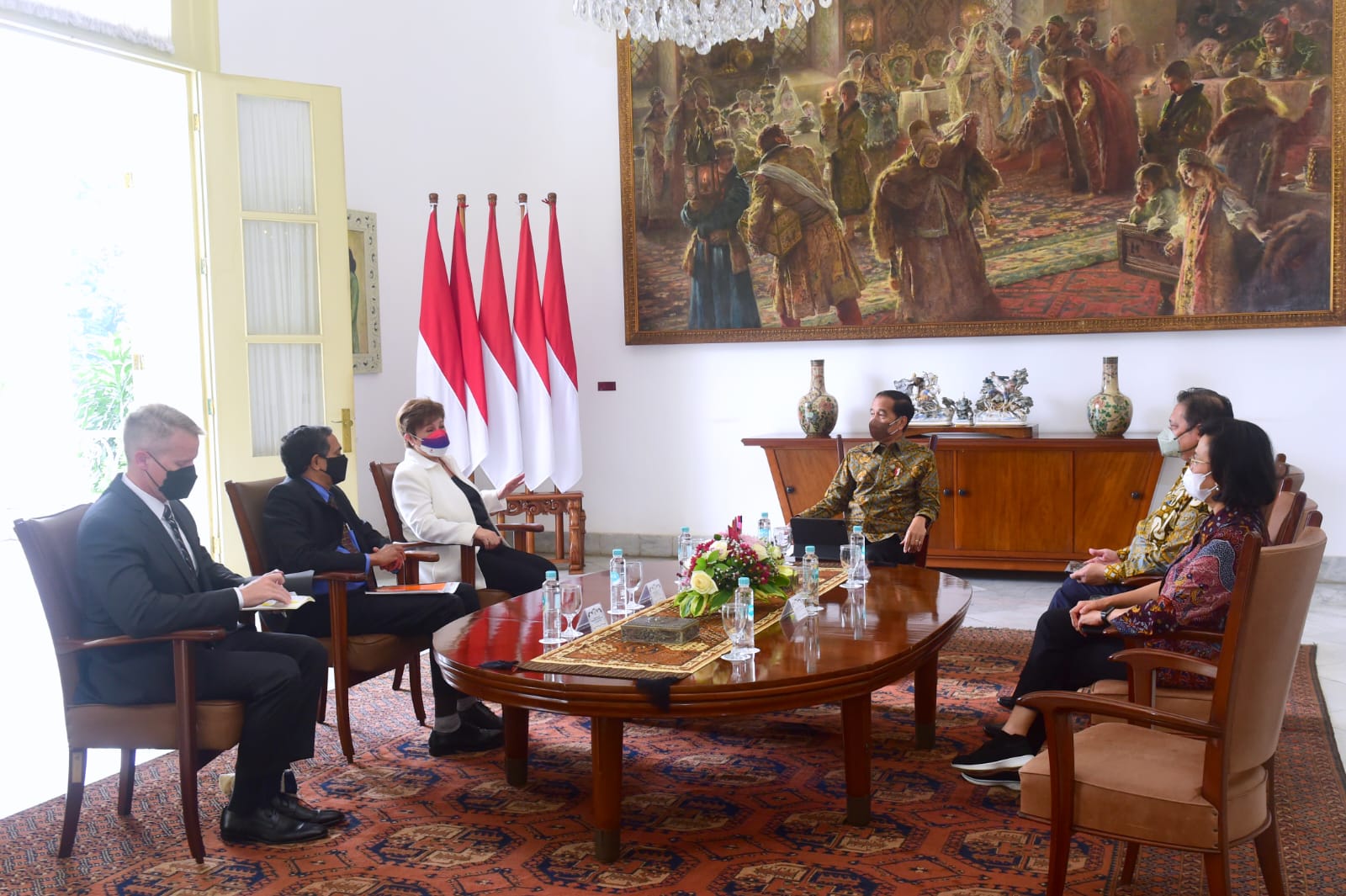
IMF appreciates meeting of G20 finance ministers, central bank governors in Bali
Indonesia
•
18 Jul 2022

Berita Terbaru
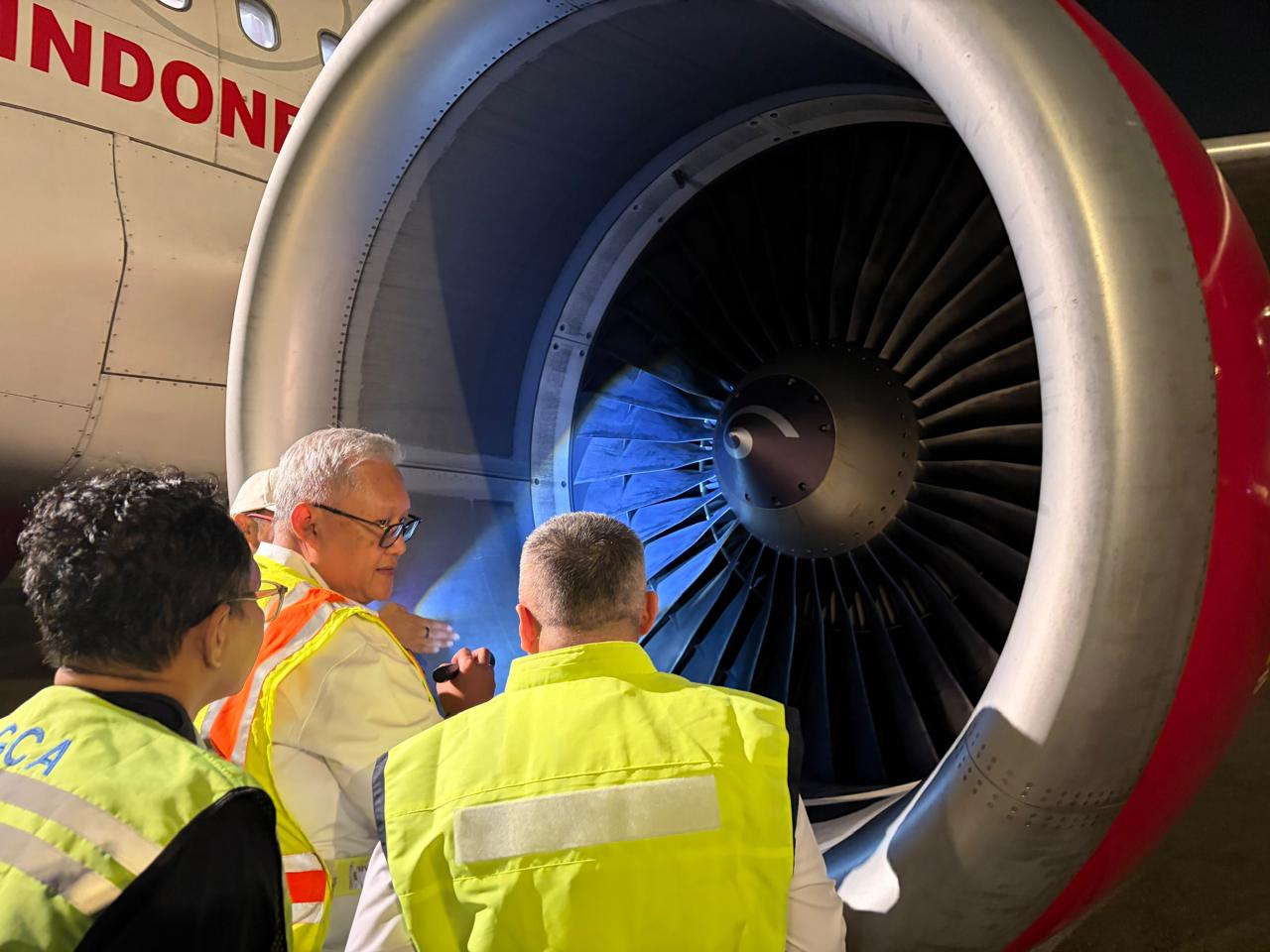
Minister: Airports affected by Mount Anak Krakatau volcanic ash reopen
Indonesia
•
08 Sep 2026
TETO: Sudut Pandang is one of important mass media in Indonesia
Indonesia
•
06 Sep 2026
Feature – Preserving 180-year-old legacy: UIN Ar-Raniry digitizes Quranic manuscript of Acehnese scholar
Indonesia
•
29 Aug 2026
Opinion – Prophet Muhammad ﷺ and journey toward literacy, ecological awareness
Indonesia
•
27 Aug 2026