Indonesian researcher showcases global sharia creative economy vision at IFESDC 2026

27 July 2026
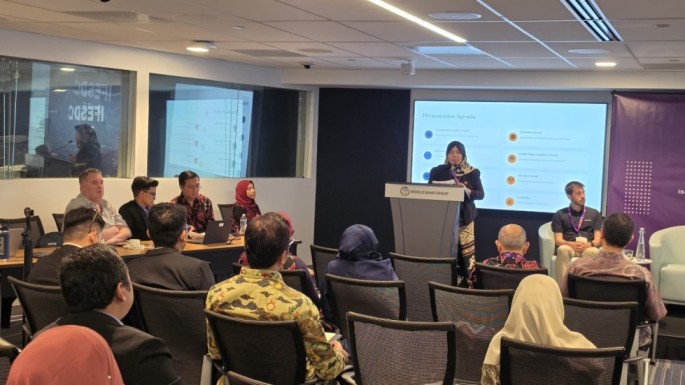
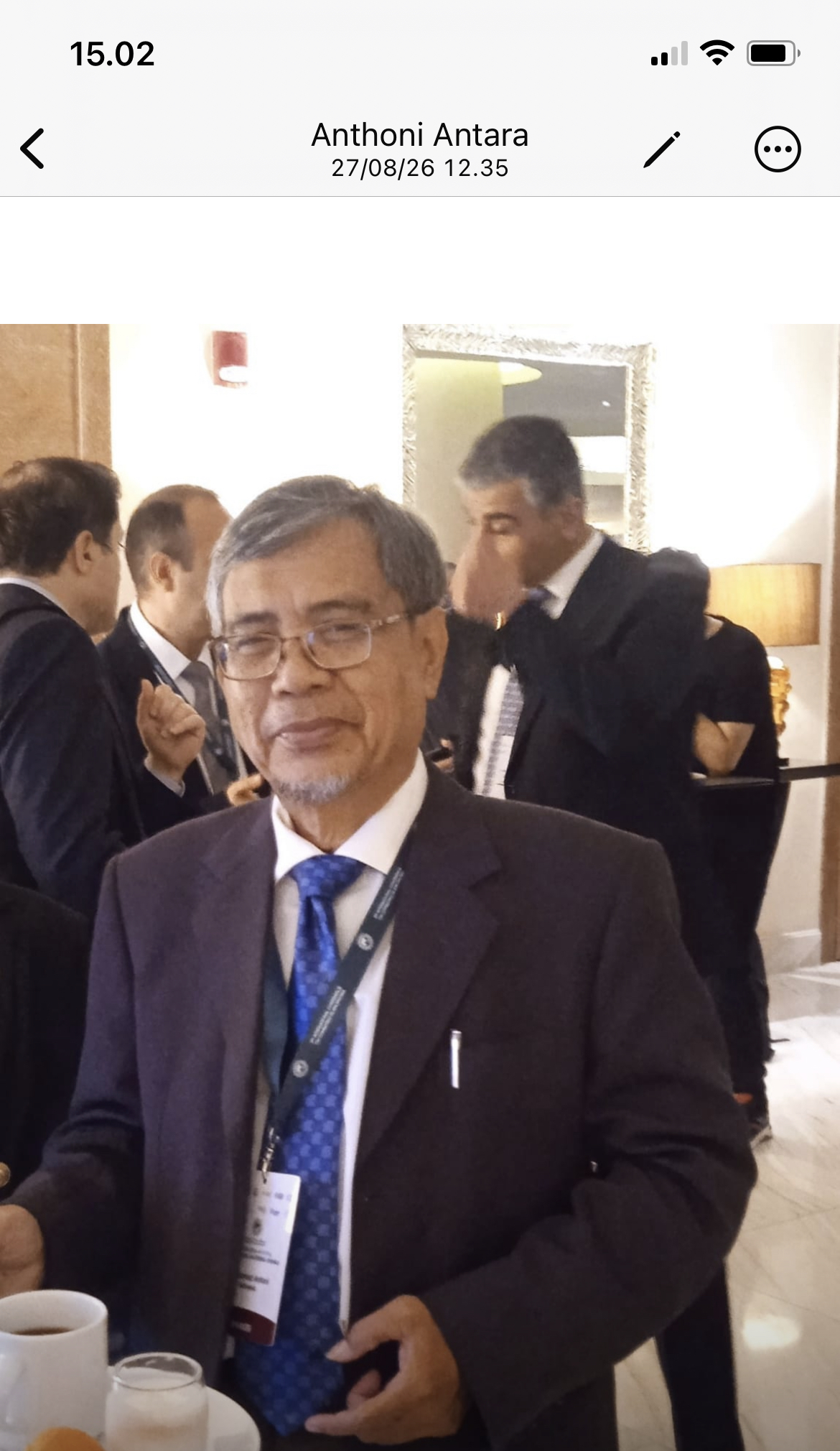
Indonesian researcher and creative economy advocate Edrida Pulungan represented Indonesia as a featured conference presenter at the International Islamic Economics and Finance Conference for Sustainable Development (IFESDC) 2026, at the World Bank Headquarters in Washington, D.C. (Photo: Special)
Indonesia possesses the world's largest halal consumer market, creating significant opportunities to integrate creative industries with Islamic economic principles.
Jakarta (Indonesia Window) – Indonesian researcher and creative economy advocate Edrida Pulungan represented Indonesia as a featured conference presenter at the International Islamic Economics and Finance Conference for Sustainable Development (IFESDC) 2026, at the World Bank Headquarters in Washington, D.C., on July 15–16.
The international conference brought together global policymakers, academics, financial experts, and industry leaders to discuss innovative pathways toward sustainable and inclusive economic development through Islamic economics and finance.
During the conference, Edrida delivered a presentation entitled ‘Global Creative Ecosystem’, sharing a strategic framework for developing a ‘Global Sharia Creative Economy Ecosystem’ that connects governments, academia, industry, creative entrepreneurs, and international financial institutions.
Her presentation emphasized the enormous opportunities for strategic collaboration between Indonesia and the United States in strengthening the global halal (lawful under Islamic law) and creative economy while advancing sustainable development goals.
The panel session featured distinguished presenters from the United States, Türkiye, Pakistan, and Indonesia, highlighting diverse international perspectives on digital transformation, ethical finance, innovation, and inclusive economic development.
A major highlight of the conference was Edrida Pulungan receiving the Best Paper Award, recognizing the originality, policy relevance, and international impact of her research.
Her award-winning paper proposes an integrated model for establishing a global sharia creative economy ecosystem capable of accelerating innovation, empowering MSMEs, promoting halal industries, and strengthening cross-border economic cooperation.
In her closing remarks, Edrida delivered an inspiring message that received warm applause from participants at the World Bank Headquarters.
"We can move forward through togetherness." Edrida said.
The statement reflected the central spirit of collaboration promoted throughout the conference and resonated strongly with delegates from various countries.
Beyond the conference, Edrida also conducted a series of courtesy calls and silaturahim (ukhuwah/brotherhood) meetings with Indonesian diplomatic representatives in Washington, D.C.
She met with Indonesian Ambassador to the United States Indro Soesilo, Indonesian Permanent Representative to the United Nations Ambassador Umar Hadi, and Consul General of the Republic of Indonesia Winanto Adi.
During these meetings, Edrida shared the vision and outcomes of her presentation, emphasizing Indonesia's strategic role in becoming a global hub for the sharia creative economy.
The discussions received highly positive responses, with Indonesian diplomats expressing appreciation for initiatives that enhance Indonesia's international visibility while opening opportunities for stronger cooperation in investment, research, innovation, education, and creative industries.
Global Creative Economy: A Strategic Opportunity
The global creative economy has become one of the fastest-growing sectors worldwide.
According to UNESCO and UNCTAD, the creative economy generates approximately 2.3 trillion US dollars annually, contributes around three percent of global GDP, and supports nearly 50 million jobs worldwide, with young people accounting for a significant proportion of creative employment.
Indonesia has emerged as one of the world's leading creative economy nations. The sector contributes approximately 7–8 percent of Indonesia's GDP, employs more than 24 million people, and continues to expand through digital innovation, fashion, culinary arts, crafts, film, animation, gaming, music, and other creative industries.
The country also possesses the world's largest halal consumer market, creating significant opportunities to integrate creative industries with Islamic economic principles.
The United States remains the world's largest creative economy, leading global innovation in digital content, entertainment, technology, venture capital, design, intellectual property commercialization, and creative entrepreneurship.
Stronger Indonesia–U.S. collaboration could accelerate technology transfer, startup development, halal creative industries, research partnerships, investment, and international market access.
Edrida's proposed Global Sharia Creative Economy Ecosystem seeks to bridge these complementary strengths by encouraging collaboration among governments, universities, financial institutions, creative communities, international organizations, and private sector stakeholders to build an inclusive, ethical, and sustainable global economic future.
The participation of Indonesian scholars at IFESDC 2026 further demonstrates Indonesia's growing leadership in advancing innovative ideas that integrate sustainable development, Islamic finance, and the creative economy within the global policy.
Reporting by Indonesia Window
Bagikan

Komentar
Berita Terkait
UAE ambassador says his country reaches 1 bln people through global aid efforts
Indonesia
•
11 Jun 2026

54 experts discuss South China Sea dispute management
Indonesia
•
11 Sep 2019

COVID-19 – Indonesia to produce three variants of therapeutic drugs
Indonesia
•
08 Jul 2021
President: Inclusivity becomes Indonesia's top priority at G20
Indonesia
•
23 Sep 2021

Berita Terbaru

Minister: Airports affected by Mount Anak Krakatau volcanic ash reopen
Indonesia
•
08 Sep 2026

TETO: Sudut Pandang is one of important mass media in Indonesia
Indonesia
•
06 Sep 2026
Feature – Preserving 180-year-old legacy: UIN Ar-Raniry digitizes Quranic manuscript of Acehnese scholar
Indonesia
•
29 Aug 2026
Opinion – Prophet Muhammad ﷺ and journey toward literacy, ecological awareness
Indonesia
•
27 Aug 2026