From Bandung to UN: Algeria remains true to its struggles

06 July 2026
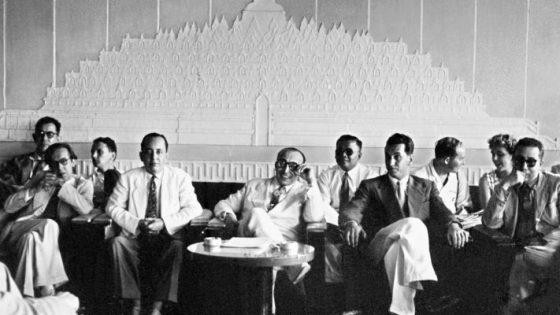
A number of Afro-Asian leaders took part in the Afro-Asian Conference, held April 18–24, 1955, in Indonesia’s Bandung city, West Java province. (Photo: Special)
Bandung stands as a defining moment that strengthened Algerian-Indonesian relations by enshrining the principles of decolonization, nonalignment, noninterference, peaceful coexistence, and economic development.
Jakarta (Indonesia Window) – The Afro-Asian Conference, held April 18–24, 1955, in Indonesia’s Bandung City, West Java Province, marked the beginning of diplomatic relations between Indonesia and Algeria.
Bandung stands as a defining moment that strengthened Algerian-Indonesian relations by enshrining the principles of decolonization, nonalignment, noninterference, peaceful coexistence, and economic development.
The remarks were made by Algerian President Abdelmadjid Tebboune on Saturday (July 4, 2026) on the occasion of the 64th anniversary of Independence Day and the restoration of national sovereignty (5 July 1962).
“Let us recall the political and historical context surrounding the Bandung Conference and the challenges addressed by Third World leaders fighting for the independence of nations still living under colonial rule, such as Indonesian President Sukarno, Indian Prime Minister Nehru, Chinese Premier Zhou Enlai, and Egyptian President Abdel Nasser,” the president said.
Bandung served as a true starting point for the Algerian Revolution in terms of its diplomatic internationalization, he noted, adding that the Algerian Revolution was able to benefit from broad and substantial support thanks to the Bandung Conference, which gave it an international character.
“We also commend the role of the young Algerian diplomats of that era, who demonstrated extraordinary diligence in their diplomatic work around the world,” he said.
Bandung emerged as an initiative that broke away from the logic of the two blocs by positioning itself outside this concept of confrontation and establishing a structure that defended the ideals enshrining positive nonalignment, the president explained.
“The Algerian Revolution did not come out of nowhere; it is the product of a long-term effort dating back to the 1930s and 1940s—that is, during the period of the National Movement, which enabled activists to receive diplomatic training.” He further said.
It should be recalled that the Algerian delegation’s participation in Bandung was made possible by the tireless diplomatic efforts of the National Liberation Front (FLN) leaders, who were eager to have the war of liberation recognized as a legitimate decolonization struggle on the international stage.
This was one of the Revolution’s first diplomatic successes. The inclusion of the Algerian question on the agenda of the United Nations General Assembly on September 30, 1955, is a highly symbolic date that marked a historic turning point in the struggle for independence, characterized in particular by the tireless diplomatic efforts of the National Liberation Front (FLN) to bring the Algerian cause to the international stage.
On that historic day in 1955—the 70th anniversary of which Algeria is celebrating—the international community paved the way for the first time for an official debate on the Algerian people’s right to self-determination, thereby granting international legitimacy to a struggle that had until then been regarded by colonial France as merely an ‘internal affair.’
Thanks to the support of Arab and Asian countries, as well as the newly decolonized Afro-Asian bloc, the Algerian question was officially placed on the agenda of the United Nations General Assembly.
This major diplomatic victory rewarded the FLN’s efforts to internationalize the Algerian cause, which had begun a few months earlier at the Bandung Conference in Indonesia (April 18–24, 1955).
Indeed, one year after the outbreak of the glorious War of National Liberation on November 1, 1954, the leaders of the Revolution decided to pursue, in addition to the armed struggle, a diplomatic initiative, with the aim of openly and once again asserting independence ‘with the aim of making the Algerian question a reality for the entire world with the support of all our natural allies,’ as the founding members of the FLN wrote.
By focusing all their efforts on the international stage, a group of activists with great potential—led by Hocine Aït Ahmed, M’hamed Yazid, and Abdelkader Chanderli, succeeded in securing Algeria’s first-ever participation in the Bandung Conference, attended by several heads of state, including former Indonesian President Soekarno and former Indian Prime Minister Jawaharlal Nehru, who had been won over to the nationalist cause.
Algeria continues to defend just causes around the world.
Reporting by Indonesia Window
Bagikan

Komentar
Berita Terkait

COVID-19 – 1,031 medical workers in Indonesia die during pandemic
Indonesia
•
05 Jul 2021
Indonesia, Russia expect 5 bln USD from bilateral trade
Indonesia
•
04 Mar 2021
Indonesian President Prabowo signs Trump-created Peace of Board charter
Indonesia
•
24 Jan 2026
Indonesia-Russia Youth Association connects two countries’ youths
Indonesia
•
31 Dec 2020


Berita Terbaru
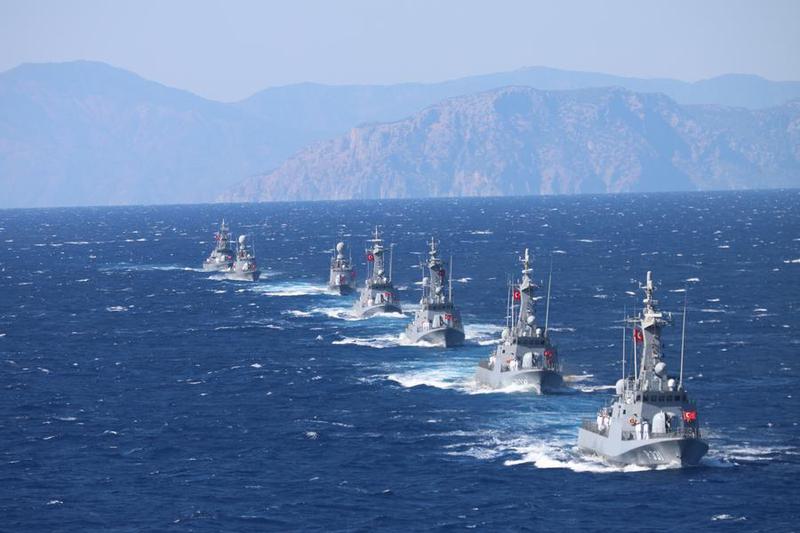
Badr MoU: Indonesia’s move to expand cooperation in defense industry with Türkiye, Qatar, Pakistan
Indonesia
•
22 Oct 2026
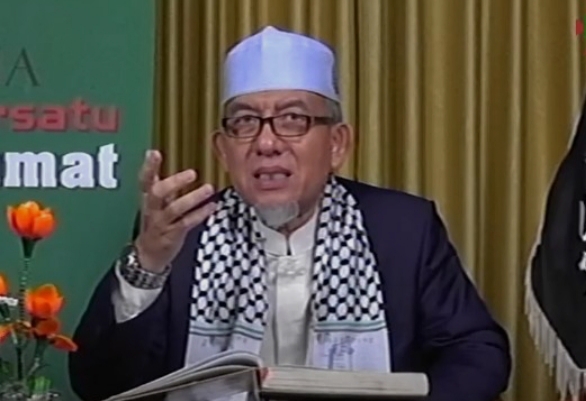
Muhammad used as target of mockery by U.S. president, Indonesia’s Jama’ah Muslimin issues strong protest
Indonesia
•
20 Oct 2026
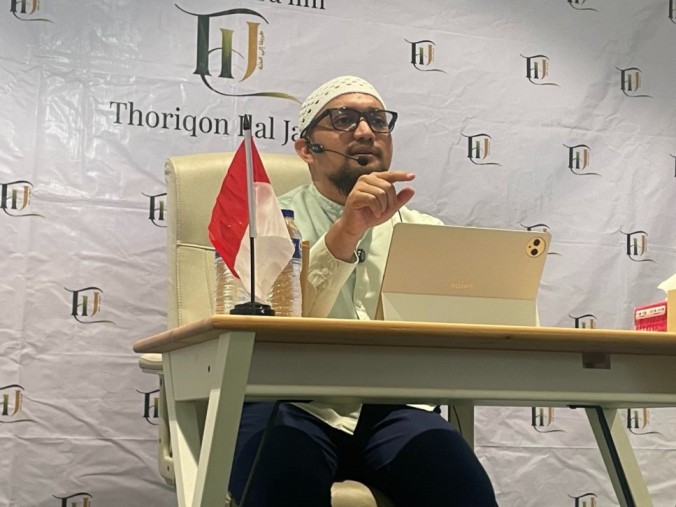
Islamic Study – Allah has guaranteed rizq; Why do we still worry?
Indonesia
•
18 Oct 2026

Indonesian crew member causes Ethiopian Airlines cargo plane to turn back from Addis Ababa
Indonesia
•
13 Oct 2026