Qdenga dengue vaccine for ages 6-45 allowed for distribution in Indonesia

09 September 2022
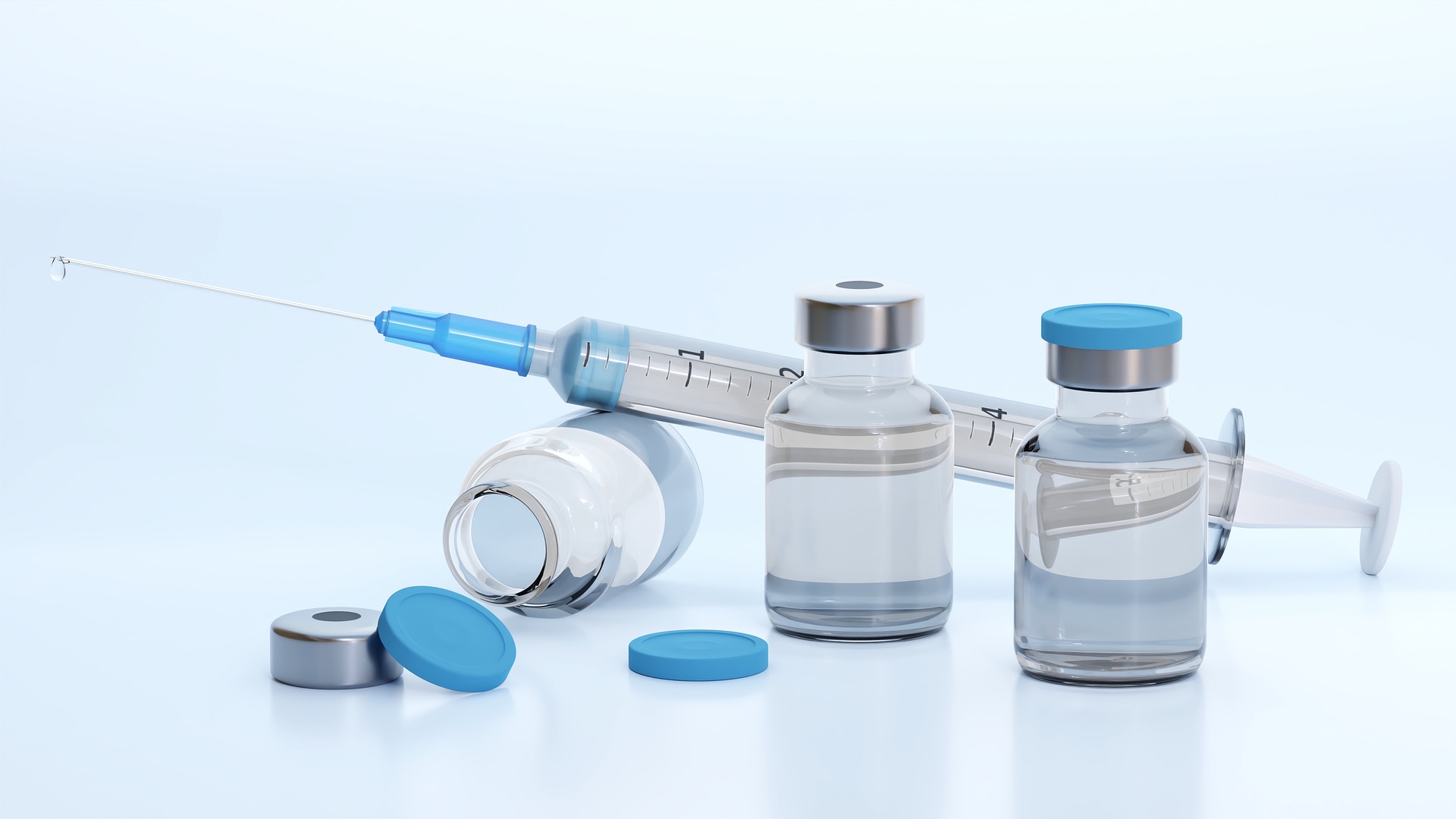
Illustration. The Qdenga dengue vaccine for ages 6-45 years received a distribution permit from Indonesia’s National Agency of Drug and Food Control (BPOM) on Friday (September 9, 2022). (MasterTux from Pixabay)
The Qdenga dengue vaccine shows good efficacy in seropositive subjects (having antibodies to the Dengue virus) and seronegative subjects (not yet having antibodies to the Dengue virus).
Jakarta (Indonesia Window) – The Qdenga dengue vaccine for ages 6-45 years received a distribution permit from Indonesia’s National Agency of Drug and Food Control (BPOM) on Friday.Qdenga is a vaccine with indications for the prevention of dengue disease caused by the dengue virus at the age of 6 to 45 years old produced by IDT Biologika GmbH Germany, and released by and registered on behalf of Takeda GmbH Germany, BPOM said in a statement received here on Friday.Qdenga is the second dengue vaccine to receive distribution authorization from BPOM after Dengvaxia which is registered under the name of PT Aventis Pharma.Qdenga vaccine is a type of Live Attenuated Tetravalent Dengue Vaccine (TDV) consisting of four dengue virus strains, namely attenuated dengue serotype 2 strain (TDV-2), recombinant dengue serotype 2/1 (TDV-1), recombinant dengue serotype 2/3 strain (TDV-3), and recombinant dengue strain serotype 2/4 (TDV-4).The TDV-2 strain vaccine is made from attenuated Dengue virus type 2. Meanwhile, attenuated vaccine strains serotypes 1, 3, and 4 were made by substituting the pre-membrane (prM) and envelope (E) gene structures of TDV-2 with the prM and E genes for Dengue virus type 1, Dengue virus type 3, and Dengue virus type 4.Efficacy
The efficacy of Qdenga was confirmed by the third phase clinical study and supported by the immunogenicity data of the third and second phase clinical studies.The overall efficacy of the Qdenga vaccine for the prevention of dengue fever was 80.2 percent, while the efficacy rate for preventing hospitalization was 95.4 percent.This vaccine shows good efficacy in seropositive subjects (having antibodies to dengue virus) and seronegative subjects (not yet having antibodies to dengue virus).Analysis of data from phase 1, phase 2, and phase 3 clinical studies at subjects ages 6–45 years old showed that they were overall safe and well tolerated.The reported adverse events were generally mild to moderate. Local adverse effects reported are throbbing pain at the site, erythema and swelling that are transient and resolve within 1-3 days after administration of the vaccine.Systemic adverse effects reported include headache, myalgia (muscle pain), malaise, asthenia (tiredness), irritability, drowsiness, loss of appetite, and fever.No events of hemorrhage (bleeding) due to dengue fever, and anaphylactic reactions (shock due to severe allergic reactions) were reported after administration of Qdenga reported in clinical studies.Hypersensitivity reactions are also very rarely reported (less than 0.1 percent of subjects).Children
For children under 6 years old, current clinical data studies show that the efficacy of Qdenga at this age is lower than that at the 6-45 years age group.Currently, there is no data on the efficacy of Qdenga for people over 45 years of age, so the efficacy of this vaccine in this group is uncertain."According to clinical study data, the indications for the Qdenga vaccine are approved for ages ranging from 6 to 45 years old. The Qdenga vaccine is given in two doses with an interval of three months, through injection of drugs or vaccines into the hypodermis, which is the layer of skin under the dermis, in the upper arm muscles," Head of BPOM Penny K Lukito explained.The results of the vaccine evaluation have been discussed in a meeting of the National Committee for Drug Evaluation involving experts from various fields, including pharmacology, epidemiology, immunology, pharmacy, clinical, regulatory, academic vaccinology, related clinical associations, and other government institutions.“The distribution permit for Qdenga vaccine by BPOM is in accordance with the requirements for a new vaccine that refers to WHO standards. It is also based on the evaluation results of pre-clinical test results, clinical test results, and vaccine quality test data, ranging from materials, making antigen processes, to the vaccine production," Penny said.BPOM also publishes product information containing details regarding the Qdenga approval as a reference for health workers, in the form of Summary Product Characteristics (SPC).This information can also be used by public or vaccination participants, in the form of Patient Information Leaflets (PIL).The SPC also provides more complete information about the safety and efficacy of Qdenga, as well as precautions in the use of vaccines, including monitoring for possible side effects or adverse event following immunization (AEFI) and how to report these conditions.Health workers and the public can access SPC and information on Qdenga vaccine products via BPOM’s website at http://pionas.pom.go.id/cari/obat-baru.Reporting by Indonesia WindowBagikan

Komentar
Berita Terkait
Indonesia prioritizes vaccine diplomacy with China: Ambassador
Indonesia
•
14 Oct 2020

People-to-people connection plays important role in Indonesia-China relations
Indonesia
•
06 Oct 2020

Indonesia, Saudi Arabia discuss potentials for cooperation in tourism, creative economy
Indonesia
•
04 Nov 2021
Indonesia, WWC, UNESCO sign LoI about cooperation on World Water Forum
Indonesia
•
18 Feb 2023


Berita Terbaru

Minister: Airports affected by Mount Anak Krakatau volcanic ash reopen
Indonesia
•
08 Sep 2026

TETO: Sudut Pandang is one of important mass media in Indonesia
Indonesia
•
06 Sep 2026
Feature – Preserving 180-year-old legacy: UIN Ar-Raniry digitizes Quranic manuscript of Acehnese scholar
Indonesia
•
29 Aug 2026

Opinion – Prophet Muhammad ﷺ and journey toward literacy, ecological awareness
Indonesia
•
27 Aug 2026