Indonesia’s fingerprint analysis technology increases oil, gas exploration

03 December 2022
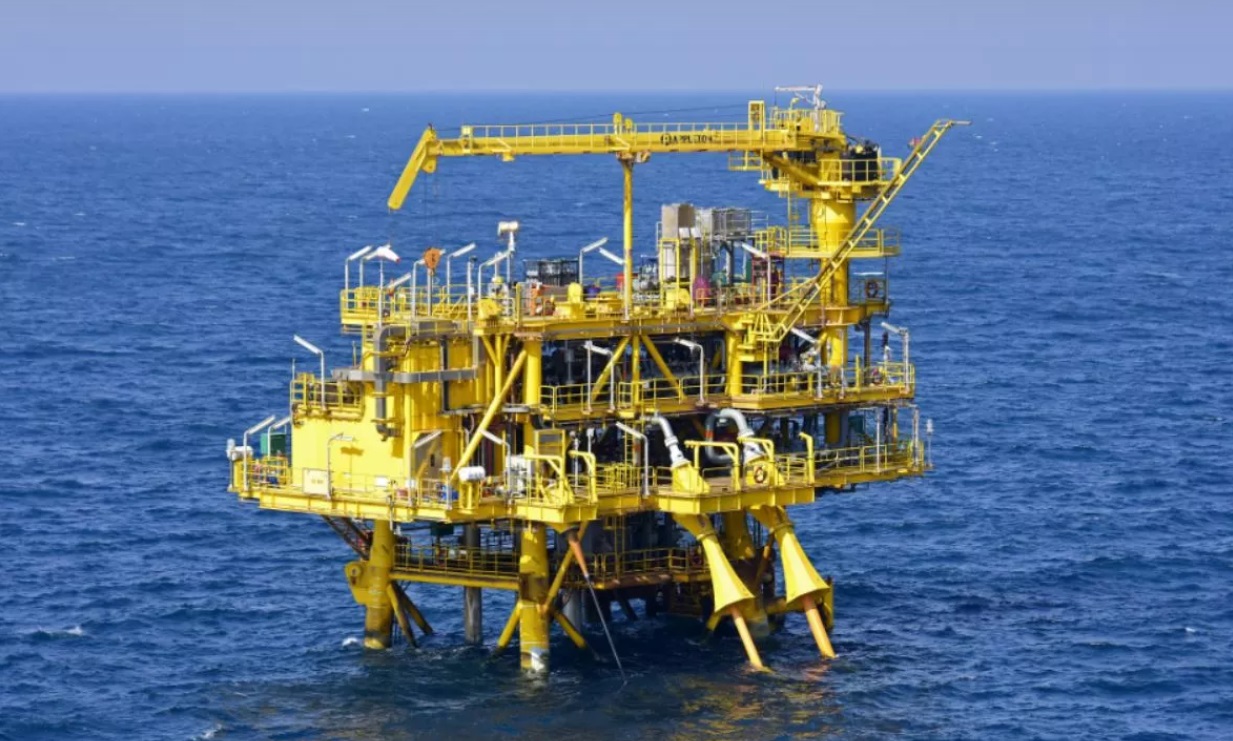
An offshore oil rig. (The Indonesian Ministry of Energy and Mineral Resources)
Fingerprint analysis technology is a solution in dealing with the scarcity of oil and natural gas (oil and gas) resources, as well as the declining level of oil and gas production, by evaluating the chemical molecules contained in rocks and petroleum extracts.
Jakarta (Indonesia Window) – Organic geochemical technologies in the petroleum industry has developed rapidly in the last few decades, in order to overcome the scarcity of oil and natural gas resources and the declining level of oil and gas production.One of the techniques used in the organic geochemistry to evaluate chemical molecules contained in rocksand petroleum extracts is fingerprint analysis of Gas Chromatography (GC) and Gas Chromatography Mass Spectrometry (GC-MS).Historically, fingerprint analysis on petroleum biomarkers has been used to identify the characteristics of petroleum.In the upstream sector, the oil and gas fingerprint analysis technology developed by Indonesia’s Oil and Gas Institute (LEMIGAS) is expected to be a solution to oil and gas development issues."LEMIGAS will continue to develop technology that supports oil and gas activities from upstream to downstream," LEMIGAS’ head for oil and gas testing center at the Ministry of Energy and Mineral Resources, Ariana Soemanto, said here on Jakarta, Friday (Dec. 2).Meanwhile, the coordinator of oil and gas exploration testing, Junita Trivianty, added, "The fingerprint analysis technology in the LEMIGAS geochemistry laboratory is supported by high-tech laboratory equipment and competent analysts, so as to be able to provide accurate analysis results on the age of source rocks in order to determine traces of petroleum".Scientifically, biomarkers are complex molecular fossils, consisting of carbon, hydrogen and other elements derived from living organisms. During the evolutionary process, biomarker compounds did not experience structural changes from their parent organic molecules derived from living organisms, except for only a few.In oil and gas exploration activities, biomarker compounds are often used in correlation studies between two crude oils or petroleum and its parent rock.Biomarkers can be measured in oil or sedimentary rocks so that they can provide information about the organic compounds present in the source rocks, the environmental conditions at the time of deposition, the thermal maturity of the rocks or oil, the degree of biodegradation, and to determine the relative age of the source rocks, for example, Pre-tertiary source rocks or Tertiary.Biomarker fingerprint analysis can also be used for forensic geochemical studies of petroleum contamination in the environment by identifying biomarker fingerprints of oil spill samples and comparing them with biomarker fingerprints of oil samples which are considered as pollutant sources.Some examples of biomarker fingerprint analysis issues for pollution cases that have been carried out by LEMIGAS are oil pollution from the Montara Well in the Timor Sea, pollution on Bintan Island (Riau Islands), pollution in Cilacap waters (Central Java), and oil pollution in the Seribu Islands (Jakarta).Reporting by Indonesia WindowBagikan

Komentar
Berita Terkait
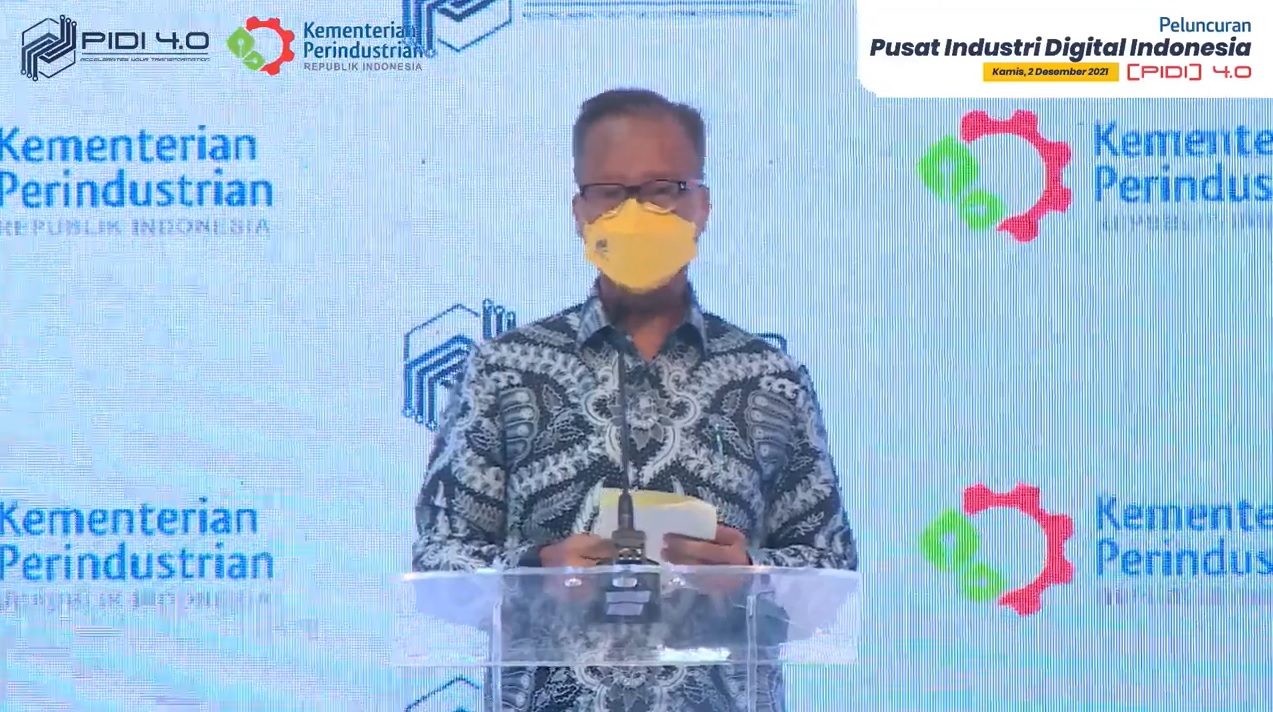
Indonesia launches digital industry center to realize vision 4.0
Indonesia
•
03 Dec 2021
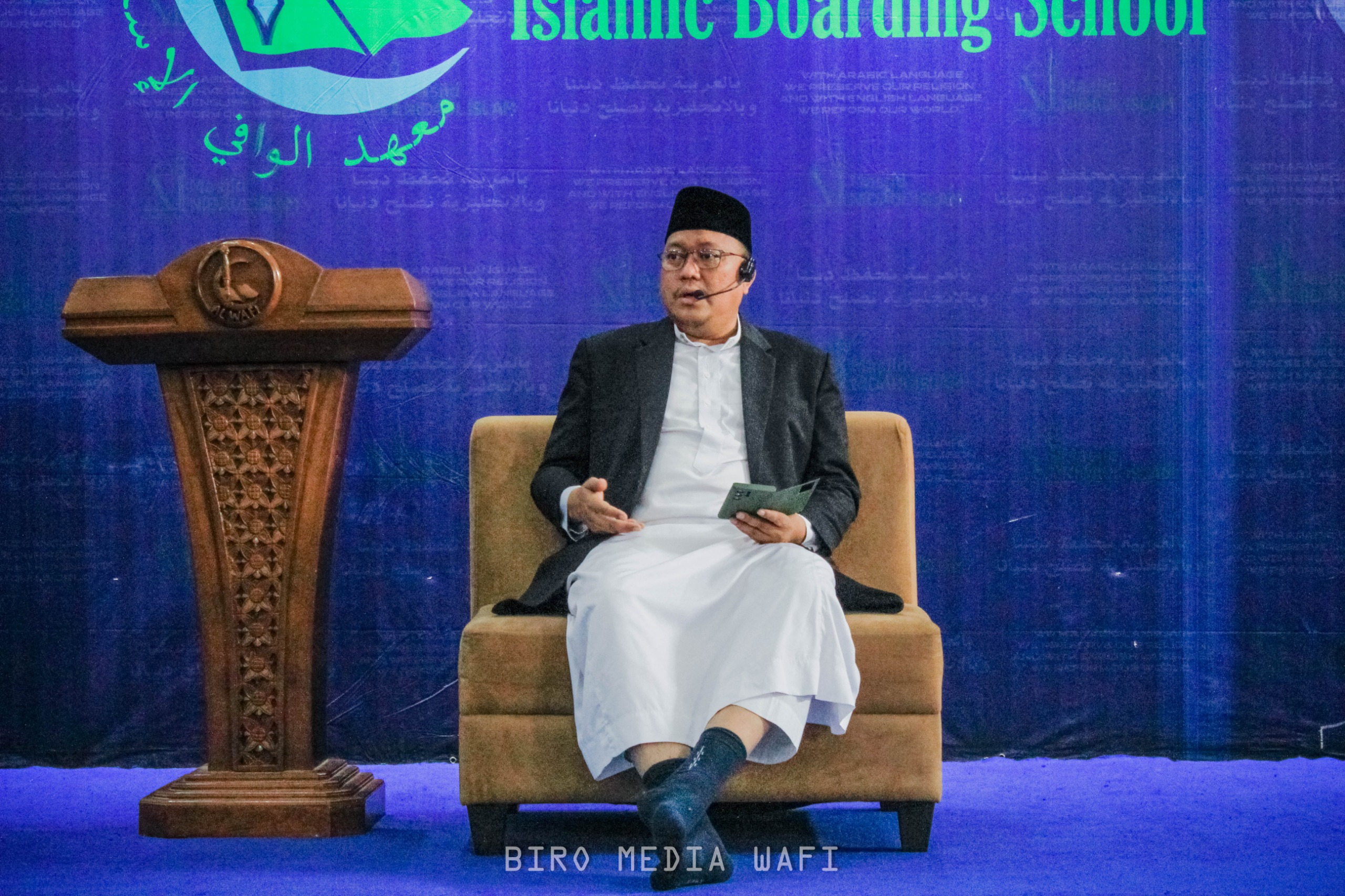
Feature – Leading to Golden Generation, Al-Wafi meets student parents
Indonesia
•
19 Sep 2023

Indonesia's digital market potential reaches 146 bln USD by 2025: President
Indonesia
•
16 Dec 2021

Indonesia, Portugal explore potential for fisheries cooperation
Indonesia
•
17 Dec 2021


Berita Terbaru
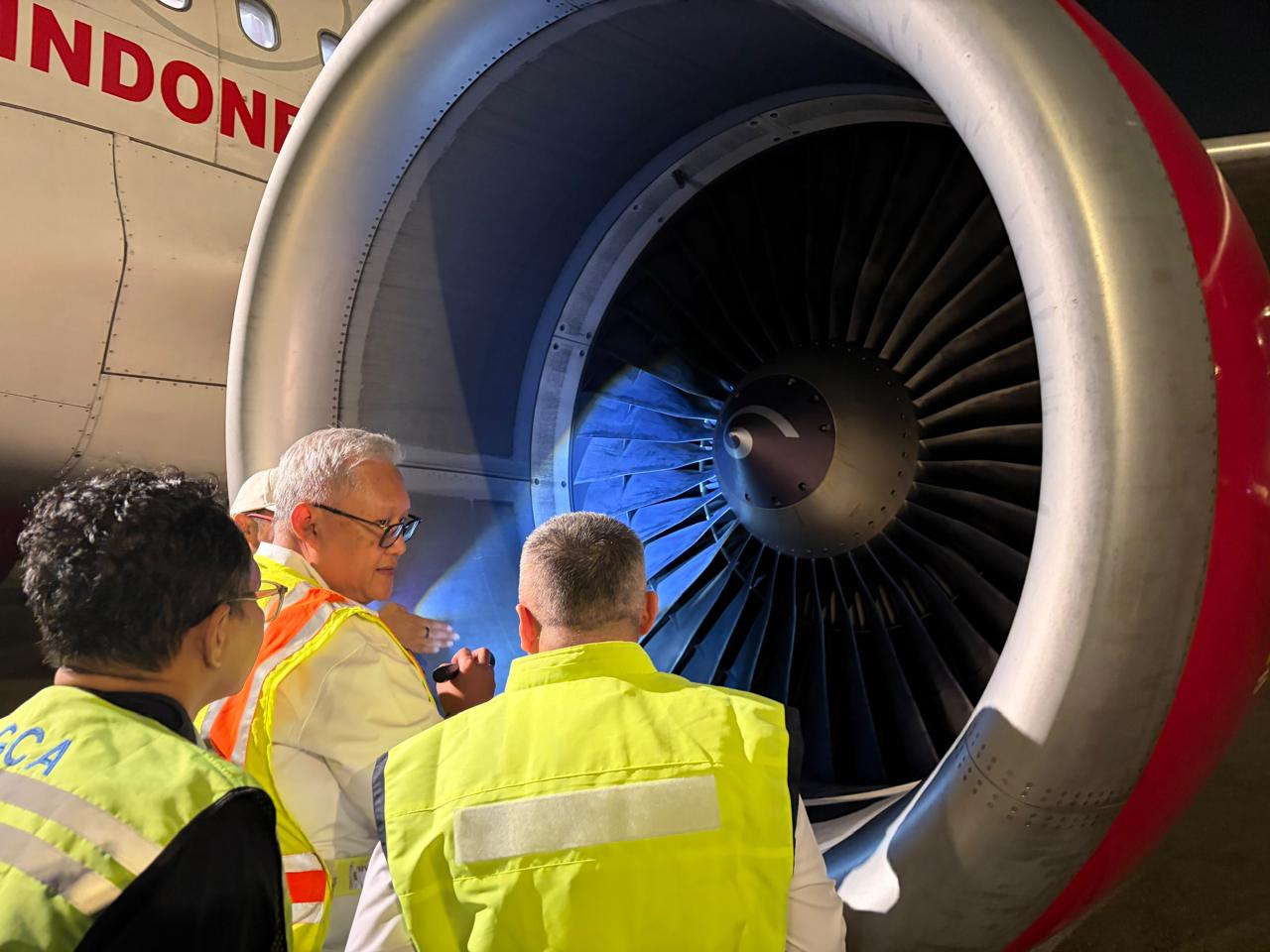
Minister: Airports affected by Mount Anak Krakatau volcanic ash reopen
Indonesia
•
08 Sep 2026
TETO: Sudut Pandang is one of important mass media in Indonesia
Indonesia
•
06 Sep 2026
Feature – Preserving 180-year-old legacy: UIN Ar-Raniry digitizes Quranic manuscript of Acehnese scholar
Indonesia
•
29 Aug 2026
Opinion – Prophet Muhammad ﷺ and journey toward literacy, ecological awareness
Indonesia
•
27 Aug 2026