Indonesian Islam convert introduces ‘Chrislamology’ to strengthen Islamic faith

15 September 2026
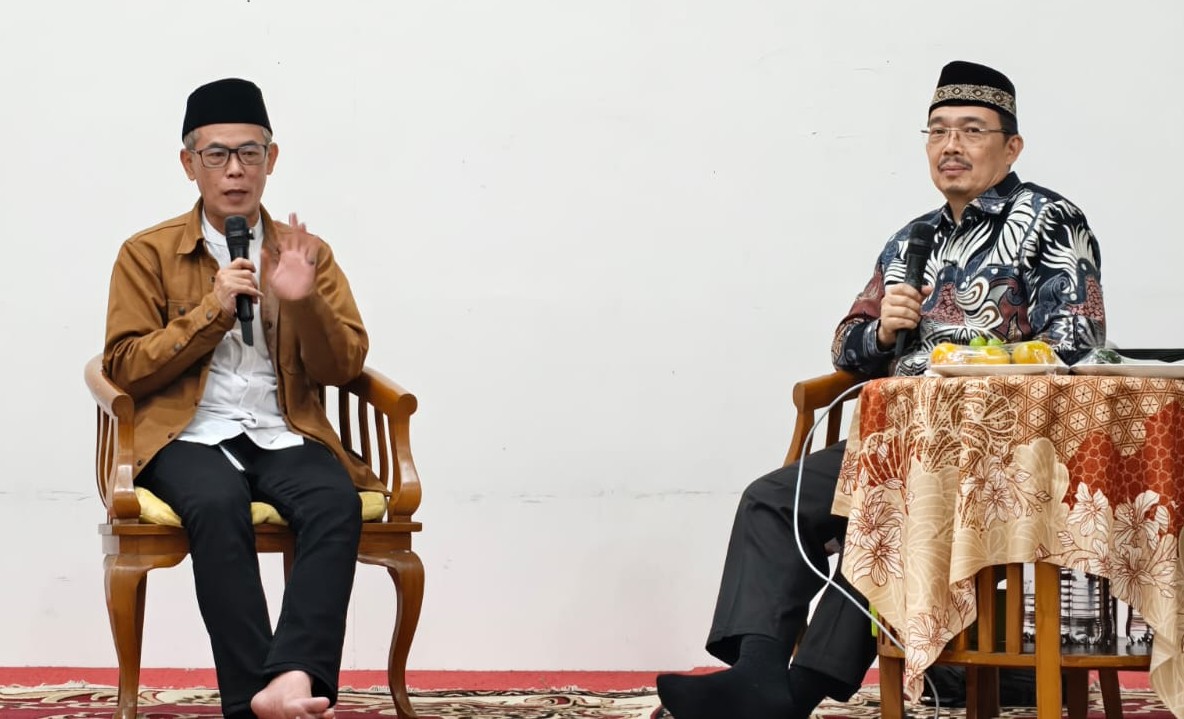
Indonesian chinese-descent Dondy Eko Putro Susanto, widely known as 'Koh Dondy' of the Indonesian Converts Guard Foundation (Garda Mualaf Indonesia), during a lecture and dialogue with Tazkia University Rector Prof. Muhammad Syafi'i Antonio in Indonesia's Bogor district, West Java province, on Sunday (September 13, 2026). (Indonesia Window/Ronald Rangkayo)
Koh Dondy Tan emphasized the need to strengthen religious literacy so that Muslims do not easily accept religious information without understanding its context and sources.
Bogor, W Java (Indonesia Window) — The study of Christian theology, or Christology, is considered important for Muslims, particularly as a means of strengthening their understanding of Islam while equipping them for religious dialogue and discussions with people of different faiths.
The view was expressed by Indonesian chinese-descent Dondy Eko Putro Susanto, widely known as 'Koh Dondy' of the Indonesian Converts Guard Foundation (Garda Mualaf Indonesia), during a study session and dialogue with Tazkia University Rector Prof. Muhammad Syafi'i Antonio in Indonesia's Bogor District, West Java Province, on Sunday (Sept. 13).
Koh Dondy said the activities of Garda Mualaf Indonesia are not limited to helping people recite the shahada, the Islamic declaration of faith as the organization also focuses on strengthening converts’ understanding of Islam and providing guidance and support after they embrace the faith.
He said the organization studies what he described as a 'war of ideas,' or ghazwul fikri, with its objectives among others to safeguard Muslims’ faith and aqidah from what he views as attempts to weaken their religious convictions and persuade them to leave Islam.
“Our reason is to safeguard the faith and aqidah (a firm belief) of Muslims from efforts to weaken their religious convictions and cause them to leave Islam. In Christianity, and I say this with respect, there is indeed a command in its scripture to bring people outside Christianity into the faith: ‘Therefore go and make disciples of all nations. Baptizing them in the name of the Father and of the Son and of the Holy Spirit.’ This is known among Christians as the Great Commission,” Koh Dondy explained.
In Islam, he continued, there is also a command to convey the message of the faith, even if it is only one verse.
“The Great Commission is understood by them as a duty for every Christian to seek souls and bring people into Christianity. If we, as Muslims, do not understand the ins and outs of their religion, we can easily have our aqidah weakened and may also become vulnerable to conversion,” he stressed.
Social media and the challenge of religious understandings
Koh Dondy also highlighted the influence of social media on people’s religious understanding, particularly among younger generations
He said he had on several occasions received parents who brought their children to him after, according to the parents, the children had been influenced by content on TikTok and subsequently changed their religion
In his view, social media can pose a particular challenge when people have limited religious knowledge
For this reason, he emphasized the need to strengthen religious literacy so that Muslims do not easily accept religious information without understanding its context and sources.
Koh Dondy then introduced the term 'Chrislamology,' which he described as a combination of the study of Christology and Islamology. Through this approach, people are encouraged not only to study another religion but also to deepen their understanding of their own faith.
‘Chrislamology’ in higher-learning instituions
The dialogue also raised the idea of strengthening Christology education at Islamic higher-learning institutions, particularly within faculties of dakwah, or Islamic preaching.
Koh Dondy said he teaches a six-credit-hour Christology course at the Mohammad Natsir College of Islamic Preaching (Sekolah Tinggi Ilmu Dakwah Mohammad Natsir).
According to him, the study of Christology should not be limited to theological issues. It should also cover textual studies, history, concepts of salvation, religious worship, messianic studies, and prophetic aspects.
He said textual criticism could be an important method in such studies. Students, he argued, need to be equipped with the ability to critically examine religious texts, understand their historical contexts, and compare different sources.
Through such an approach, Koh Dondy said, graduates of Islamic higher education institutions would not only be capable of conducting dakwah within Muslim communities but would also have the skills to engage in more structured religious dialogue with people from different religious backgrounds.
Reporting by Indonesia Window
Bagikan

Komentar
Berita Terkait
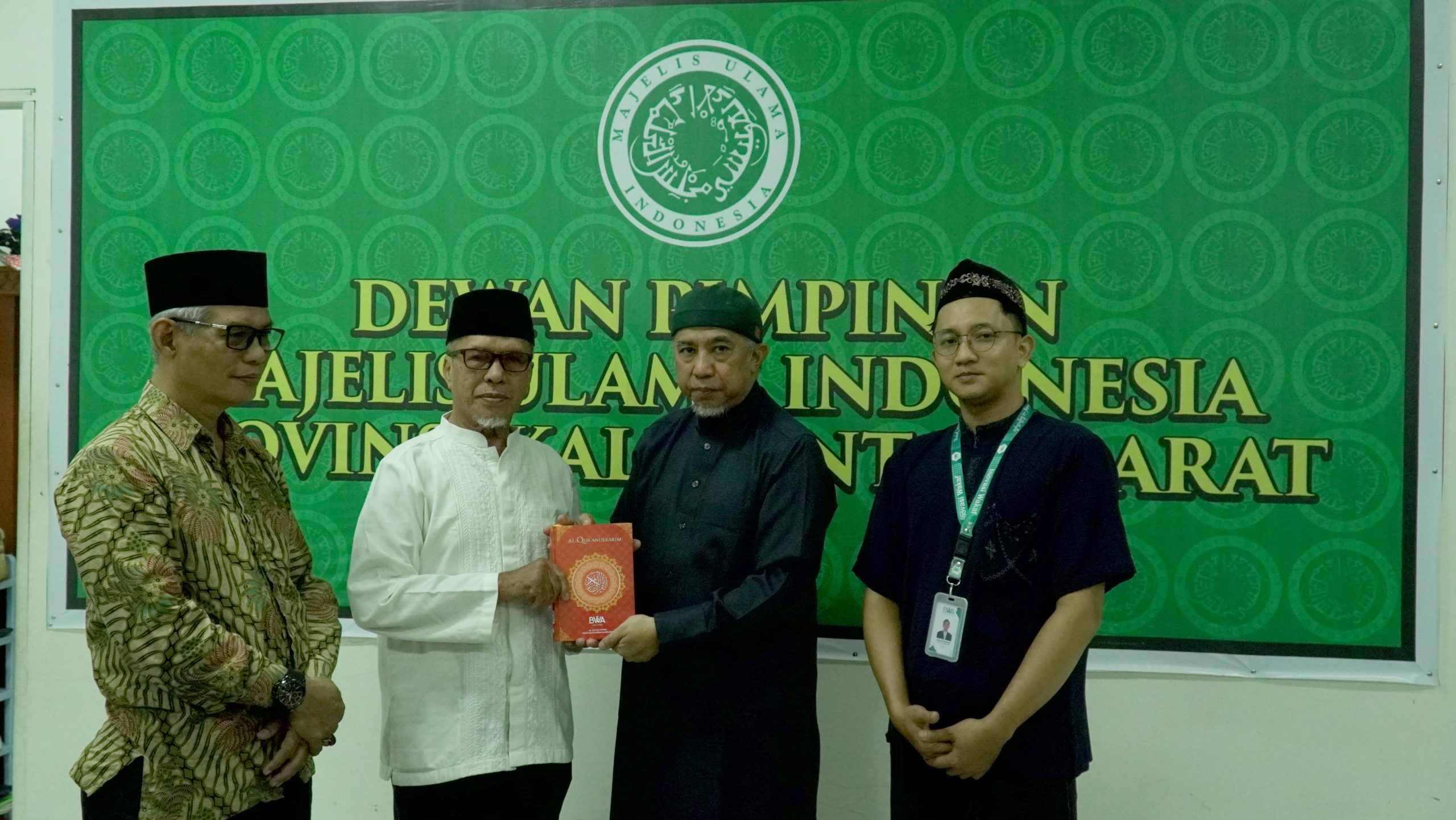
News Focus - 40,000 copies of Al-Quran distributed to Indonesia’s W Kalimantan, spreading light at year end
Indonesia
•
14 Dec 2024
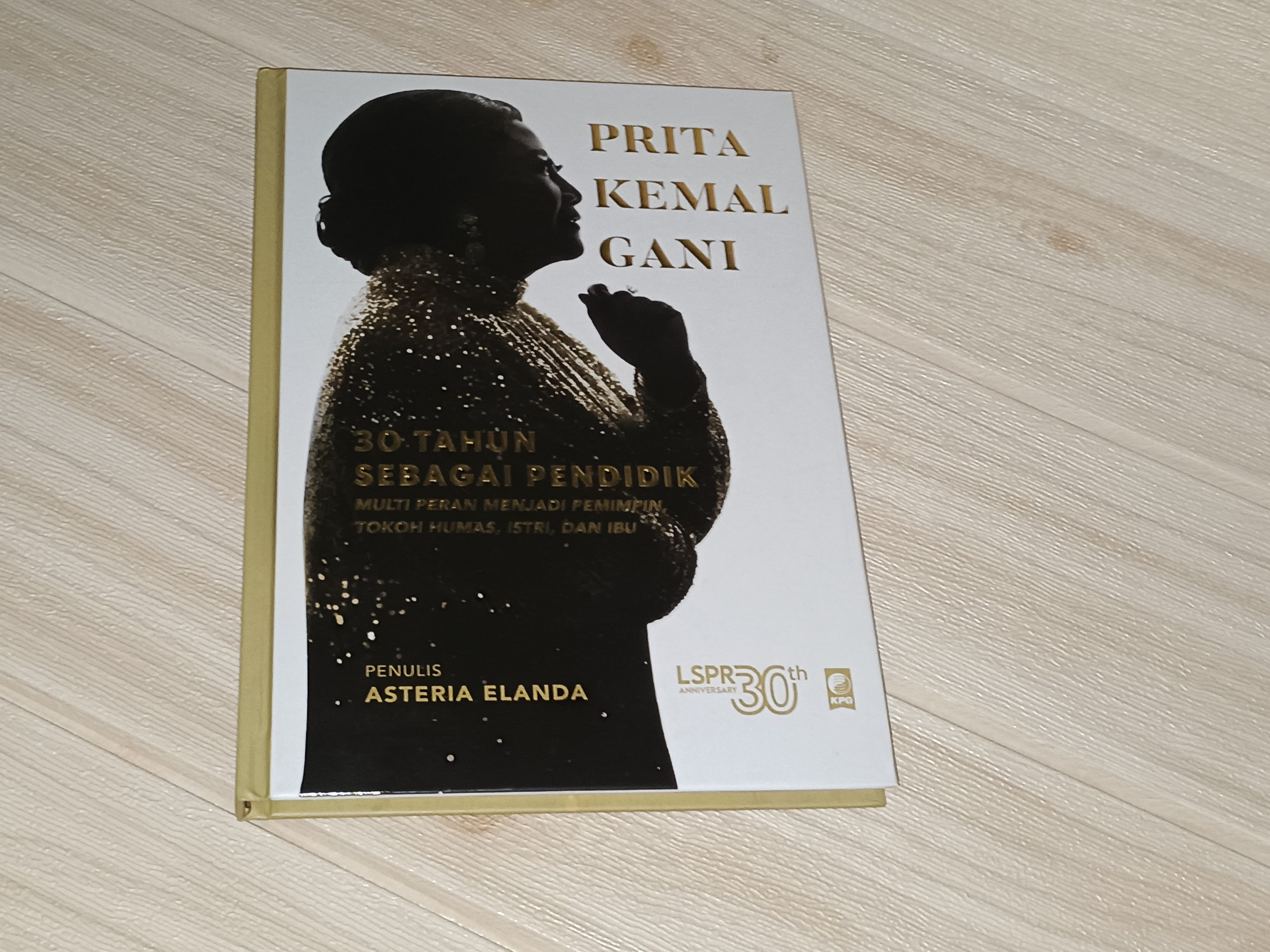
Short book review: PRITA KEMAL GANI, 30 years serving as an educator, playing multi roles being a leader, public relations figure, wife and mother
Indonesia
•
30 Nov 2022
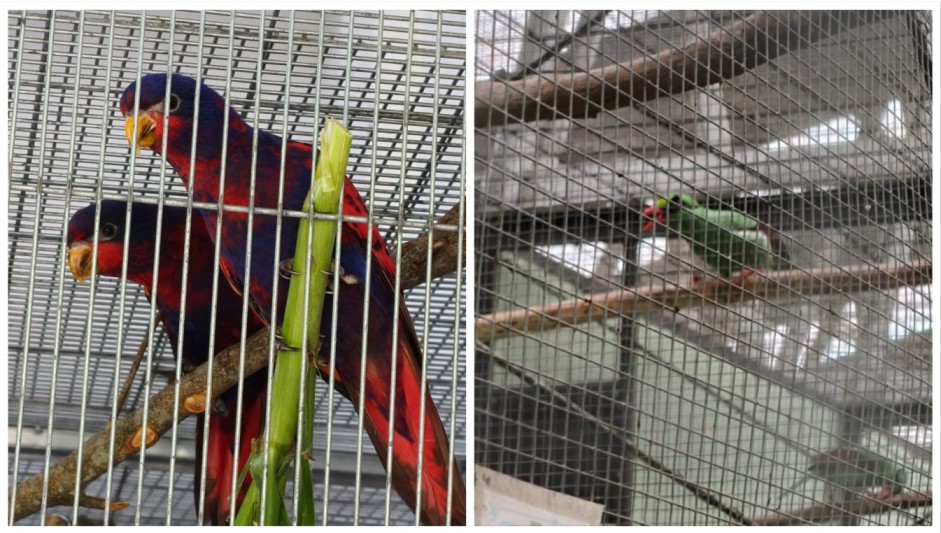
Prigen Conservation Breeding Ark conserves Indonesia’s endangered endemic songbirds
Indonesia
•
20 Dec 2025
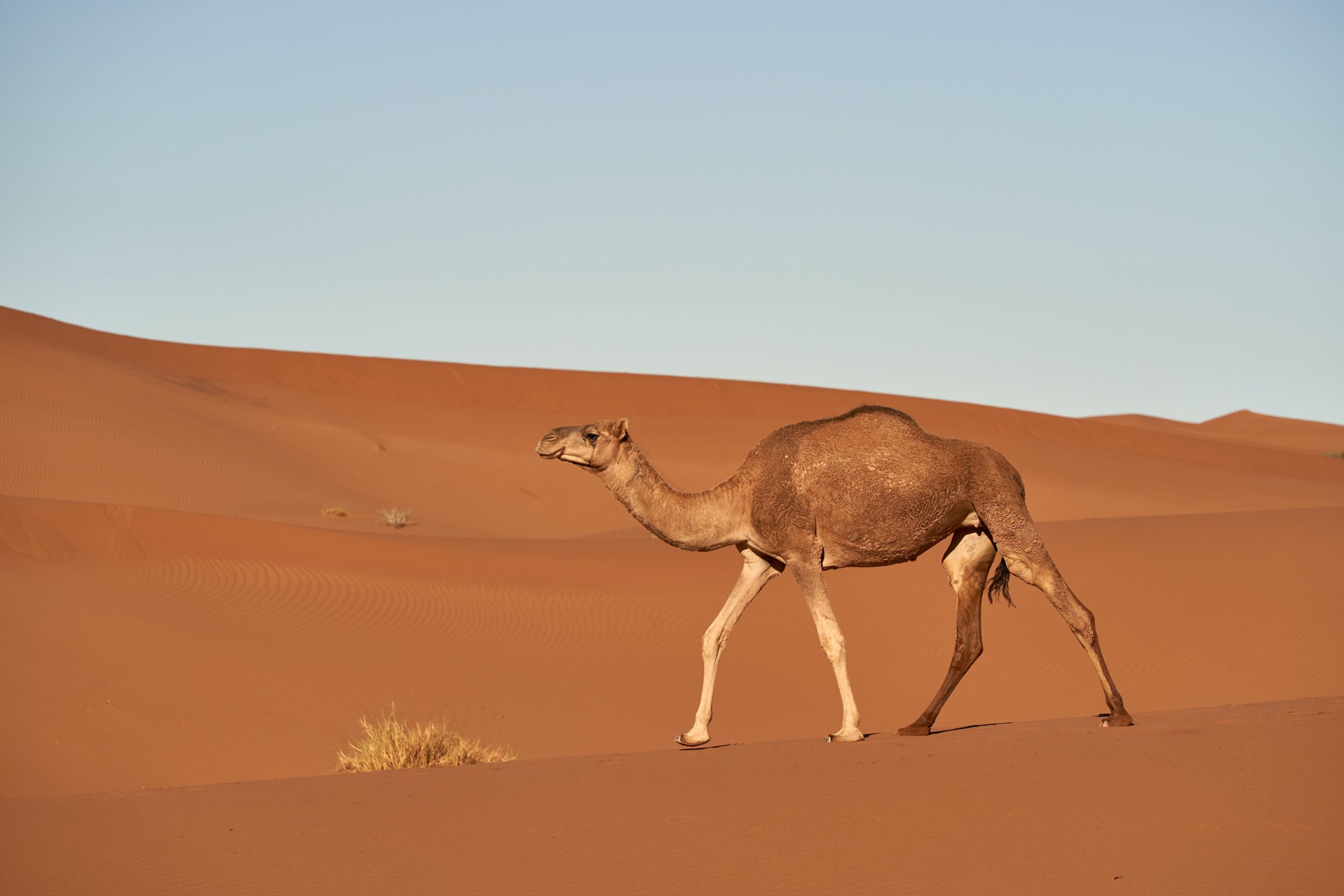
Saudi Arabia opens world’s largest camel hospital
Indonesia
•
07 Jul 2020
Berita Terbaru
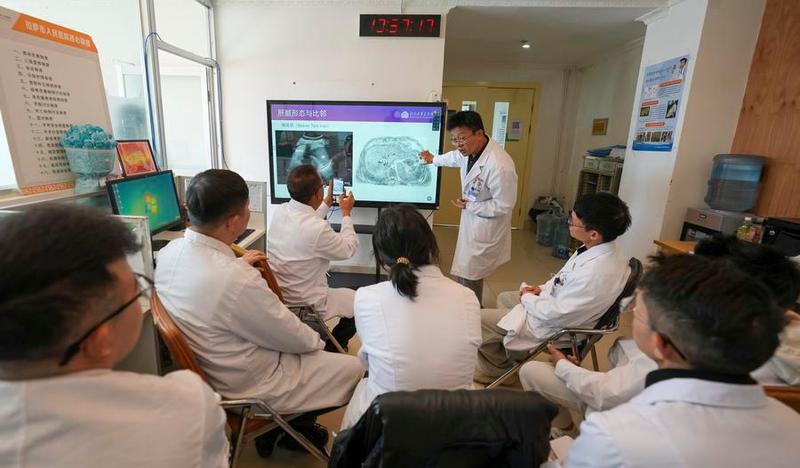
Feature – From barefoot to high-tech: How Chinese doctors shaped a healthier nation
Indonesia
•
23 Aug 2026

Feature – Paddling, camping, birdwatching: How a greener China reshapes urban getaways, lifestyles
Indonesia
•
17 Aug 2026
The rain, the caves and the quest to preserve Mogao Grottoes
Indonesia
•
16 Aug 2026

China aims to elevate basic education with focus on virtue, health and equity
Indonesia
•
29 Jul 2026