Indonesia hopes for halal industry’s contribution to national economy

07 October 2022
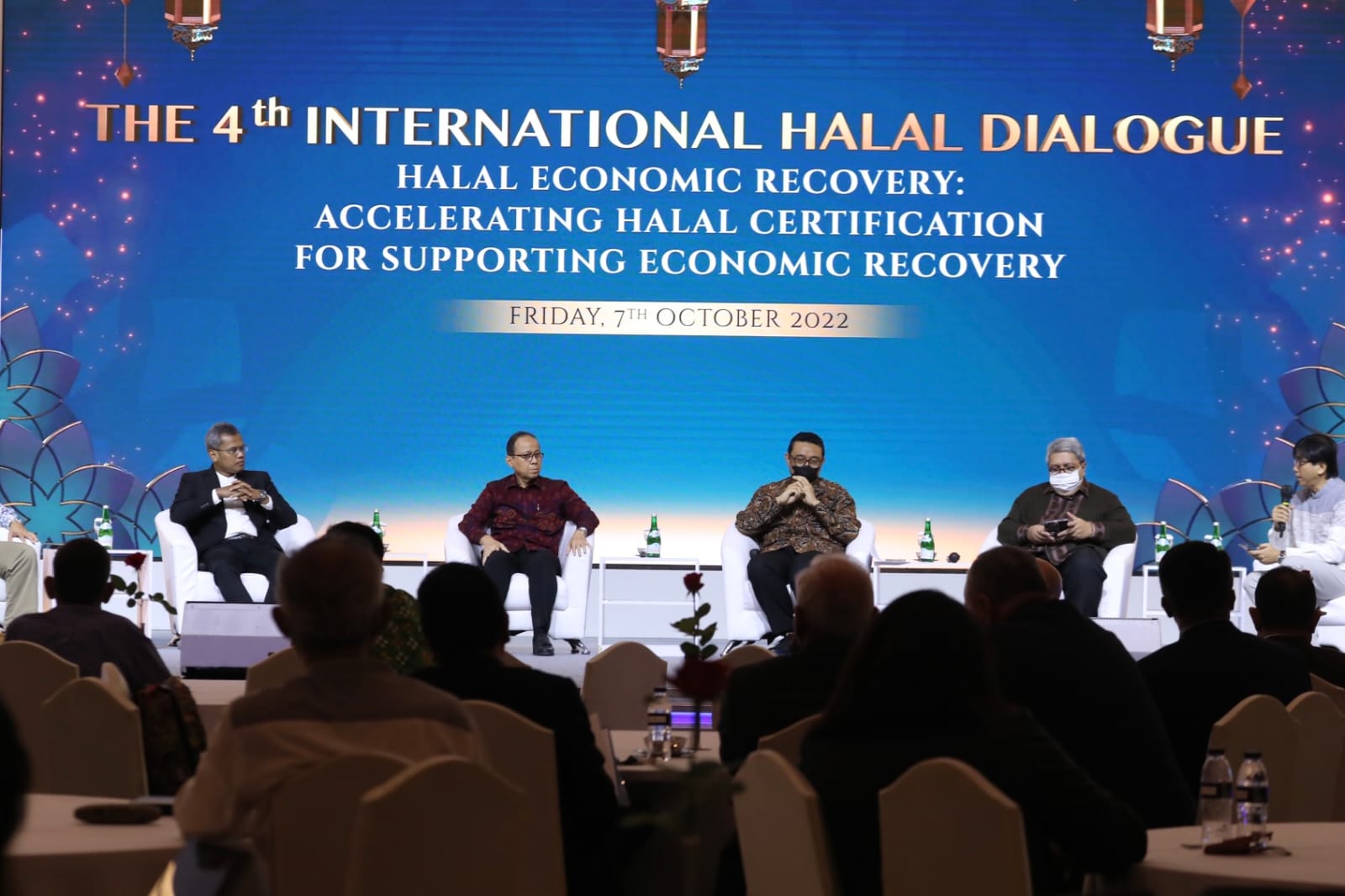
The 4th International Halal Dialogue in 2022 under the theme 'Acceleration of Halal Certification to Support Economic Recovery' in Jakarta on Friday (October 7, 2022). (BI)
The concept of halal is not only limited to foods but also applies to the needs of daily life, aimed at human health, safety and welfare, so it is very relevant to all parties, both Muslims and non-Muslims.
Jakarta (Indonesia Window) – The Indonesian Minister of Religion, Yaqut Cholil Qoumas, has said that Indonesia has a high hope for the progress of the country’s halal industry in order to contribute to the national economy.Yaqut conveyed this hope in his remarks at the opening of the 4th International Halal Dialogue in 2022 under the theme Acceleration of Halal Certification to Support Economic Recovery, here on Friday.According to the minister, this is in line with efforts to make Indonesia play an increasingly significant role in the international arena, especially in the halal food and beverage industry.To that end, the government has taken various strategic steps including simplifying the halal certification process, which initially took more than three months to now only take a maximum of twenty-one days.Another facility is certification through self-declare where business actors can declare for themselves that their products are halal with the procedures and requirements that must be met, Yaqut explained.The various regulations that have been issued by the government are expected to support and strengthen the growth of the halal ecosystem and industry in Indonesia, he added.In line with this, the Head of the Department of Economics and Sharia Finance of Bank Indonesia (the central bank), Arief Hartawan, said that in realizing Indonesia to become the world's largest halal producer, there are four strategies to strengthen the national halal industry ecosystem.First, accelerating halal certification, especially in slaughterhouses. Based on research conducted by IPB (the Bogor Institute of Agriculture) and KNEKS (the National Committee for Sharia Economics and Finance), 85 percent of animal and poultry slaughterhouses in Indonesia do not yet have halal certification.Second, formulating a business model for the halal industry. Third, developing the halal traceability in the production process, and fourth, collaborating with institutions in accordance with their respective roles in halal certification.The concept of halal is not only limited to foods but also applies to the needs of daily life, said Arief, adding that something halal is a lifestyle aimed at human health, safety and welfare, so it is very relevant to all parties, both Muslims and non-Muslims.This includes several products that are often used in daily life such as foods, beverages, drugs, cosmetics, biological products, and chemical products that can obtain halal certification if the production process is in accordance with the procedures for processing halal products, he said.Therefore, having halal certification requires a halal ecosystem. The government and relevant stakeholders need to ensure that the halal supply chain is available from upstream to downstream.This requires synergy and collaboration from various parties, both the government and business actors, in order to realize Indonesia as the largest halal producer in the world so that it can make a greater contribution to the national economy.Reporting by Indonesia WindowBagikan

Komentar
Berita Terkait

COVID-19 – Indonesia issues emergency use authorization for Molnupiravir antivirus
Indonesia
•
15 Jan 2022

Green infrastructure investment needs 6.9 tln USD per year
Indonesia
•
19 Feb 2022
Former Indonesian president calls on world leaders to lower egos to overcome global crisis
Indonesia
•
02 Nov 2022
News Focus: Indonesian Islamic school holds international seminar, facing threat of recession
Indonesia
•
27 Feb 2023

Berita Terbaru

Minister: Airports affected by Mount Anak Krakatau volcanic ash reopen
Indonesia
•
08 Sep 2026

TETO: Sudut Pandang is one of important mass media in Indonesia
Indonesia
•
06 Sep 2026
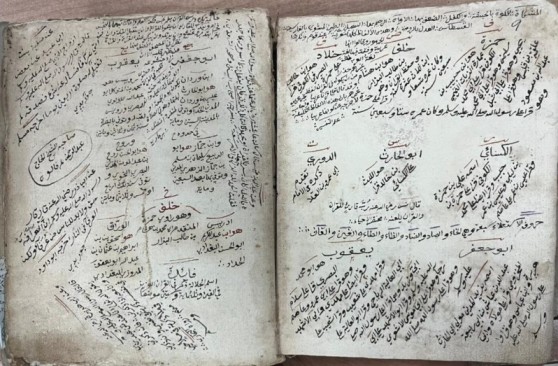
Feature – Preserving 180-year-old legacy: UIN Ar-Raniry digitizes Quranic manuscript of Acehnese scholar
Indonesia
•
29 Aug 2026
Opinion – Prophet Muhammad ﷺ and journey toward literacy, ecological awareness
Indonesia
•
27 Aug 2026