Indonesia calls on companies to implement ‘WFH’ one day a week as of April 1

01 April 2026
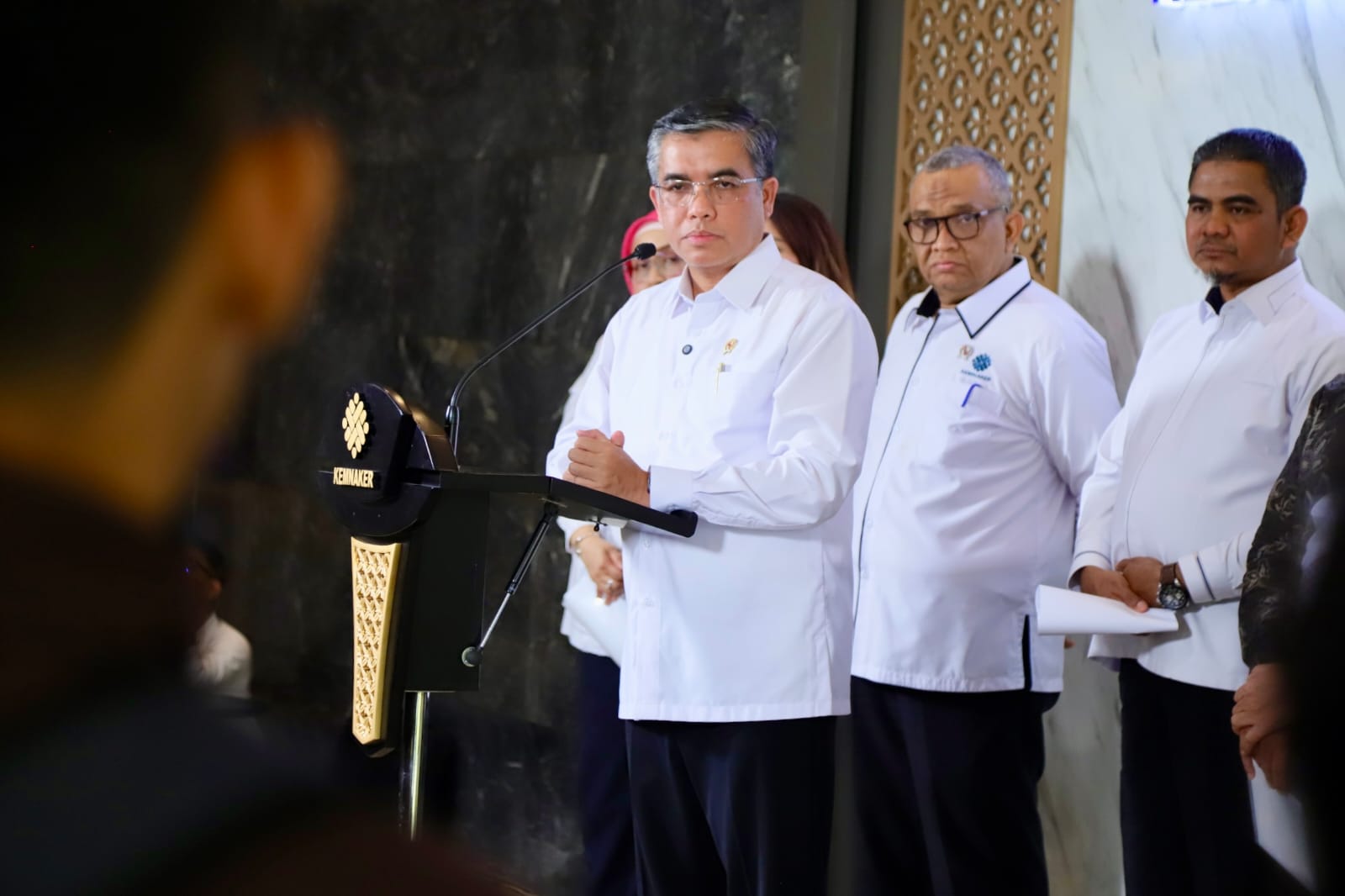
Indonesia’s Minister of Manpower Yassierli (first left) at a press conference in Jakarta, on Wednesday (April 1, 2026). (The Indonesian Ministry of Manpower)
Under the WFH policy, the employees must continue to carry out their duties and obligations, while the companies ensure that productivity and service quality are maintained.
Jakarta (Indonesia Window) — Indonesia’s Minister of Manpower Yassierli urged private companies, State-Owned Enterprises (SOE), and Local-Owned Enterprises to implement ‘Work from Home’ (WFH) one day a week.
The policy, effective April 1, 2026, is part of an effort to strengthen national energy security while encouraging productive, adaptive, and sustainable work patterns.
The policy was announced at a press conference at the ministry’s office here, on Wednesday (April 1).
“The top management of private companies, state-owned enterprises, and local-owned enterprises are encouraged to implement Work from Home (WFH) for workers/laborers for one working day a week according to conditions of their companies, with working hours determined by each company," the minister said.
The implementation of WFH guarantees workers' rights. Wages/salaries and other rights are paid according to the provisions and do not reduce annual leave.
Under the WFH policy, the employees must continue to carry out their duties and obligations, while the company ensures that productivity and service quality are maintained.
However, the WFH policy is exempted for sectors that require physical presence, such as those in the fields of health, energy, infrastructure and public services, retail/trade, industry and production, services, food and beverage, transportation and logistics, and the financial sector.
In addition to implementing WFH policy, companies are also required to make efforts to use energy more efficiently in the workplace through applying more efficient technology and work equipment, strengthening a culture of wise energy utilization, and controlling and monitoring energy consumption through measurable operational policies.
The minister of manpower also emphasized the importance of involving workers and labor unions in the implementation of the WFH policy, both in designing and implementing programs, building shared awareness, and encouraging innovation to create more productive and adaptive work patterns in energy use.
Reporting by Indonesia Window
Bagikan

Komentar
Berita Terkait

Minister appreciates Indonesia's geoparks included in UNESCO network
Indonesia
•
26 May 2023
American researcher studies Muslim farmers in Indonesia’s Kerinci, finds agricultural modernization affects emotions
Indonesia
•
09 Feb 2026

Indonesia develops int’l standard shrimp disease testing laboratory
Indonesia
•
16 Sep 2020
Indonesia encourages strategic cooperation with South Korea
Indonesia
•
14 Mar 2024


Berita Terbaru

Minister: Airports affected by Mount Anak Krakatau volcanic ash reopen
Indonesia
•
08 Sep 2026
TETO: Sudut Pandang is one of important mass media in Indonesia
Indonesia
•
06 Sep 2026
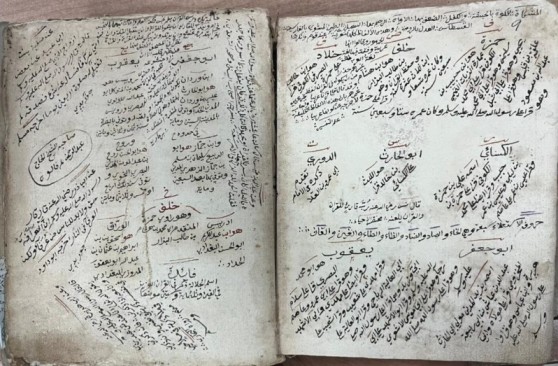
Feature – Preserving 180-year-old legacy: UIN Ar-Raniry digitizes Quranic manuscript of Acehnese scholar
Indonesia
•
29 Aug 2026
Opinion – Prophet Muhammad ﷺ and journey toward literacy, ecological awareness
Indonesia
•
27 Aug 2026