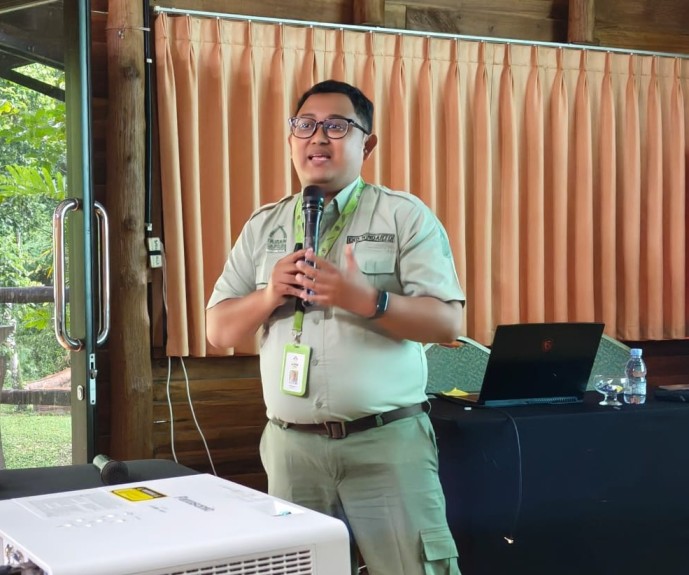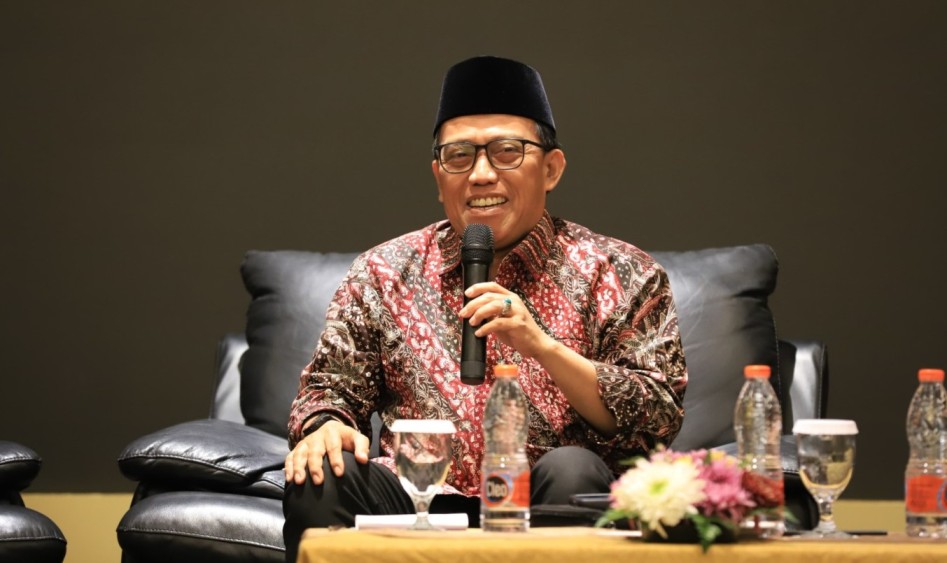
Hisab Rukyat Technical Guidance is designed to serve as a scientific forum and a platform for consolidating the competencies of astronomy practitioners across countries.
Jakarta, (Indonesia Window) – Indonesia’s Ministry of Religious Affairs has invited astronomy experts from ASEAN countries to an event on Hisab Rukyat Technical Guidance. Hisab rukyat means an Islamic lunar calculation.
The event on the 2025 Hisab Rukyat Technical Guidance is being held in Indonesia’s Wajo district, South Sulawesi province, from December 20–22, 2025, the ministry announced on its website on Friday (Dec. 19).
Hisab Rukyat Technical Guidance is designed to serve as a scientific forum and a platform for consolidating the competencies of astronomy practitioners across countries.
Participants of the event include Islamic boarding school students (santri), academics, hisab rukyat practitioners, amateur astronomers, Ministry of Religious Affairs officials, and delegates from ASEAN countries.
.jpg)
The forum brought together national astronomy experts and representatives from ASEAN countries who are members of MABIMS (Ministers of Religious Affairs of Brunei Darussalam, Indonesia, Malaysia, and Singapore).
Topics discussed included basic astronomy concepts, implementation of MABIMS criteria, crescent moon observation techniques, and the use of digital image processing technology in rukyat (the sighting of the crescent moon).
Arsad Hidayat, Director of Islamic Religious Affairs and Sharia Guidance at the Ministry of Religious Affairs, stated that the involvement of ASEAN countries is a strategic step for Indonesia in promoting the harmonization of the Hijri calendar in the region.
“Not only did we design this forum as technical training, but also as a platform to build an ASEAN astronomy scientific network so that religious decisions are based on the same scientific data,” Arsad said on Thursday (Dec. 18).
He believes strengthening regional networks is crucial because the issue of hisab (calculation of the crescent moon) is cross-border and requires common standards.
He believes that the MABIMS criteria as a regional reference have to be understood comprehensively, from both a fiqh (Islamic jurisprudence) and modern astronomy perspective, so that their application is consistent in each country.
“With a strong scientific understanding, differences can be managed academically, not made into arguments,” he said.
In addition to regional strengthening, the technical guidance also aims to enhance a sustainable national astronomy ecosystem.
Collaboration among Islamic boarding schools (locally known as pesantren), universities, and the government is considered crucial in producing astronomy human resources who not only master theory but are also skilled in the practice of astronomical observation and data analysis.
The training materials covered a study of the hilal (crescent moon) brightness limits, global astronomical references, including the concept of minimum elongation, and practical use of modern observation instruments.
The series of activities included theoretical presentations by national astronomy experts, case studies on the implementation of the MABIMS criteria, observation instrument workshops, practical hilal sighting practices in the field, and evaluative discussions to formulate follow-up measures for strengthening astronomy.
Academic visits to universities are also scheduled to strengthen institutional cooperation.
Through these activities, the Ministry of Religious Affairs aims to establish a network of astronomy cooperation between ASEAN countries, increase the capacity of participants in the theory and practice of rukyat calculations, and develop strategic recommendations for the development of astronomy in educational institutions and Islamic boarding schools.
Indonesia also hopes to strengthen its position as a reference center for modern astronomy in the region.
Reporting by Indonesia Window

COVID-19 – 70 million Indonesians receive full doses of vaccines

Indonesia’s Pertamina company uses 2D Cubed data technology to explore oil, gas

Indonesia’s development relies on capital city Jakarta

Malaysian student wins international award for sustainable animal feed invention