Indonesia maps Japanese industrial needs to expand job opportunities

14 July 2026
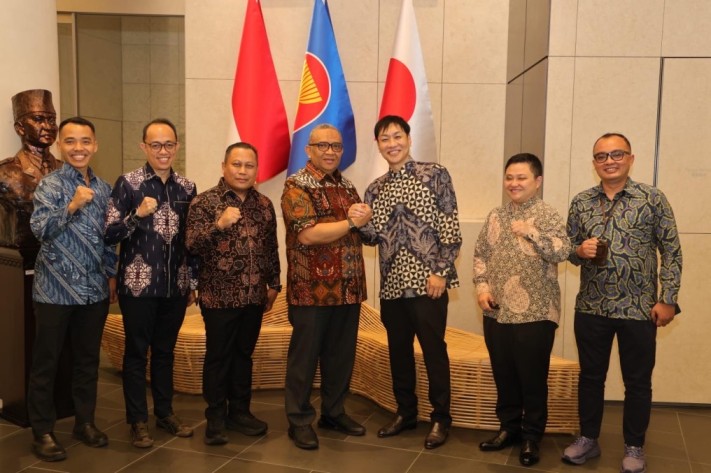
The Indonesian Ministry of Manpower was mapping the needs of Japanese industries in that country for July 8–12, 2026. (The Ministry of Manpower of the Republic of Indonesia)
Japan still offers significant opportunities for Indonesian workers, particularly in the automotive, transportation, construction, agriculture, caregiving, and other sectors requiring skilled labor.
Jakarta (Indonesia Window) – The Indonesian Ministry of Manpower is mapping Japanese industrial needs in an effort to align the preparation of Indonesian workers with the needs of businesses in that country.
The mapping was conducted by Deputy Minister of Manpower Afriansyah Noor and his delegation during a working visit to Japan from July 8–12, 2026.
During the visit, Afriansyah Noor and his delegation held dialogues with the Indonesian Embassy in Tokyo, training and placement institutions, several companies accepting Indonesian workers, and the Secretariat of the Asian Productivity Organization (APO).
From these meetings, the Indonesian Ministry gained an overview of Japanese industrial needs, workforce readiness, and protection aspects that need to be further strengthened.
The deputy minister stated that Japan still offers significant opportunities for Indonesian workers, particularly in the automotive, transportation, construction, agriculture, caregiving, and other sectors requiring skilled labor.
"We must prepare job opportunities in Japan with Indonesian workers who possess competencies that meet industry needs. Human resource development is not only about technical skills, but also language skills, understanding of work culture, and readiness to adapt," he said in a press release from the Ministry of Manpower's Public Relations Bureau on Monday (July 13, 2026).
According to him, Japanese partners have positively assessed Indonesian workers because they are considered to have good adaptability.
However, the quality of the workforce still needs to be strengthened, particularly in practical skills, Japanese language proficiency, mastery of technical terminology, occupational safety, discipline, and understanding of work culture to better align with Japanese corporate standards.
One important finding from the visit was the need for training that more closely mirrors real-world work conditions in Japanese companies.
In the automotive sector, for example, companies emphasize the importance of mastering vehicle maintenance practices, basic inspections, occupational safety, and maintaining the quality and tidiness of work areas.
Furthermore, communication skills and the ability to carry out work procedures in a disciplined manner are also a priority.
The Ministry of Manpower also noted that Japanese language proficiency is a important factor in supporting the readiness of the Indonesian workforce.
Therefore, training includes not only everyday language skills but also technical language used in the workplace, including safety terms and operational communication.
Afriansyah Noor emphasized that direct input from Japanese companies is crucial for the Indonesian Ministry of Manpower to continuously improve the implementation of vocational training in Indonesia.
"We want to ensure that vocational training truly meets industry needs. Direct input from Japanese companies is important for improving the curriculum, enhancing instructor quality, and strengthening practice-based learning," he noted.
In addition to improving competency, the visit also discussed strengthening the protection of Indonesian workers in Japan, from mentoring and complaint services to providing mental readiness, adaptability, and Japanese work culture, such as discipline, punctuality, compliance with regulations, and communication in the workplace.
The meeting with the APO Secretariat also discussed opportunities to strengthen cooperation in the productivity sector, including human resource capacity development, strengthening productivity certification, and utilizing innovation and technology to increase the competitiveness of the Indonesian workforce.
The results of the mapping of Japanese industrial needs provide input for the Ministry of Manpower in aligning vocational training programs, competency certification, and workforce preparation to better align with business needs and developments in the global job market.
"The results of this visit provide important input for the Ministry of Manpower to strengthen the preparation of the Indonesian workforce, from training, certification, placement, to protection. Hopefully, the Indonesian workforce will be increasingly prepared to compete and obtain quality job opportunities," he said.
Reporting by Indonesia Window
Bagikan

Komentar
Berita Terkait
Indonesia to draw tourists through 'Arabian Travel Market Dubai
Indonesia
•
03 May 2023
COVID-19 – Indonesia kicks off mass vaccination for reporters, targeting 5,512 persons
Indonesia
•
25 Feb 2021
Indonesian minister supports government-UNICEF synergy towards golden generation
Indonesia
•
21 Apr 2026
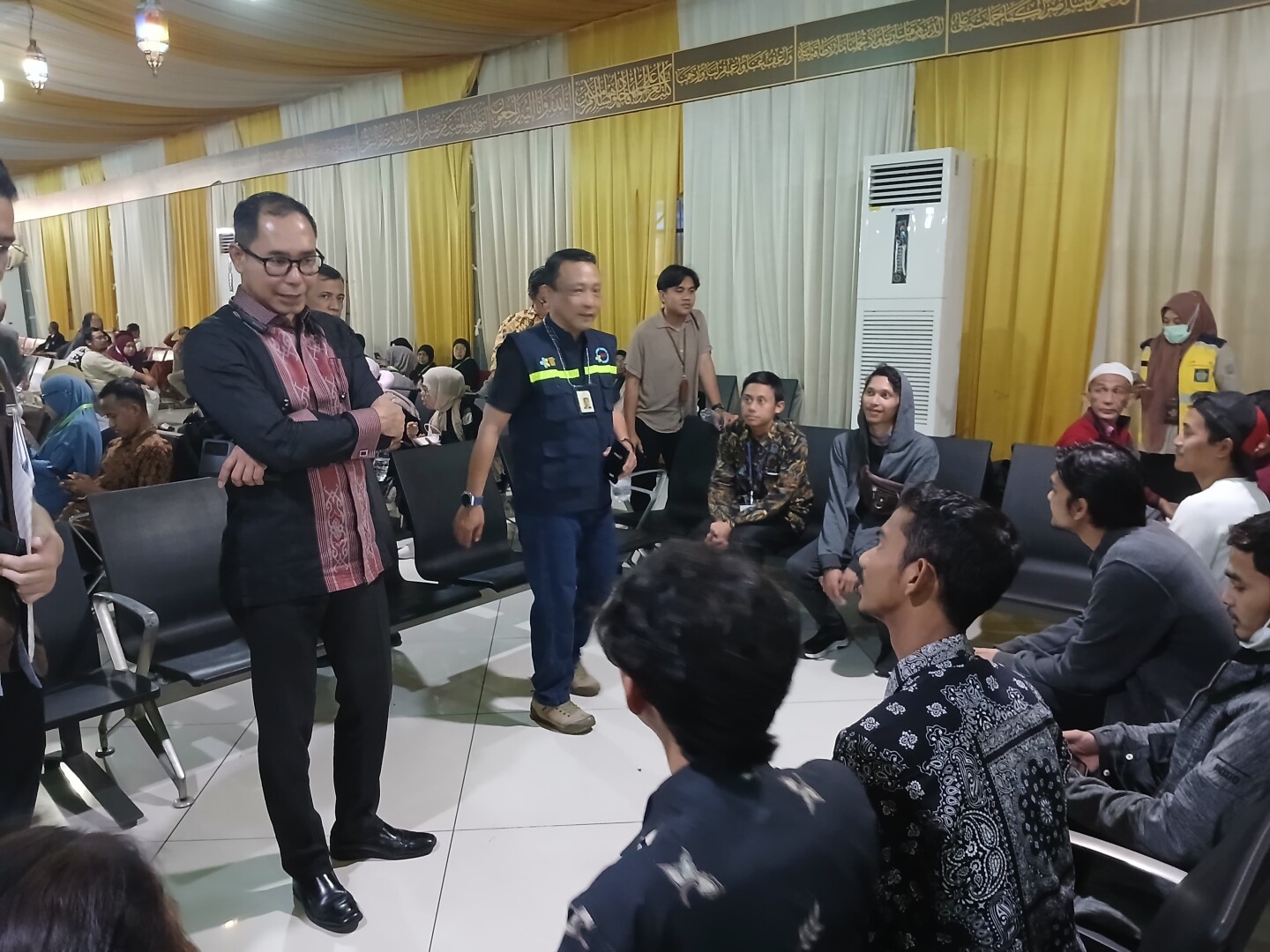
14 more Indonesians have been evacuated from Lebanon
Indonesia
•
12 Oct 2024


Berita Terbaru
Opini – Foreign Minister Tata and the Future of Multilateralism: Indonesia and the UN in a Changing World Order
Indonesia
•
24 Oct 2026

Badr MoU: Indonesia’s move to expand cooperation in defense industry with Türkiye, Qatar, Pakistan
Indonesia
•
22 Oct 2026

Muhammad used as target of mockery by U.S. president, Indonesia’s Jama’ah Muslimin issues strong protest
Indonesia
•
20 Oct 2026
Islamic Study – Allah has guaranteed rizq; Why do we still worry?
Indonesia
•
18 Oct 2026