Study reveals link between asymmetric bipolar ice sheet melting and global climate change

03 August 2024
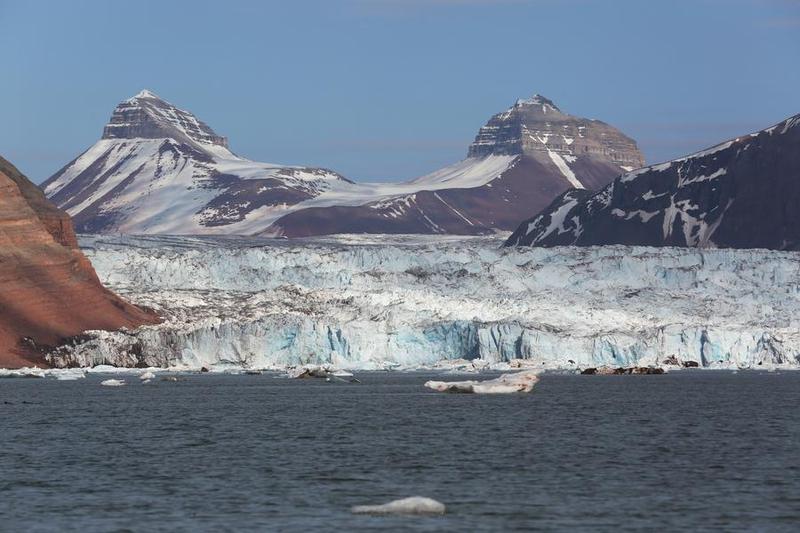
This photo taken on June 22, 2024 shows a view of melting glacier in Svalbard, Norway. (Xinhua/Zhao Dingzhe)
Antarctic ice sheet growth and Southern Ocean sea ice expansion played in triggering the Mid-Pleistocene Transition (MPT), which was a period marked by the extensive formation of ice sheets and a drop in sea surface temperatures.
XI'AN, China (Xinhua/Indonesia Window) – A study has revealed the important role that Antarctic ice sheet growth and Southern Ocean sea ice expansion played in triggering the Mid-Pleistocene Transition (MPT), which was a period marked by the extensive formation of ice sheets and a drop in sea surface temperatures.The study was conducted by researchers at the Institute of Earth Environment of the Chinese Academy of Sciences (CAS), in collaboration with researchers at other domestic and international institutes, and was published on Thursday (Aug. 1) in the international academic journal Science.The research results suggest that there was substantial growth in Antarctic ice sheets 1.25 million to 2 million years ago. The ice sheet growth and associated Southern Ocean sea ice expansion led to northern high-latitude cooling, more vigorous moisture transport to the Northern Hemisphere, and the subsequent growth of the Northern Hemispheric ice sheet, thereby triggering the MPT.According to CAS academician An Zhisheng, the study will contribute to assessments of modern global warming, which is already inducing the asymmetric bipolar melting of ice sheets. The Northern Hemisphere ice sheet and Arctic Ocean sea ice have been experiencing accelerated melting, while the Antarctic cryosphere has been melting at a relatively slow rate, he noted.He said that the study will increase awareness of the importance of quantitatively assessing the link between the asymmetric bipolar melting of ice sheets and global climate change.Reporting by Indonesia WindowBagikan

Komentar
Berita Terkait

Indonesian school students make bioplastics from rubber seed starch
Indonesia
•
10 Nov 2019

Indonesia's research agency finds highest carbon emissions from seagrass in Java and Sumatra
Indonesia
•
17 Jan 2026

Deep sea research explores Indonesian Throughflow
Indonesia
•
27 Nov 2019
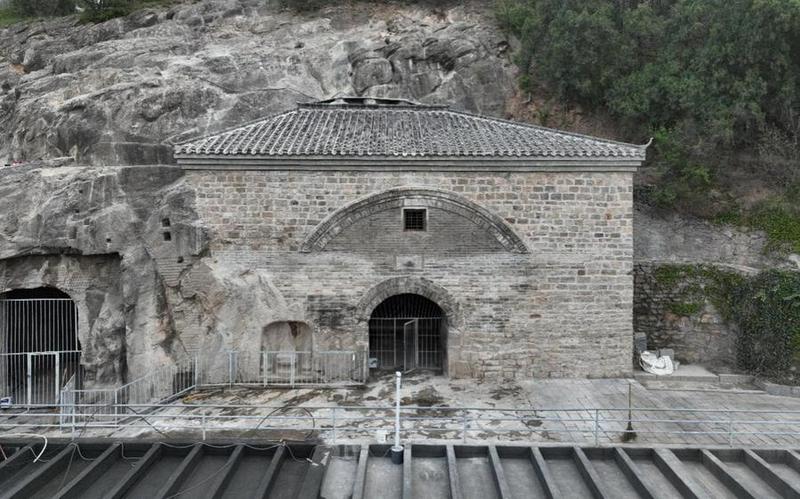
Stone carvings found inside cave of China's Longmen Grottoes
Indonesia
•
13 Apr 2024


Berita Terbaru

Feature – Humanoid robots shatter human record, showcase autonomy at Beijing half marathon
Indonesia
•
24 Apr 2026
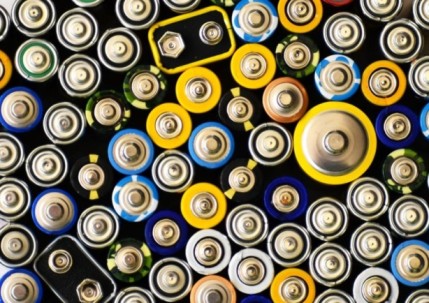
Indonesian researchers develop LFP batteries from iron, steel industrial waste
Indonesia
•
20 Apr 2026
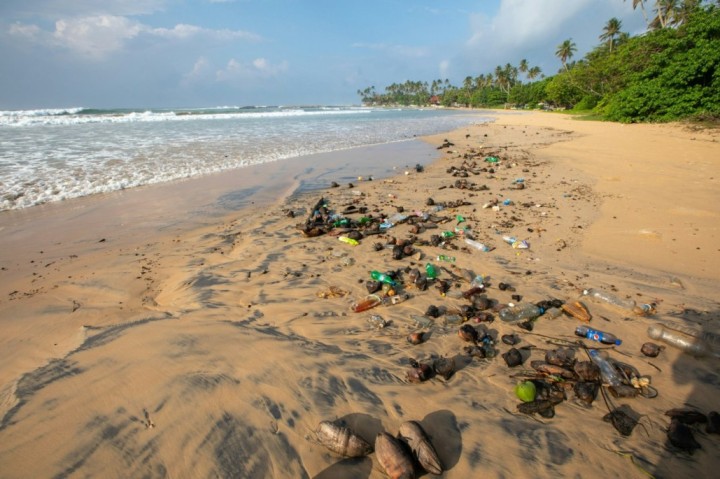
Waste-processing vessel offers solution for coastal, small island areas
Indonesia
•
20 Apr 2026
Indonesia’s B50 test in mining sector shows positive results
Indonesia
•
07 Apr 2026