China's breakthrough in treating hypertrophic heart disease garners global attention

31 July 2024
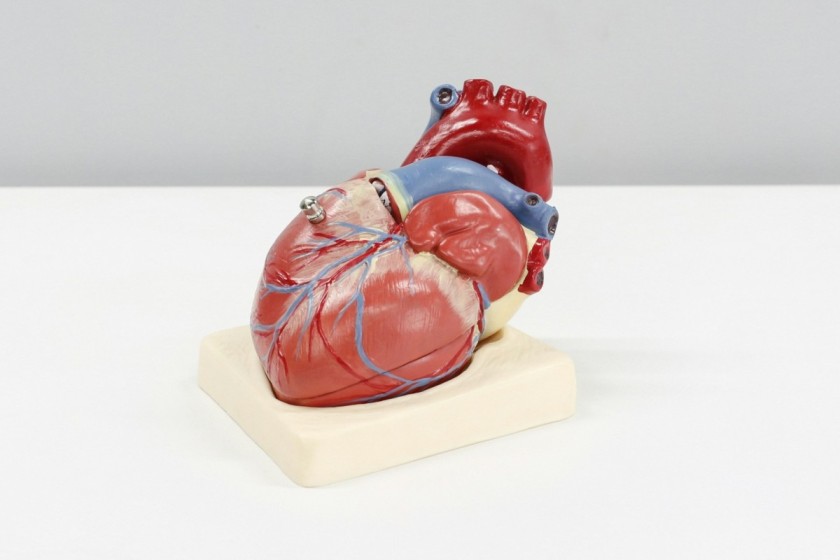
Illustration. (Ali Hajiluyi on Unsplash)
The novel transapical beating-heart septal myectomy procedure has broken through the limitations of traditional open-chest procedures, allowing for the precise resection of hypertrophic myocardium without the need for chest opening, cessation of the heartbeat, or blood transfusion.
Wuhan, China (Xinhua/Indonesia Window) – Chinese researchers have pioneered a beating-heart myectomy system and developed a minimally invasive procedure to treat hypertrophic obstructive cardiomyopathy (HOCM), attracting global attention.The study was conducted by a research team led by Wei Xiang, a professor at the Tongji Hospital in Wuhan, and was published in the Journal of the American College of Cardiology.It is estimated that there are about 2 to 5 million patients with HOCM in China, and the global population of such patients stands at approximately 15 to 20 million, posing a serious threat to human health.Currently, the conventional treatment for HOCM is through open-chest surgery to resect the hypertrophic myocardium. This surgical method is not only highly invasive but also technically challenging, with suboptimal outcomes and high mortality rates in hospitals with less experience.The novel transapical beating-heart septal myectomy procedure has broken through the limitations of traditional open-chest procedures, allowing for the precise resection of hypertrophic myocardium without the need for chest opening, cessation of the heartbeat, or blood transfusion."In the field of HOCM surgery, we used to follow the world, but now we are keeping pace with it or even leading," Wei said.Wei was recently invited to the Mayo Clinic, a world-renowned cardiovascular treatment center in the United States, to discuss this groundbreaking medical breakthrough. Cardiac surgeons from countries and regions such as the United States, Switzerland and Italy have also traveled to China to learn about the technology.Reporting by Indonesia WindowBagikan
Komentar
Berita Terkait

Indonesian science of institute uses MONMANG apps to monitor mangroves
Indonesia
•
07 Aug 2020
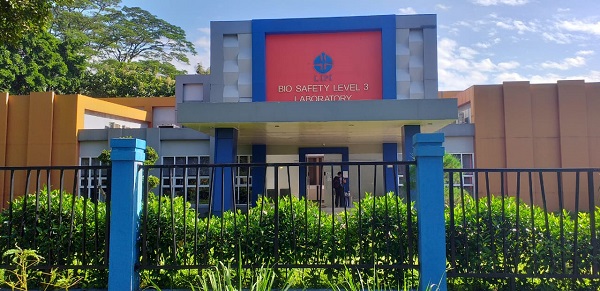
COVID-19 - Indonesian Science Institute has COVID-19 examination laboratory
Indonesia
•
15 May 2020
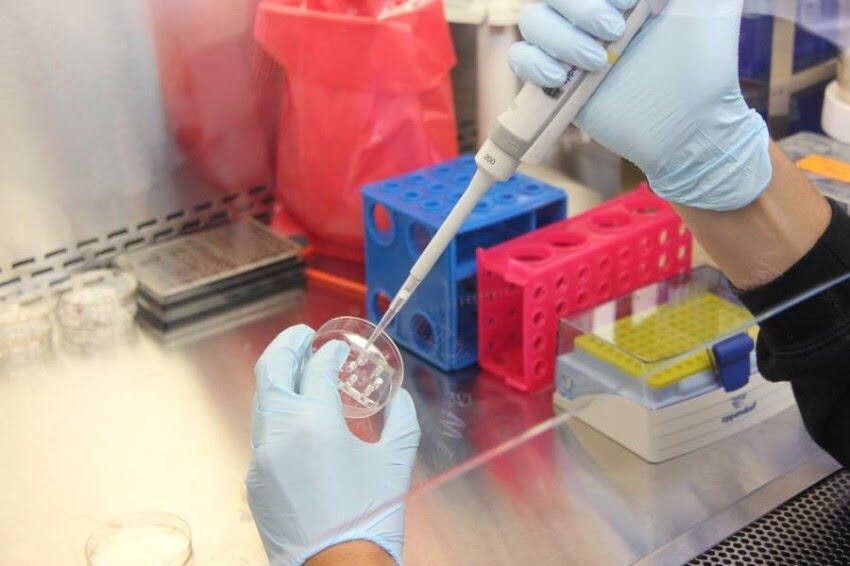
COVID-19 - UAE researchers gain IP protection for COVID-19 new stem-cell treatment
Indonesia
•
10 Jun 2020
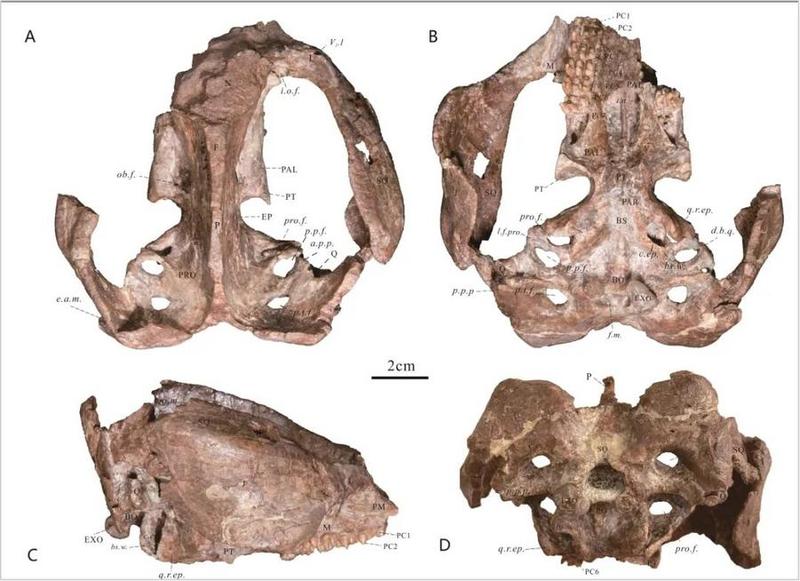
Prehistoric reptile fossil found in China's Three Gorges area
Indonesia
•
13 Apr 2024
Berita Terbaru

Opinion – From Taiwan’s experience to international solutions: Building a more resilient global undersea cable security network through the RISK Initiative
Indonesia
•
22 Feb 2026
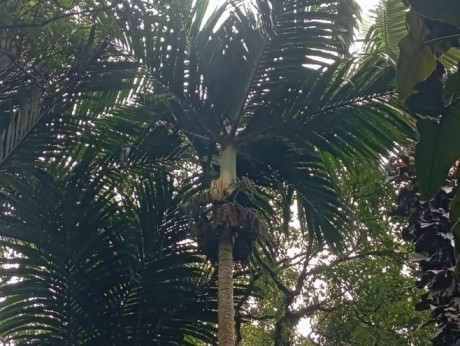
Nyabah palm in endangered, Indonesian scientists secures genetic blueprint to save Balinese heritage
Indonesia
•
28 Jan 2026

Indonesia's research agency finds highest carbon emissions from seagrass in Java and Sumatra
Indonesia
•
17 Jan 2026
News Focus – Genetic loss makes Indonesia's endemic bull vulnerable to climate change
Indonesia
•
21 Dec 2025