Feature - Giant Panda Cub 'Rio' born in Indonesia, symbolizing hope and strength

08 December 2025

Taman Safari Indonesia (TSI/the Indonesian Safari Park) announced the birth of Rio, a giant panda cub, on November 27, 2025, with its conservation facility located in Cisarua sub district, Bogor district, West Java rovince. (Taman Safari Indonesia/TSI)
A giant panda cub was born in Indonesia, named Satrio 'RIO,' which means 'knight' or 'hero' in Indonesian, symbolizing the hope and strength.
Bogor, West Java (Indonesia Window) - Affirming its role as a credible conservation institution, Taman Safari Indonesia (TSI/the Indonesian Safari Park) officially announced the birth of a giant panda cub on November 27, 2025, with its conservation facility in Indonesia’s Cisarua sub district, Bogor district, West Java province.This historic achievement enhances Indonesia's position in the conservation of endangered species globally, especially as the global giant panda population is estimated at only around 1,900 individuals.The birth is the result of a long-term international collaboration program that has been ongoing for a decade, since the arrival of giant pandas Huchun and Caitao to Indonesia in 2017 as part of a 10-year conservation partnership with China.TSI expresses its deep gratitude and joy for the birth, which is a proud year-end achievement for Indonesia and a symbol of progress in international conservation collaboration.TSI also expresses its sincere appreciation to the Chinese Government and its scientific team for their consistent support throughout the pregnancy and birth.The success reflects the effectiveness of the science-based reproduction program developed by TSI with ongoing technical support from Chinese experts.The reproduction process involves highly precise hormone monitoring, close behavioral observation, and the implementation of international animal welfare standards, given that female pandas are only fertile for 24–72 hours per year.On November 30, nursery specialists from the Panda Center also arrived in Indonesia to support the initial care of the panda cub, ensuring optimal care during this crucial developmental phase.With the achievement, Indonesia joins other ASEAN countries that have successfully welcomed the birth of a panda cub, affirming the nation's ability to meet international standards for the management and protection of endangered species.The panda cub is currently in stable condition and is being monitored around the clock by the TSI Life Science team, demonstrating good early developmental indicators such as healthy vocalizations, effective suckling, and consistent weight gain.In the next 30–60 days, the panda cub is expected to experience significant development, including improved ability to regulate body temperature, fur growth, eye opening, and early motor skills.Experts from the China Conservation and Research Centre for the Giant Panda (CCRCGP) remain on-site to provide technical assistance, strengthening bilateral collaboration in conservation science.At this early stage, the baby panda is not yet accessible to the public. TSI will continue to prioritize the health and well-being of the mother and her baby, and invites the public to join in praying for the baby's healthy and safe development during its early years.On December 4, Indonesian President Prabowo Subianto officially named the baby panda, Huchun, Satrio 'RIO,' which means 'knight' or 'hero' in Indonesian, symbolizing the hope, strength, and shared commitment of Indonesia and China to protecting endangered species.The achievement reaffirms Taman Safari Indonesia's role as a credible and forward-looking conservation institution dedicated to wildlife protection, scientific research, and environmental education through structured breeding programs and long-term international partnerships.Reporting by Indonesia WindowBagikan
Komentar
Berita Terkait
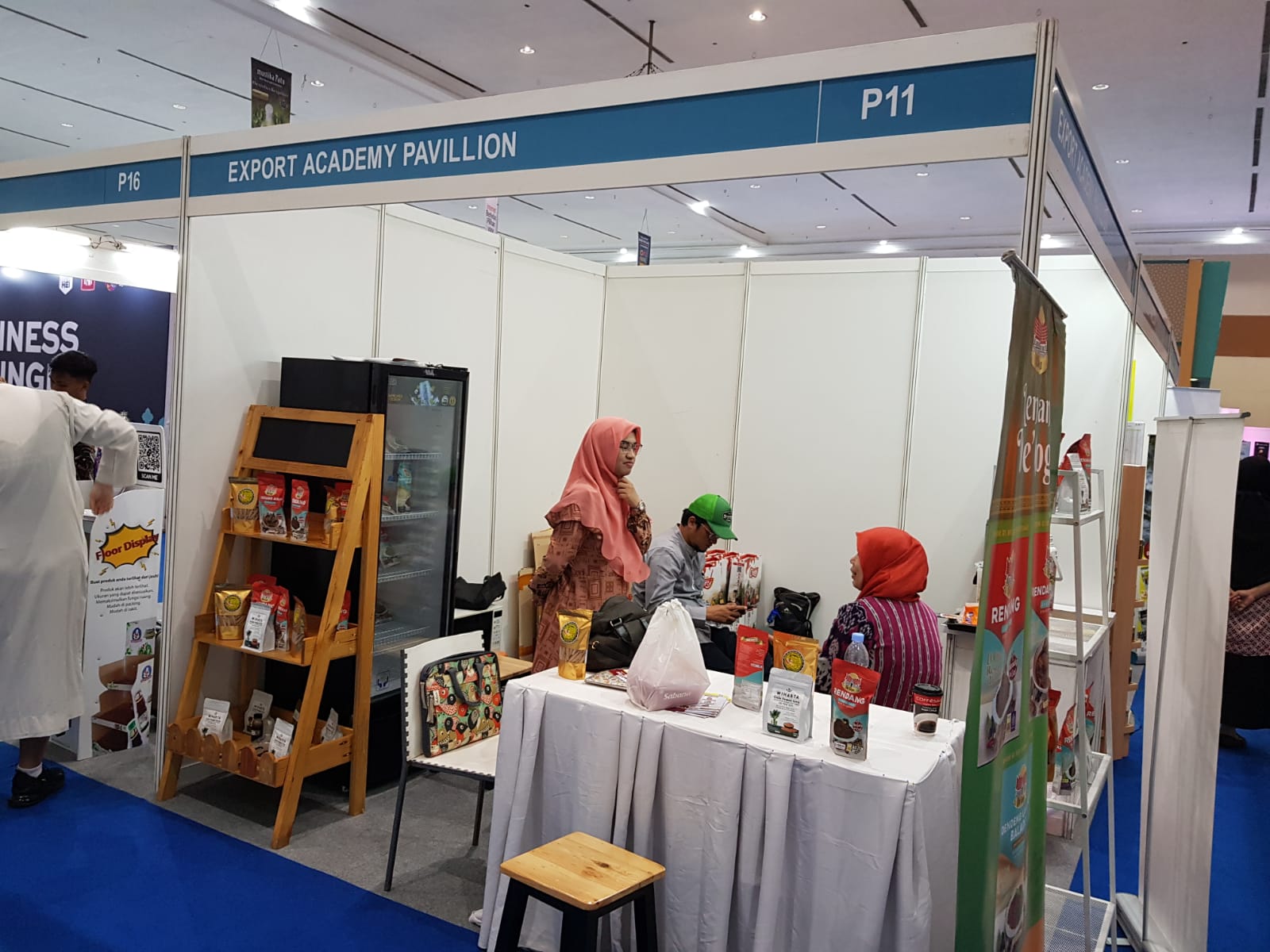
News Focus – Export aggregator Usindo Exim targets Indonesian MSMEs to penetrate U.S. market
Indonesia
•
28 Oct 2023
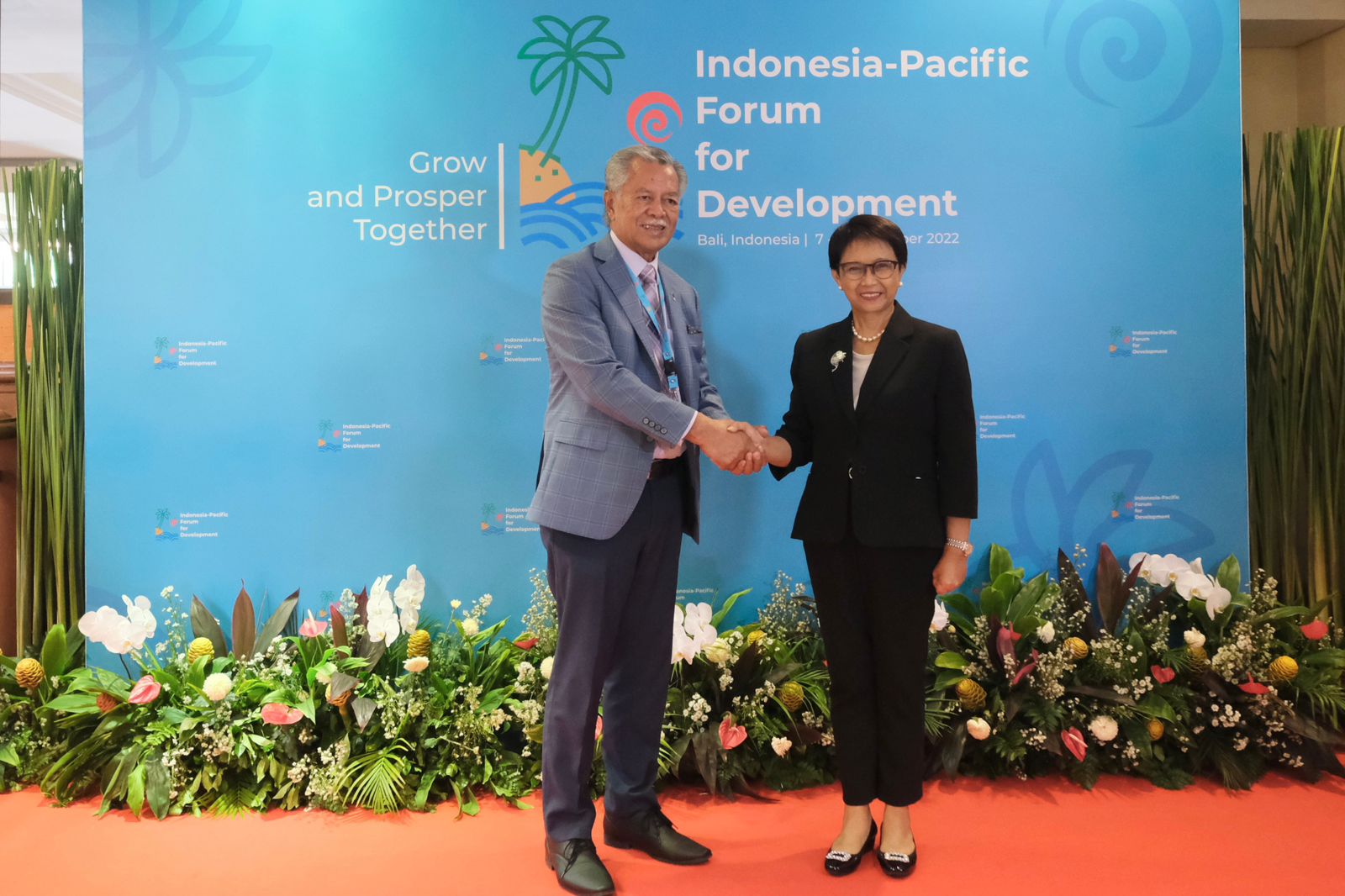
Indonesia holds bilateral meetings with Pacific countries
Indonesia
•
08 Dec 2022
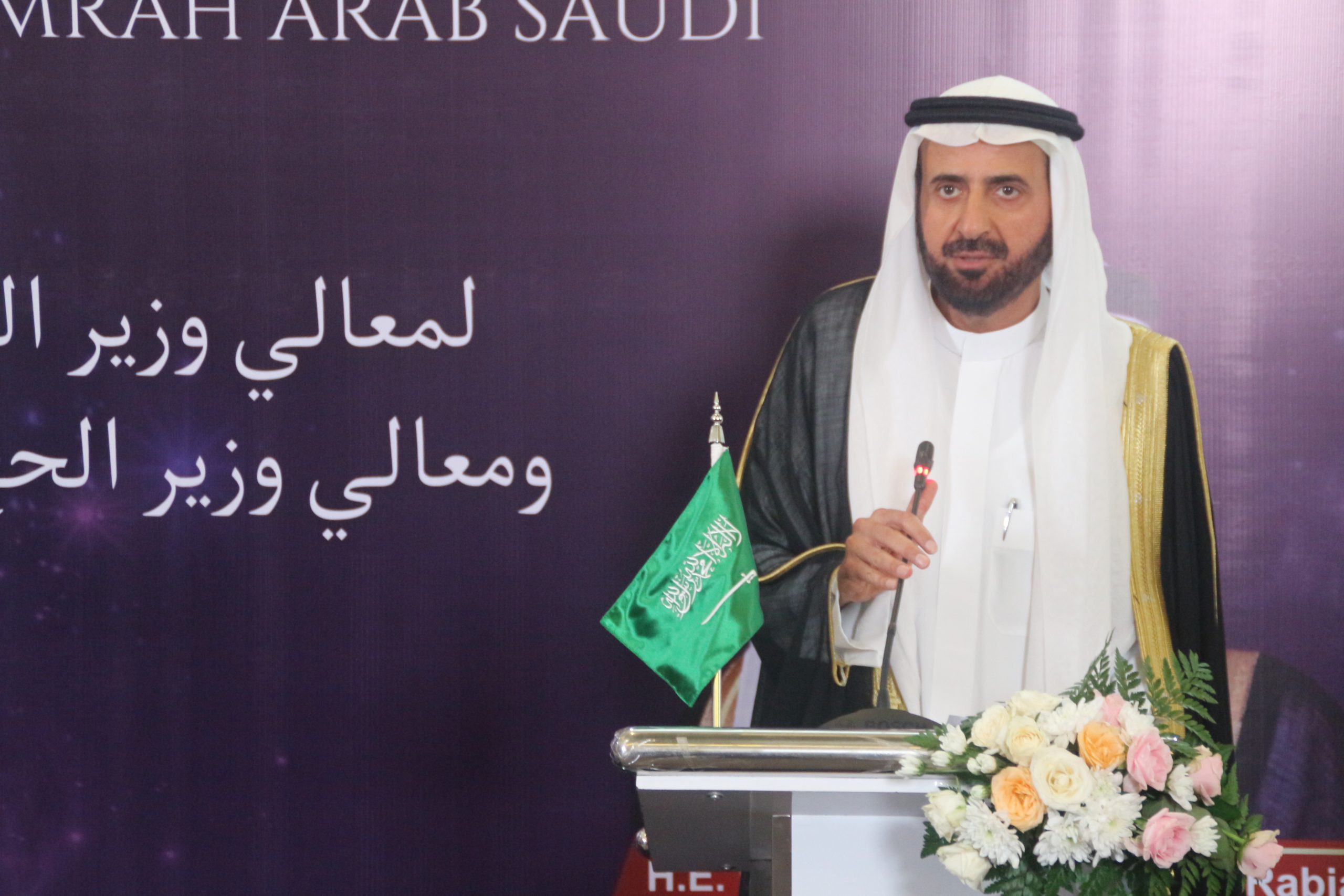
Saudi Minister: Hajj visa regulation under fatwa, violations make pilgrimage invalid
Indonesia
•
01 May 2024
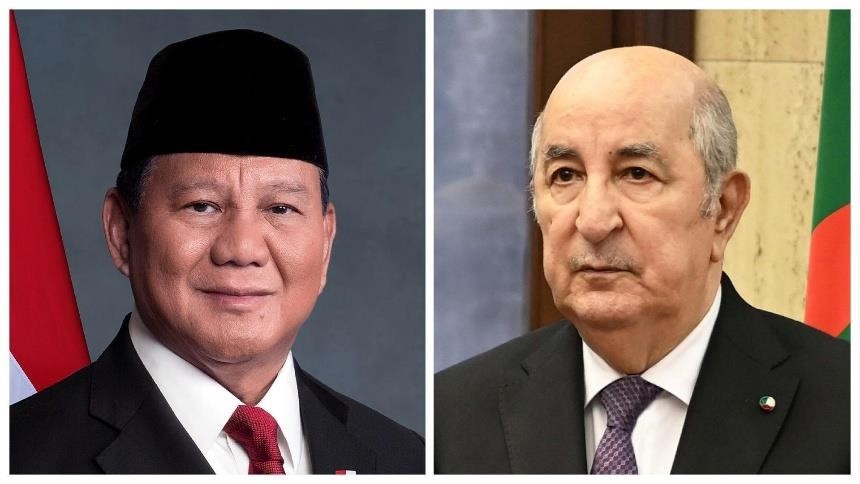
Indonesia congratulates Algeria on Liberation Revolution Anniversary
Indonesia
•
11 Nov 2025
Berita Terbaru

Interview – Prof. Hikmahanto: US, Israel war on Iran to overthrow government
Indonesia
•
02 Mar 2026
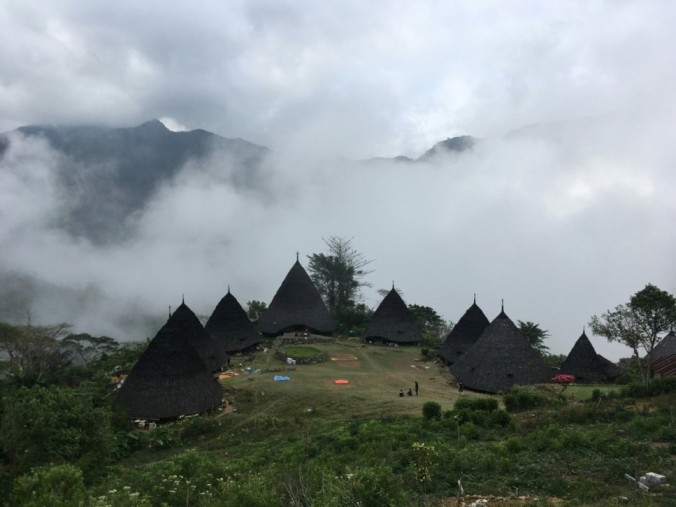
Halal products accepted by non-Muslims in Indonesia’s E Nusa Tenggara, proof of inclusive Islam
Indonesia
•
02 Mar 2026
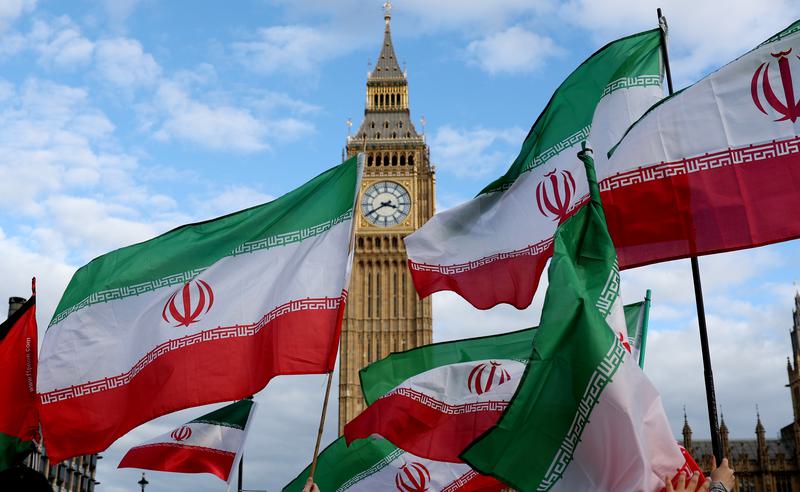
Iran expects Indonesia to mediate conflict after US, Israeli deadly attack
Indonesia
•
01 Mar 2026
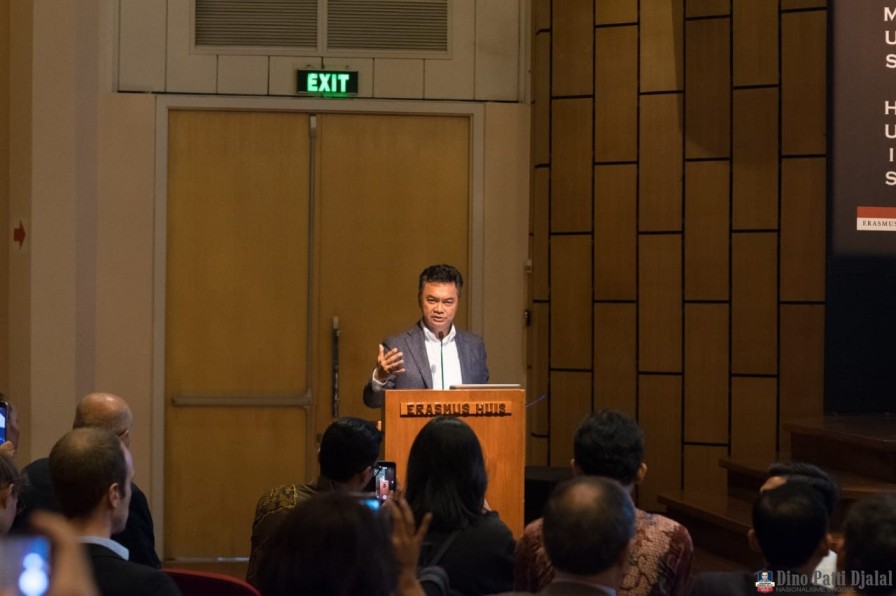
Opinion – Dino Patti Djalal: Iran won’t remain silent about US and Israeli attacks
Indonesia
•
01 Mar 2026