Year Ender – South Kalimantan's faunal mascot, bekantan threatened to extinct

01 January 2026
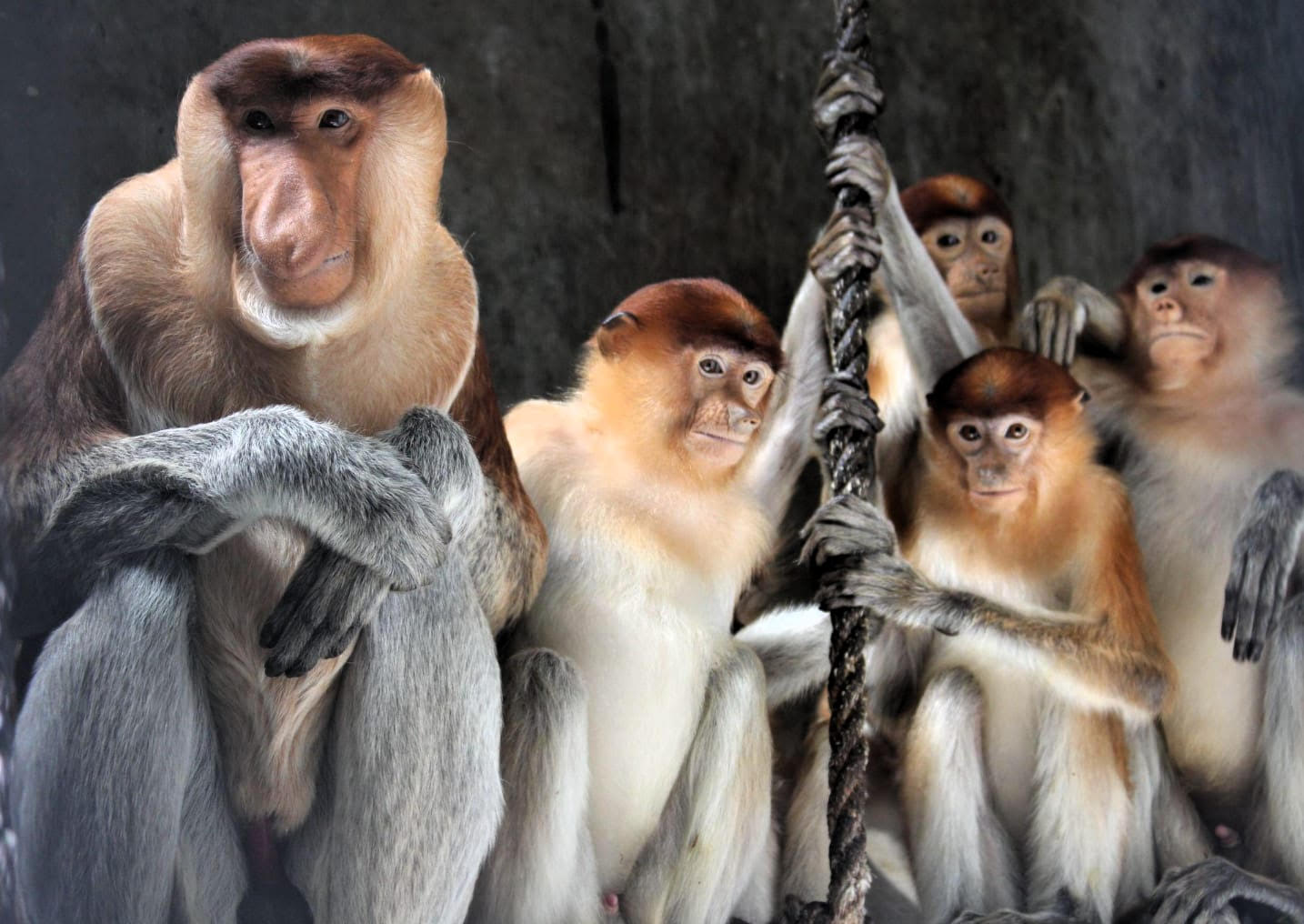
South Kalimantan's faunal mascot, bekantans (proboscis monkey). (Jochen Menner, TSI Prigen)
Bekantan (proboscis monkey) is an indicator species for wetland ecosystems; if its population remains high, it means the wetland ecosystem is still healthy.
Banjarmasin, S. Kalimantan (Indonesia Window) – With its endangered status, bekantan (proboscis monkey) has been chosen as a conservation focus, despite existing government policies.Amalia Rezeki, a biology lecturer at Lambung Mangkurat University (ULM) in Indonesia’s South Kalimantan province, made the remarks while presenting material on bekantan conservation to several students of Taruna Nusantara High School in Banjarmasin City, South Kalimantan, on December 21, 2025.According to Amalia, bekantan (Nasalis larvatus) is one of 25 national priority species that has included in a conservation strategy and action plan, although the document on it needs to be evaluated and updated.Bekantan (proboscis monkey) is important because it is an indicator species for wetland ecosystems, she said, adding that if the primate's population remains high, it means the wetland ecosystem is still healthy."Thde wetland ecosystem is very important for humans because it plays a role in absorbing carbon and mitigating climate change. Wetland forests store carbon not only through trees but also through mud and fallen leaf litter. If wetland forests are damaged, carbon will rise into the atmosphere, causing increased temperatures and climate change," she noted.Furthermore, fallen leaf litter provides food for fish and shrimp, which in turn provide a livelihood for fishing communities, she said, explaining that all of this demonstrates the interconnected cycle of life.Amalia further explained that bekantan also play a vital role in forest regeneration, as their movement from branch to branch helps open the tree canopy, allowing sunlight to enter and supporting the growth of understory plants.The long-nosed primate feeds on leaf buds and fruits. This activity stimulates tree growth and helps disperse seeds through their droppings, making these charismatic animals both agents of forest regeneration and biodiversity.Because of this dual role, bekantan is considered a keystone species in maintaining the balance of wetland ecosystem, the ULM lecturer said.Protected animalBekantan is also protected wildlife under various policies, including the Ministerial Regulation of the Environment and Forestry of 2018, Law Number 32 of 2024, which regulates criminal sanctions and fines, and the Government Regulation on animal welfare."The public is not permitted to keep, trade, or consume bekantan. Besides damaging the ecosystem, keeping the wild animal also carries the risk of transmitting zoonotic diseases that can be transmitted to humans," Amalia explained.Bekantan conservation efforts are carried out through various programs, ranging from education, rescue and evacuation during forest fires, to rehabilitation and release.The major forest fires of 2015 were a crucial moment because many bekantans and other animals were affected, she noted.In addition, population monitoring has shown that the bekantan population tends to increase in conservation areas, but decrease outside of them.In some areas, including Banjarmasin City, bekantan have even experienced local extinction.To save bekantan, the key is to protect its habitat through ecosystem restoration, particularly mangroves and wetland forests, Amalia pointed out, adding that restoration is not just about planting trees, but rather restoring the ecosystem's overall function.EducationPublic education includes understanding that preserving trees along riverbanks is expected to increase agricultural productivity while reducing saltwater intrusion and pest attacks.Furthermore, the bekantan ecotourism is being developed as an effort to provide economic value to the community while still prioritizing conservation principles.Amalia further stated that this ecotourism differs from conventional nature tourism because it prioritizes environmental preservation.Through research, education, habitat restoration, and ecotourism, it is hoped that bekantan and Kalimantan's wetland ecosystem would be preserved.In their social life, bekantans live in groups and exhibit harmonious behavior. They are not aggressive, do not compete for territory, and group leaders are chosen naturally without conflict.Females play a collective caregiving role, with young females often helping to care for the young. Meanwhile, group leaders are responsible for protecting weaker members, including when moving.Due to their calm, protective, and dignified nature, bekantan is often referred to as a charismatic primate and is considered a symbol of harmonious leadership.Bekantan babies are born black and turn yellow as they grow older. The proboscis monkey has a slow reproductive rate due to its long and attentive care period for their young.All of these characteristics make bekantan highly vulnerable to environmental disturbances, while also making it an important symbol for nature conservation and a balanced life.Bekantan has a very limited reproductive system. A female produces only one offspring at a time. However, mating does not always result in the birth of a child, especially when environmental conditions are unfavorable.If their habitat experiences pressure, noise, or stress due to human disturbance and land conversion, even if mating or copulation occurs, bekantan may not necessarily reproduce.This situation is similar to that in humans, where stress levels can affect the readiness to have offspring.Reporting by Indonesia WindowBagikan

Komentar
Berita Terkait
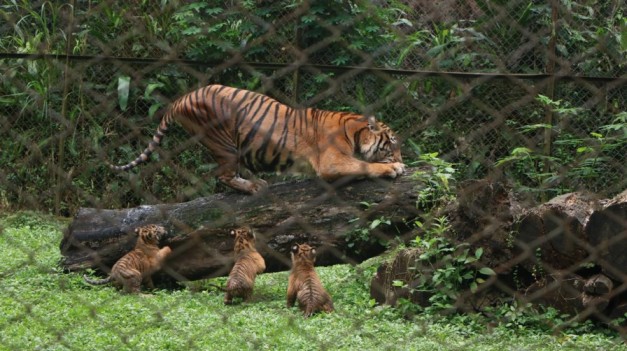
Taman Safari Indonesia II Prigen welcomes four newly-born Sumatran tiger cubs
Indonesia
•
04 Jun 2026

COVID-19 – 37.6 million Indonesians receive second doses of vaccines
Indonesia
•
04 Sep 2021

Indonesia to increase 16.7 gigawatts of capacity in a decade
Indonesia
•
24 Sep 2020
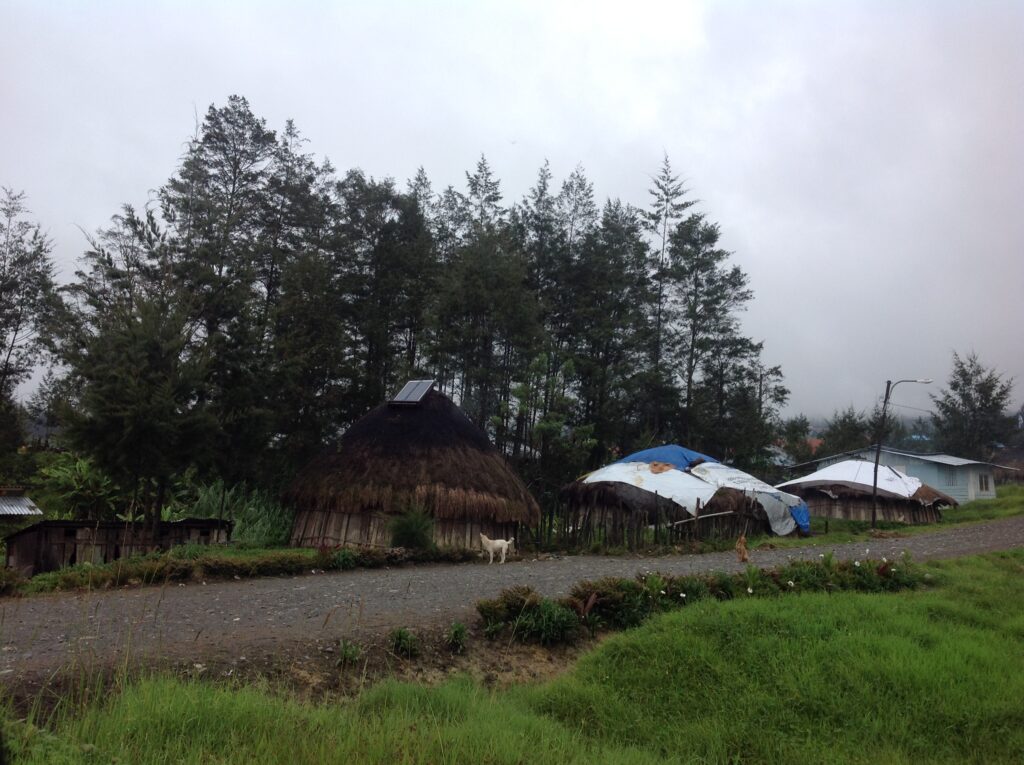
Indonesia to build 1.1 GW renewable energy plant next year
Indonesia
•
27 Nov 2021


Berita Terbaru

Minister: Airports affected by Mount Anak Krakatau volcanic ash reopen
Indonesia
•
08 Sep 2026

TETO: Sudut Pandang is one of important mass media in Indonesia
Indonesia
•
06 Sep 2026
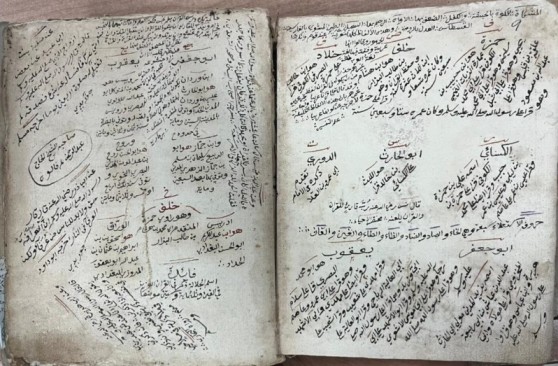
Feature – Preserving 180-year-old legacy: UIN Ar-Raniry digitizes Quranic manuscript of Acehnese scholar
Indonesia
•
29 Aug 2026

Opinion – Prophet Muhammad ﷺ and journey toward literacy, ecological awareness
Indonesia
•
27 Aug 2026