A number of people in Indonesia still need literacy on zakat

26 August 2025
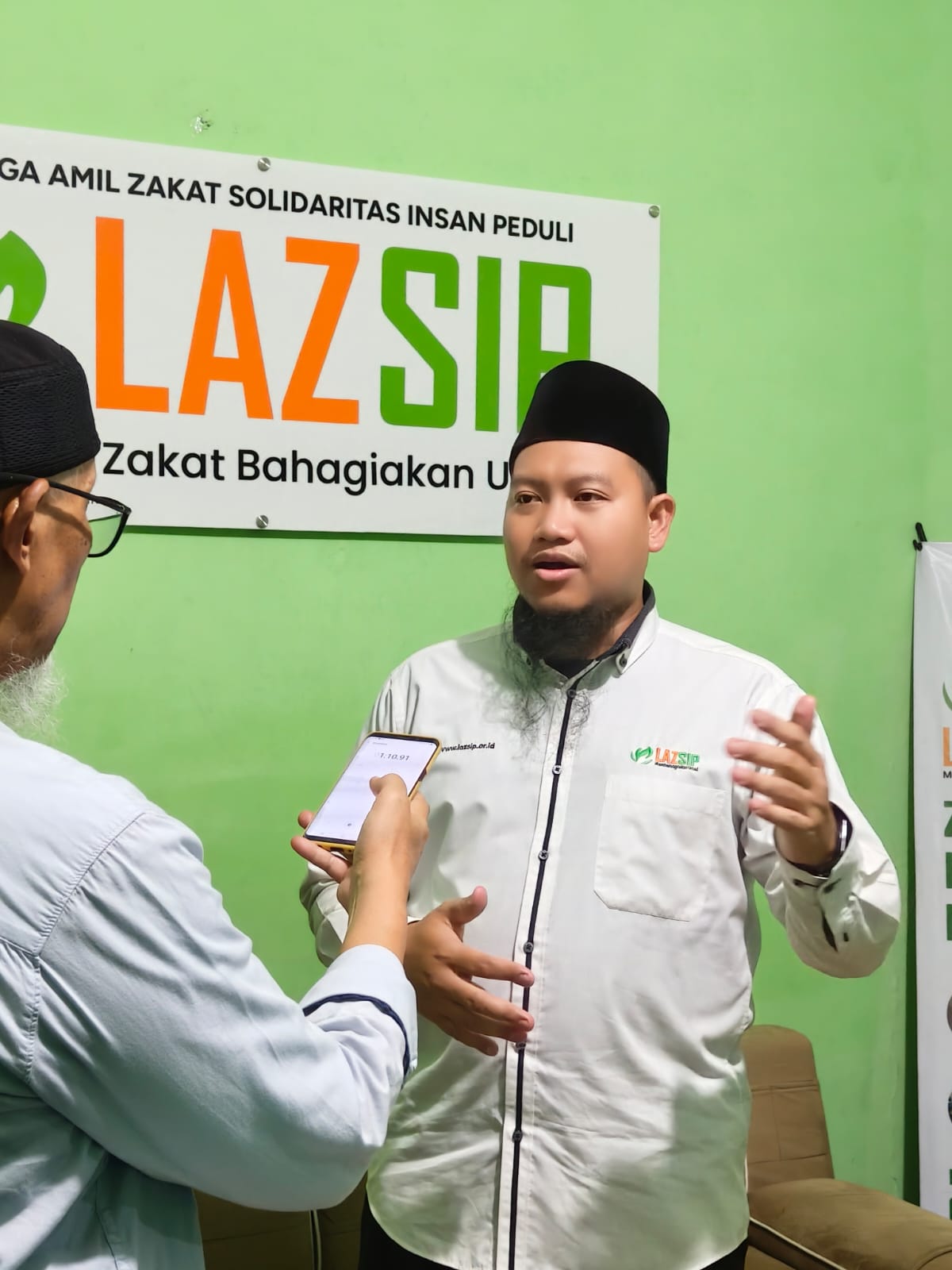
The chairman of an institution of collecting zakat in Indonesia, calling itself Lembaga Amil Zakat Solidaritas Insan Peduli (LAZ SIP), Ustadz. Muhammad Irfandi, Lc., gave a press statement to Indonesia Window at the LAZ SIP office in Cileungsi sub-district, Bogor district, West Java province, on Tuesday (August 26, 2025). (Indonesia Window)
Zakat in Indonesia keeps on growing, however many people in the country especially Muslims still have no idea about this obligatory payment according to the Islamic law.
Bogor, West Java (Indonesia Window) – Zakat in Indonesia is continuing to grow, however a number of people especially Muslims, communities and companies still have no idea about this obligatory payment according to the Islamic law.An institution of collecting zakat in Indonesia, calling itself Lembaga Amil Zakat Solidaritas Insan Peduli (LAZ SIP) and the Indonesian Muslim Entrepreneurs Community in Bogor, West Java, locally known as Komunitas Pengusaha Muslim Indonesia (KPMI) Korwil Bogor signed a memorandum of understanding (MoU) on Tuesday in an effort to make those entities understand zakat.The MoU among others concerns a program on mentoring and business empowerment programs for people or communities in need."This program aligns with LAZ SIP's commitment to providing services to mustahik (zakat recipients) through empowerment," Ustadz Muhammad Irfandi, Lc., Chairman of LAZ SIP, said following the signing of the memorandum of understanding at the LAZ SIP office in Indonesia’s Cileungsi sub-district, Bogor district, West Java province.The LAZ SIP Chairman stated that the business empowerment program is planned to begin in January 2026, targeting 20 participants as the first batch in the Bogor area, particularly in Cileungsi sub-district which is LAZ SIP's primary working area.According to Ustadz Irfandi, the program participants are those in the decile five (D5) category, namely those who are considered poor but still able to survive."To survive and thrive, they need a place of business, business knowledge, and business capital, so they can eventually become munfik (donors of alms) or mushoddiq (givers of charity). They can even become muzakki (givers of zakat)," he explained.Decile five (D5) is a group of people in the top 40-50 percent of the overall welfare distribution.This category is generally associated with mediocre economic conditions, but they are still eligible for social assistance, such as non-cash food assistance and dues assistance recipients under the National Health Insurance program managed by the Social Security Administration Agency.“There are seven stages that we have discussed together, starting from participant selection, training and mentoring programs, to the marketing stage," he said, adding that the business empowerment program will last for three years.He hopes that the first batch of the business empowerment program, along with the KPMI Korwil Bogor, would run smoothly and produce strong and independent entrepreneurs."God willing, if this program runs smoothly, the seven stages can be shortened depending on the participants' conditions, so we can open a second batch, at least after six months," he pointed out.Reporting by Indonesia WindowBagikan

Komentar
Berita Terkait

Singapore targets Indonesia as main business market
Indonesia
•
03 Jun 2022
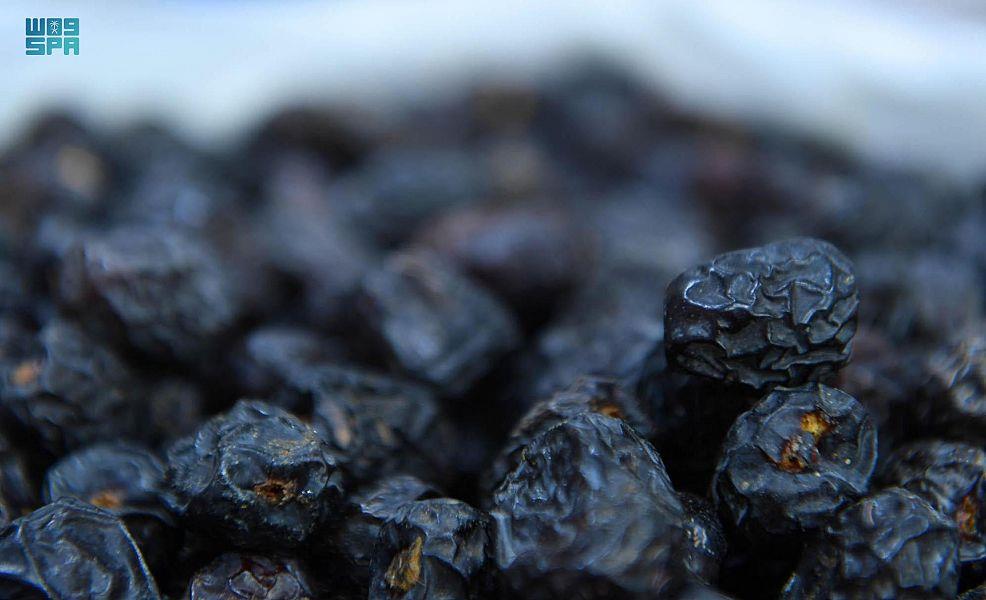
Saudi dates global exports reach 107 destinations
Indonesia
•
16 Dec 2021
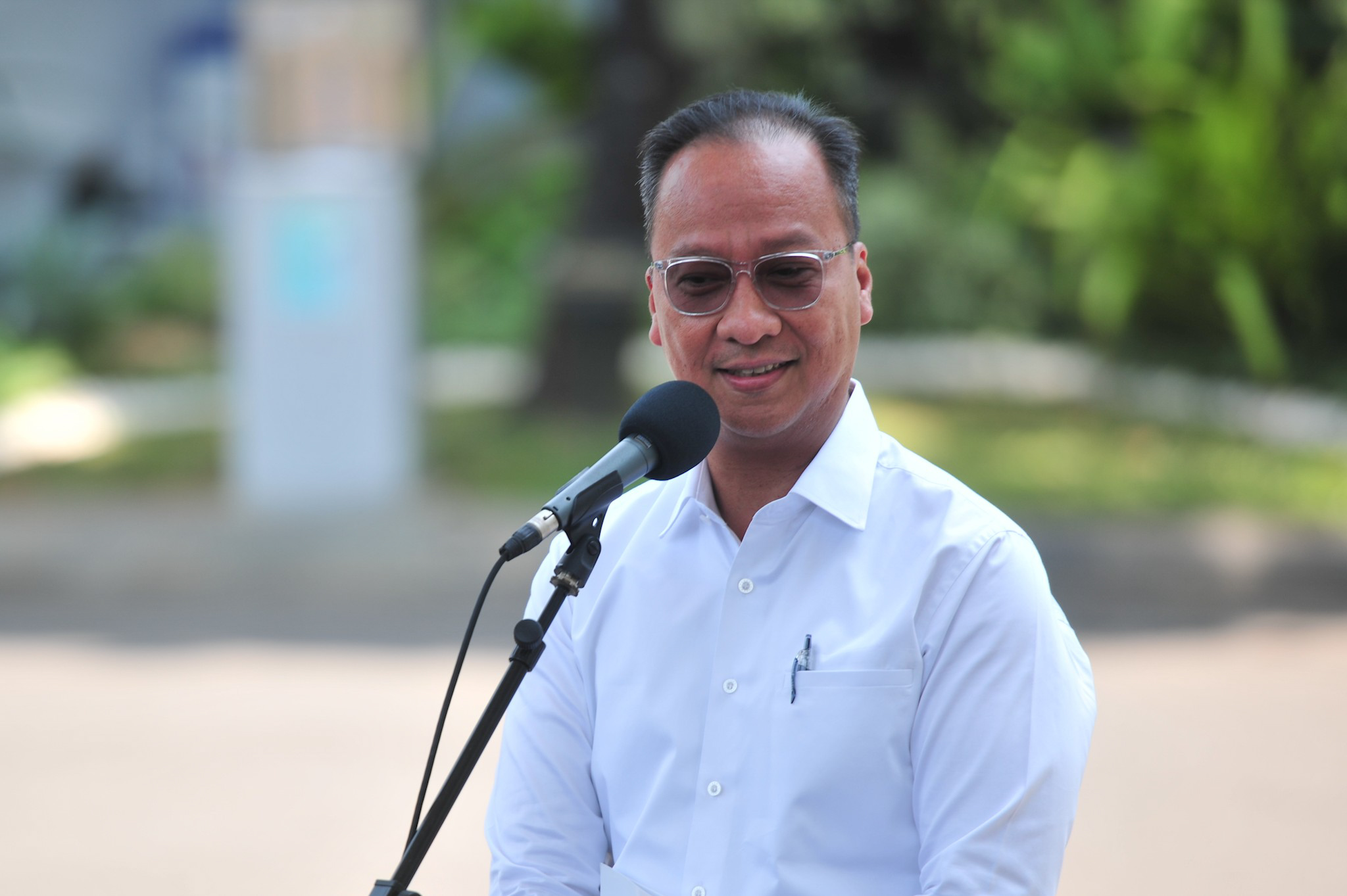
Indonesia’s industrial sector investment reaches 19.4 bln USD in 2020
Indonesia
•
26 Jan 2021

Number of sharia investors in Indonesia increases by 1,500 percent in five years
Indonesia
•
16 Nov 2020

Berita Terbaru
Opinion – An Asia-Pacific Community: Our shared choice for regional prosperity
Indonesia
•
09 Sep 2026

China's EV charging infrastructure expands rapidly in first seven months
Indonesia
•
26 Aug 2026

China-Ecuador ties get a boost as Xi Jinping pushes Belt and road, AI Cooperation
Indonesia
•
19 Aug 2026

Hainan steps up efforts to build world-class tourism, consumption destination
Indonesia
•
16 Aug 2026