Muslim scholar emphasizes true meaning of parenting is educating oneself to become parents

18 May 2026
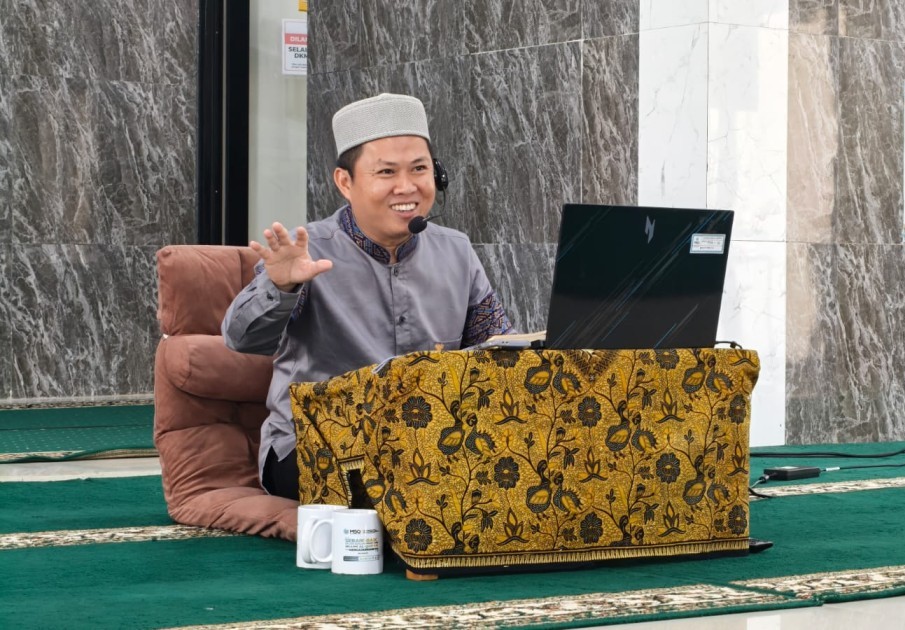
The Ma'had Sabilul Qur'an's (MSQ) Head of Human Resources and Da'wah, Agus Fadilla Sandi, delivered a lecture at a seminar entitled 'A Thorough Analysis of the Principles & Methods of Raising Children from an Islamic Perspective', held by Ma'had Sabilul Qur'an (MSQ) in Indonesia’s Bogor district, West Java province on Sunday (May 17, 2026). (Indonesia Window)
Parents who practice parenting are also educating themselves to become role models for their families.
Bogor, W Java (Indonesia Window) – The term ‘parenting’ emerged in the 20th century and has become increasingly popular as the science of child and family psychology has rapidly developed, especially in the Western world.
Previously a natural obligation commonly performed by fathers and mothers, parenting is now seen as a science and skill that continues to develop and must be honed.
Experts define parenting as the process of raising, nurturing, and guiding a child from infancy to adulthood independently. This extends beyond biological bonds to encompass the actions, responsibilities, and emotional support necessary to foster a child's physical, cognitive, social, and emotional development.
This definition places a heavy burden on parents, as they bear the responsibility of shaping the character of a generation.
In a children's education seminar entitled "A Thorough Analysis of the Principles & Methods of Raising Children from an Islamic Perspective," held by Ma'had Sabilul Qur'an (MSQ) in Indonesia’s Bogor district, West Java province on Sunday (May 17), Ustadz (Ust.) Agus Fadilla Sandi proposed a different definition of parenting.
"Parenting is actually the process of educating oneself to become a parent," he said, emphasizing that parents who engage in parenting are also educating themselves to become role models for their families.
According to the MSQ's Head of Human Resources and Da'wah, no one plays a greater role in educating children to become good generations than parents who understand Islamic faith and law.
"Children are one of the greatest gifts from Allah ﷻ, so educating them is a heavy responsibility, and therefore a form of worship," Ustadz Agus Fadilla said.
In the seminar, he proposed five characteristics that parents must possess in raising their children: sincerity, piety, a continuous improvement in religious knowledge and parenting skills, politeness and forgiveness, and responsibility.
According to Ustadz Agus Fadilla, parents must raise their children with the intention of seeking Allah's pleasure, not merely to satisfy their pride.
He further emphasized that parents must be role models because children are expected to inevitably imitate those closest to them.
Therefore, parents should also continue to learn and update their knowledge, especially in the areas of parenting and child education. Moreover, parents now face new challenges in raising their families in the digital age with the presence of social media and the highly open flow of information.
Parents must also be polite and forgiving in the process of raising their children. Children's mistakes should be addressed with openness, not with excessive anger, verbal abuse, or physical violence. A gentle and polite attitude is expected to make children feel safe and able to learn from their mistakes.
Ustadz Agus Fadilla underscored that because children are entrusted to Allah and would be held accountable in the afterlife, parents must strive to provide the best possible attention, prayers, and guidance for the safety of their children in this world and the hereafter.
In his presentation, he shared several parenting stories from the prophets and righteous people, as revealed by Allah in the Noble Quran.
"From the Prophet Ibrahim (peace be upon him) we learn that a father must have a vision and a dream that he passes on to his children. Prophet Ibrahim (peace be upon him) realized his dream of building the city of Mecca with his son, Prophet Ismail (peace be upon him)," Ustadz Agus Fadilla noted.
Meanwhile, Prophet Ya’kub (peace be upon him) asked his son, "What will you worship after I die?" "This demonstrates the obligation of parents to uphold their children's Islamic faith and beliefs, especially in today's rapidly changing times," he said.
Reporting by Indonesia Window
Bagikan

Komentar
Berita Terkait
Muslim scholar emphasizes true meaning of parenting is educating oneself to become parents
Indonesia
•
18 May 2026
Eight million liters of Zamzam distributed to umrah pilgrims during pandemic
Indonesia
•
03 Feb 2021
Zamzam well never dries for 5,000 years
Indonesia
•
27 Jul 2020
Ramadan 1447H – Ways to change destiny on night of Laylat al-Qadr
Indonesia
•
02 Mar 2026
Berita Terbaru
Ramadan 1447H – Ways to change destiny on night of Laylat al-Qadr
Indonesia
•
02 Mar 2026
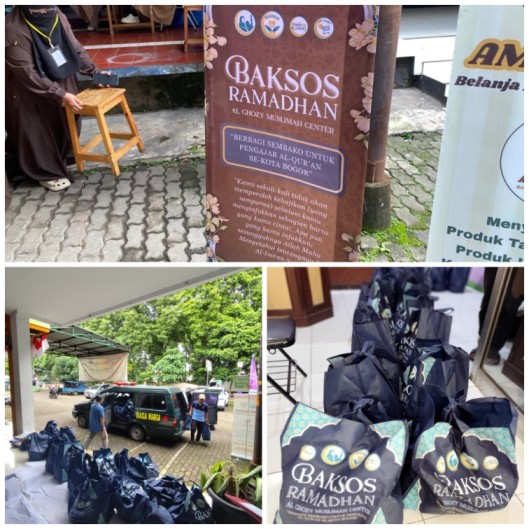
Ramadan 1447 H – Al-Ghozy Muslimah Center distributes 1,150 food packages to Quranic practitioners
Indonesia
•
22 Feb 2026
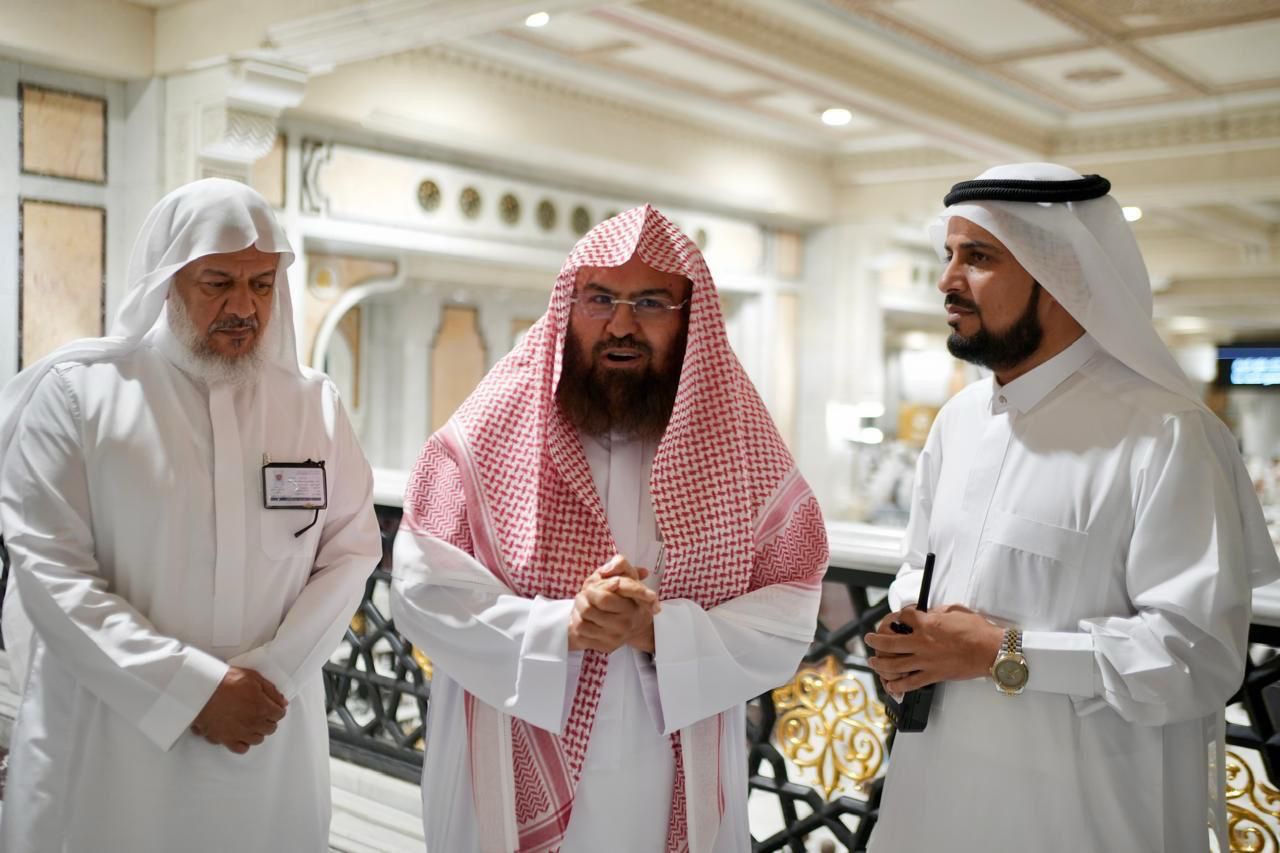
Sheikh Sudais launches ‘Awareness and Enrichment’ Quran exhibition during Hajj
Indonesia
•
11 Jun 2025
Don’t stop memorizing Quran, here 6 steps to keep you in track
Indonesia
•
07 Aug 2022