Indonesia-Mideast trade unaffected by Iran-Israel war: Bizman

12 July 2025

Chairman of the Middle East Bilateral Committee of the Indonesian Chamber of Commerce and Industry (Kadin), Mohamad Bawazeer. (Photo: Special)
Middle Eastern countries remain Indonesia's good markets during and after the Iran-Israel war, despite temporary flight delays.
Jakarta (Indonesia Windows) - Indonesia’s trade with Middle Eastern countries has remained smooth during and after the Iran-Israel war, despite temporary flight delays, including disruptions to the return of Hajj pilgrims."However, the United States' post-conflict import tariff policy reaching 32 percent considered far more damaging to Indonesian businesses, with a potential additional 10 percent hike due to Indonesia’s permanent membership in the BRICS bloc," Mohamad Bawazeer, Chairman of the Middle East Bilateral Committee of the Indonesian Chamber of Commerce and Industry (locally known as Kadin) told reporters here on Saturday.Bawazeer, who also serves as the Supervisory Chair of the Indonesian Muslim Journalists Brotherhood (locally known as its abbreviation PJMI), emphasized that the Iran-Israel conflict had little direct impact on Indonesia’s maritime commodity trade with the Middle East.“What really hit our businesses hard is the imposition of a 32 percent import tariff by the U.S. after the war. There is also a potential additional 10 percent because Indonesia is now a permanent member of the BRICS trading bloc," he said.BRICS is an intergovermental organization consisting of Brazil, Russia, India, China, South Africa, Egypt, Ethiopia, Indonesia, Iran and the United Arab Emirates.According to him, after the Iran-Israel war, the U.S. imposed high tariffs on Indonesia and several other countries, while Middle Eastern countries continued to benefit from low tariffs—around 10 percent the same as before the conflict.With the possible 10 percent BRICS-related hike, Indonesia could face a 42 percent tariff, creating a significant 32 percent gap that burdens exporters.“This puts Indonesia at a serious disadvantage. Not only does it affect our exports, but also encourages businesses and investors to relocate to countries where the cost of exporting to the U.S. is lower,” Bawazeer added.He further said while the war triggered temporary spikes in oil prices—initially predicted to hit 100 US dollars per barrel—this increase did not materialize significantly.The war’s more immediate effects were seen in logistical disruptions, such as flight delays, but sea-based commodity trade remained largely unaffected, he noted.“That’s what we need to focus on—if this tariff policy is the result of the U.S./Israel war against Iran, the direct impact is minimal. Slight, but not significant. What’s far more concerning is the U.S. imposing a mandatory 32 percent tariff (plus 10 percent for BRICS membership). This will make investors consider relocating their factories to Middle Eastern countries,” he said.To address this issue, Bawazeer urged the government to foster a more open and business-friendly investment climate, especially for affected entrepreneurs.He highlighted the importance of offering incentives, reducing tax burdens, and cutting bureaucratic red tape to maintain business certainty.“In other words, we should not be hampered by bureaucracy or counterproductive policies. This is a crucial point for the government to consider—businesses need certainty and a stable investment environment,” he added.Bawazeer also encouraged both entrepreneurs and the government to diversify export markets, including expanding to Europe and Indonesia’s traditional trading partners, in order to reduce dependency on the U.S.Reporting by Indonesia WindowBagikan

Komentar
Berita Terkait

Indonesia's share of Internet of Things 444 trillion rupiah by 2022
Indonesia
•
22 Sep 2020

Indonesia to develop large-scale hydropower for industry sector
Indonesia
•
26 Sep 2020
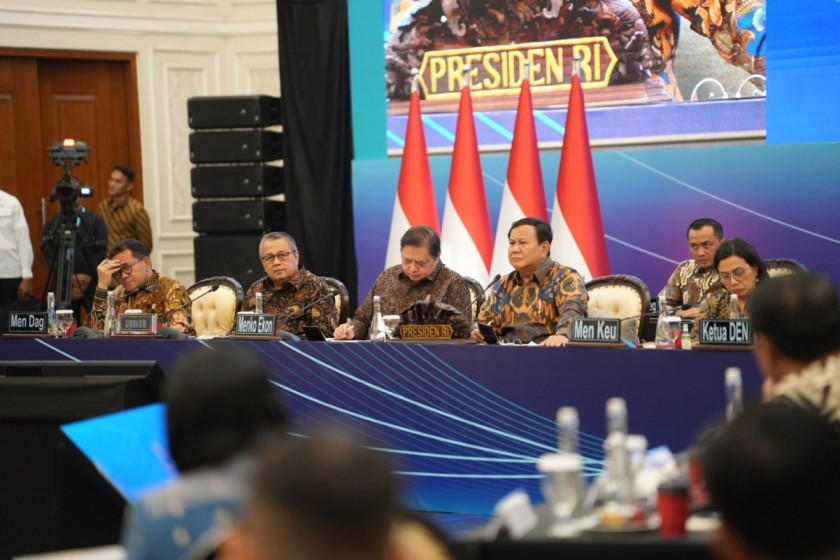
Indonesian economic development expected to ‘stand on its own feet’ in face of US reciprocal tariffs
Indonesia
•
08 Apr 2025

Indonesia has great potential to develop electric vehicle ecosystem
Indonesia
•
02 Dec 2022


Berita Terbaru
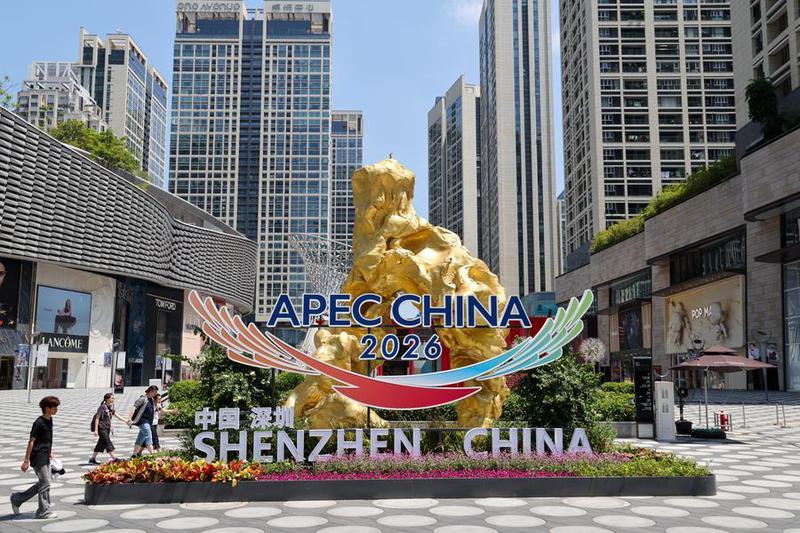
Opinion – An Asia-Pacific Community: Our shared choice for regional prosperity
Indonesia
•
09 Sep 2026

China's EV charging infrastructure expands rapidly in first seven months
Indonesia
•
26 Aug 2026
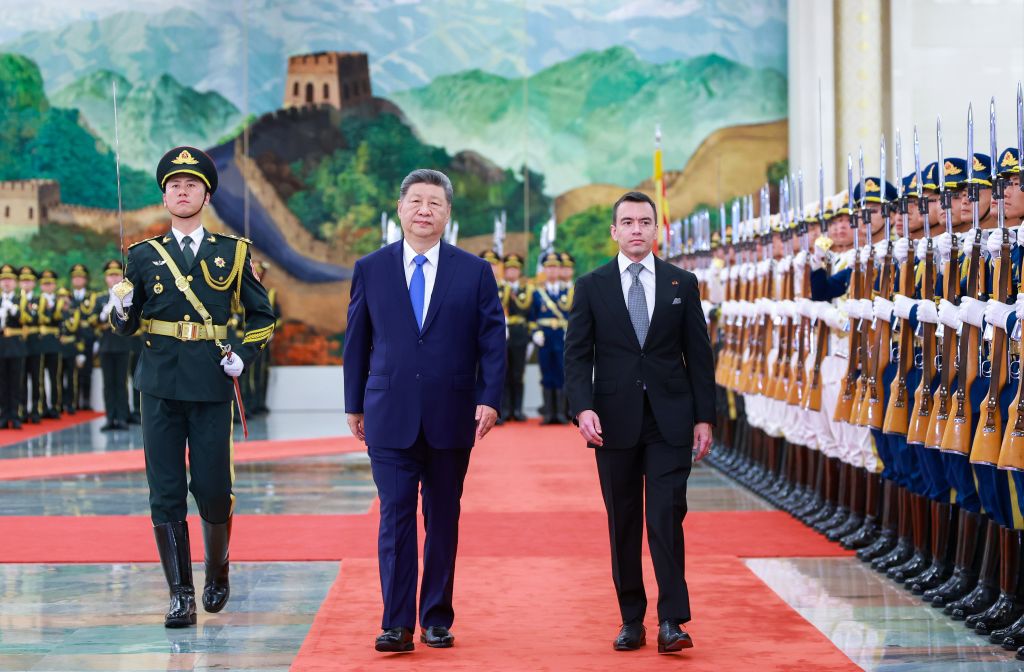
China-Ecuador ties get a boost as Xi Jinping pushes Belt and road, AI Cooperation
Indonesia
•
19 Aug 2026
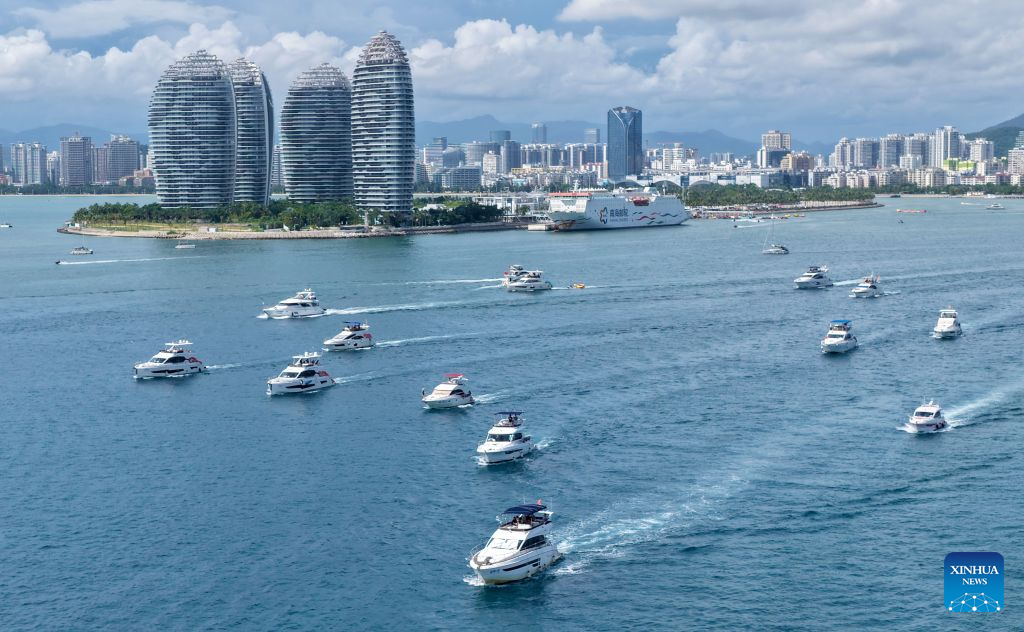
Hainan steps up efforts to build world-class tourism, consumption destination
Indonesia
•
16 Aug 2026