Advancing health equity and promoting a healthier Taiwan on the 30th anniversary of Taiwan’s National Health Insurance system

30 April 2025
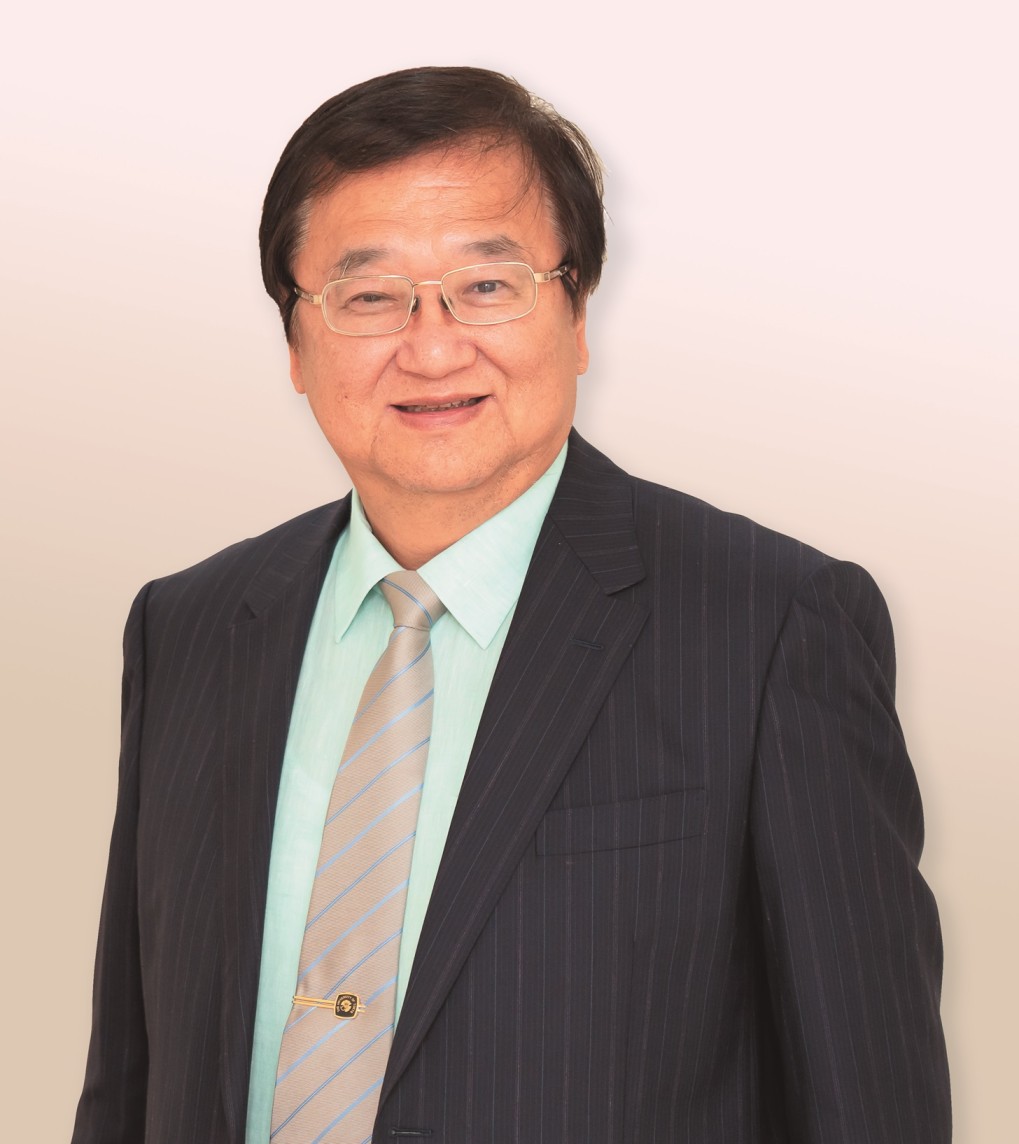
Minister of Health and Welfare of Republic Of China (Taiwan), Dr. Chiu Tai-yuan. (TETO)
 In 2008, Taiwan introduced the Health Technology Assessment to facilitate evidence-based policymaking. It also accelerated the inclusion of new treatments under the NHI system. For example, in 2023, gene and cell therapies were covered for the first time, marking a new era for precision medicine and offering patients enhanced treatment options. Taiwan also continues to leverage innovative technologies to improve the working environment for the medical workforce and to bolster the overall quality of medical service.What’s more, despite facing political challenges, Taiwan has continuously participated in international health affairs and has been dedicated to supporting the global health system. During the COVID-19 pandemic, Taiwan played a crucial role in sharing supplies, strategies, and experiences, and proved to be a reliable partner of countries worldwide. Separately, Taiwan’s success story in implementing universal health coverage offers valuable lessons for countries worldwide. As we continue to share our experiences in universal coverage, financial management, and digital health, we hope to facilitate other nations in reaching WHO’s goal of universal health coverage.In this rapidly changing era, health challenges transcend borders, and global cooperation has become essential to addressing various health crises. However, Taiwan has been prevented from participating in WHO—the foremost global health cooperation body—due to China’s continued distortion of United Nations General Assembly Resolution 2758 and World Health Assembly Resolution 25.1. Neither of these resolutions mentions Taiwan or declares that Taiwan is part of the People’s Republic of China. Therefore, these resolutions have no power to confer upon the PRC any right to represent Taiwan in WHO.In light of this, and to uphold the core UN values of inclusiveness and universality, we urge WHO and all relevant parties to recognize Taiwan’s considerable contributions to global public health and the human right to health. It is imperative that WHO adopt a more open-minded approach and demonstrate flexibility, adhering to the principles of professionalism and inclusivity. Taiwan should be included, as a matter of pragmatism, in the World Health Assembly and all WHO meetings, activities, and mechanisms, particularly those concerned with the WHO pandemic agreement. Taiwan earnestly hopes to work with the international community to create a future of borderless healthcare that realizes the fundamental human right to health stipulated in the WHO Constitution and the vision of leaving no one behind espoused in the United Nations Sustainable Development Goals.EndAuthor: Minister of Health and Welfare of Republic Of China (Taiwan), Dr. Chiu Tai-yuan
Bagikan

Komentar
Berita Terkait

Sri Sultan invites students to make demographic bonus as opportunity
Indonesia
•
10 Oct 2019

Old Dutch tunnel found in Indonesia’s Klaten district
Indonesia
•
09 Sep 2021
Opinion – Digital-driven healthcare transformation: a new chapter of holistic care in Taiwan
Indonesia
•
19 May 2026

Hajj1441 - Number of hajj pilgrims this year no more than 10,000
Indonesia
•
23 Jun 2020


Berita Terbaru
Feature – From barefoot to high-tech: How Chinese doctors shaped a healthier nation
Indonesia
•
23 Aug 2026

Feature – Paddling, camping, birdwatching: How a greener China reshapes urban getaways, lifestyles
Indonesia
•
17 Aug 2026

The rain, the caves and the quest to preserve Mogao Grottoes
Indonesia
•
16 Aug 2026
China aims to elevate basic education with focus on virtue, health and equity
Indonesia
•
29 Jul 2026